Long, Russell B.
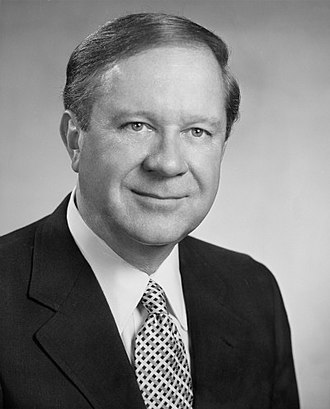
Russell B. Long, a Democratic Senator from Louisiana, was the influential Chairman of the Senate Finance Committee for the entirety of the Nixon administration. In this role during the taping period, he was a central figure in shaping legislation related to the administration's economic and tax policies. While he supported some of President Nixon's proposals, he was a vocal opponent of the administration's Family Assistance Plan for welfare reform. Following the Watergate break-in, Long supported the creation of a Senate select committee to investigate and co-chaired the joint committee that determined President Nixon owed back taxes.
President Nixon met with Senator Russell Long, administration officials, and congressional representatives to strategize on the advancement of the President’s welfare and health care legislation. The discussion focused on overcoming opposition to the administration's health bill, particularly the competing proposal from Senator Edward Kennedy, while emphasizing the need for congressional education and potential compromises to secure passage. Additionally, the President and Senator Long discussed refining welfare reform, specifically focusing on work incentives, child support enforcement, and addressing public concerns regarding welfare dependency.
President Nixon convened a meeting with Vice President Agnew and a bipartisan group of Congressional leaders to discuss the national economy and his administration's "New Economic Policy." Key topics included the wage-price freeze, investment tax credits, the international monetary situation, and an import surcharge. The discussion focused on the necessity of Congressional cooperation for implementing these measures and their potential impact on inflation, trade, and specific industries like automobiles.
President Nixon met with bipartisan Congressional leadership to outline his post-freeze economic program and announce plans for an upcoming summit in Moscow. He detailed the formation of a tripartite Pay Board, a Price Commission, and a committee on interest and dividends to maintain economic stability through a mix of voluntary cooperation and necessary sanctions. Additionally, the President briefed the leaders on the status of international monetary negotiations and his strategic approach to the May 1972 summit with Soviet leadership regarding arms control and trade.
President Nixon called Senator Russell B. Long primarily to extend birthday greetings and encourage him to take the evening off from his legislative work. During the conversation, Long pivoted to a proposal he was advancing in committee regarding tax deductions for domestic help, which he argued would incentivize higher wages for low-income workers and potentially reduce welfare rolls. Nixon expressed interest in the potential economic and political benefits of the plan, requesting that the details be reviewed further.
President Nixon met with Henry Kissinger, Alexander Haig, and Robert Finch to coordinate administrative strategy, specifically focusing on Finch's upcoming Latin American trip and the management of sensitive foreign policy issues. The group discussed diplomatic messaging for Latin American heads of state, the handling of the U.S. import surcharge, and the importance of military assistance programs. Additionally, the President reviewed his upcoming meeting with Indira Gandhi regarding the India-Pakistan crisis and evaluated political developments, including the impact of recent local election results on his administration's economic agenda.
President Nixon met with a bipartisan group of Congressional leaders from the House Ways and Means Committee and the Senate Finance Committee to mark the signing of the Revenue Act of 1971. The President utilized the ceremony to praise the legislators for their cooperation in passing a responsible tax bill, contrasting it with fears that the measure would become an unmanageable 'Christmas tree' of amendments. The discussion highlighted the economic benefits of the legislation, particularly its role in job creation and the stimulation of the automobile industry following the administration's new economic program initiated in August.
President Nixon met with Senator Russell Long, Governor Edwin Edwards and his family, and other staff members in the Oval Office. The meeting included a formal photograph session and discussions about upcoming Senate votes, particularly on national defense and foreign policy, with an emphasis on Southern Democratic support. They also discussed presidential gifts, including cuff links and ashtrays, and a potential road construction project in Louisiana.
President Nixon met with Vice President Agnew and a broad bipartisan group of Congressional leaders to outline the administration's 1974 federal budget and economic strategy. Economic advisors Herbert Stein and George Shultz presented data highlighting a strong 1972 economy and stressed the necessity of fiscal discipline to curb inflation and maintain growth. The President urged Congress to support his proposed spending ceilings, emphasizing the need to avoid the inflationary deficits experienced during the late 1960s, while briefly acknowledging progress toward a Vietnam peace settlement.
President Nixon met with bipartisan Congressional leaders, cabinet members, and staff to outline the administration’s strategy for the 1973 and 1974 federal budgets, emphasizing a commitment to avoiding tax increases. The President defended his use of impoundment to control spending and curb inflation, arguing that Congress must share the responsibility of fiscal discipline or face the political consequences of tax hikes. The discussion also addressed the economic impact of the Vietnam cease-fire, defense budget priorities, and the need for greater cooperation between the executive and legislative branches to manage spending levels.
President Nixon met with Senator Russell Long, John Ehrlichman, and George Shultz to coordinate administration strategy regarding welfare reform, tax policy, and trade legislation. The discussion focused on securing Congressional support for the administration's agenda while maneuvering around bureaucratic interference and the influence of partisan groups like Common Cause. Nixon emphasized the need for a collaborative approach with Congressional leadership, particularly regarding trade negotiations and energy policy, while also reflecting on the importance of maintaining strength and respect in foreign policy.
President Nixon met with Vice President Agnew and a bipartisan group of Congressional leaders to outline the administration's proposed foreign trade legislation. The discussion focused on securing presidential authority to negotiate trade agreements, implementing safeguards for domestic industries, and establishing pension and unemployment insurance reforms. Nixon emphasized the necessity of shifting away from a 'one-way street' trade policy to protect American workers and leverage better terms with international partners, while urging caution against attaching human rights conditions to Most Favored Nation (MFN) status for the Soviet Union to avoid jeopardizing broader diplomatic and arms control initiatives.
President Nixon met with Vice President Agnew, cabinet members, and a bipartisan group of Congressional leaders to announce an upcoming economic policy address and discuss the administration's new strategy to combat inflation. The President detailed a 60-day price freeze—excluding wages and raw agricultural products—and sought legislative assistance regarding export controls on food and gasoline supply allocations. Additionally, the President arranged for key Congressional leaders to receive ongoing briefings from administration officials during the upcoming summit with Soviet leader Leonid Brezhnev to ensure better oversight of the resulting agreements.