Cox, Edward R. F.
Edward R. F. Cox was primarily known during the Nixon administration as the son-in-law of President Richard Nixon, having married his daughter Tricia in a White House Rose Garden ceremony in June 1971. [2, 12] While not holding a formal, salaried position within the administration during the taping period, he was a supportive family member and was involved in his father-in-law's political life. [9] He actively campaigned for Nixon in 1968 and served as a "family surrogate" during the 1972 presidential campaign. [5, 8]
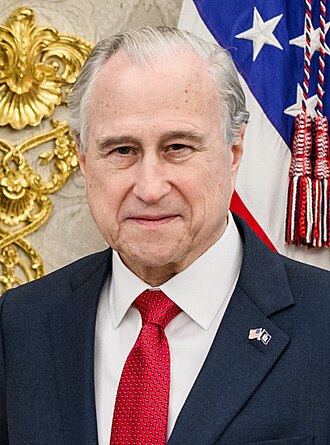
Edward R. F. Cox placed a telephone call through the White House operator to an unidentified party. Due to the brevity of the unredacted segment and the withdrawal of the primary content under personal returnable status, no substantive policy or administrative discussions are preserved in the available record. The conversation represents a routine attempt to establish contact with an unknown individual.
President Nixon, Pat Nixon, and Tricia Nixon Cox discuss logistics and scheduling surrounding family plans, including a potential visit to Camp David on June 5, 1971. The participants review the success of a recent diplomatic reception held for Tricia and coordinate the involvement of Fina Sanchez. Additionally, the conversation touches upon routine administrative matters such as the maintenance of the White House driveway.
Tricia Nixon Cox initiated a series of brief administrative coordination calls involving Edward R. F. Cox, Ray M. Hare, and the White House operator. These communications were primarily focused on logistics, including reaching out to the chief usher’s office and making arrangements regarding a Sony portable tape recorder. The discussion also involved coordinating musical selections provided by the Army string ensemble for a specific event location.
President Nixon met with his daughter, Tricia Nixon Cox, and his son-in-law, Edward R. F. Cox, to review various personal mementos displayed in his office. The discussion focused on items from his time as Vice President, including a collection of gavels and memorabilia related to New York and baseball. This brief informal gathering served as a tour of the President's personal collection rather than a formal policy session.
Edward R. F. Cox and White House photographer Oliver F. Atkins discussed requests for wedding photographs following the ceremony of Tricia Nixon Cox and Edward Cox. The conversation focused on procuring different image formats for the personal collection of First Lady Pat Nixon. No significant policy decisions were made, as the dialogue was limited to the coordination of these personal photographic mementos.
President Nixon held a brief telephone conversation with his daughter, Tricia Nixon Cox, and his son-in-law, Edward R.F. Cox. The discussion primarily involved personal family matters and informal exchanges. No significant policy decisions or official government business were addressed during this call.
President Nixon met with family members and senior aide H. R. Haldeman to coordinate the First Family’s 1972 campaign appearances and media strategy. The discussion centered on maximizing television exposure through talk shows and public service events, with a focus on targeting key demographics such as blue-collar and Catholic voters. Nixon emphasized the importance of projecting warmth and compassion, directed the staff to prepare better briefing materials for the family, and finalized plans for upcoming diplomatic trips and social events at the White House.
President Nixon and his senior staff, including H.R. Haldeman, met to evaluate the public and political reaction to the President's recent televised speech regarding the mining of North Vietnamese harbors. The discussion focused on maintaining a firm, "hawkish" stance to emphasize the administration's resolve and ensuring that supporters mobilize to counteract potential criticism from Congress and the media. Nixon directed his team to maximize public displays of support and address logistical issues, such as jammed Western Union lines, to ensure his message of "iron determination" remained the dominant narrative.
President Nixon held a brief, informal telephone conversation with his daughter, Tricia Nixon Cox, and her husband, Edward R. F. Cox. The discussion served as a personal check-in between family members late in the evening. No substantive policy matters or official administrative decisions were recorded during this brief exchange.
Edward R. F. Cox, President Nixon's son-in-law, contacted the White House operator to request a telephone connection to John Colby. The conversation was limited to this administrative request for assistance in facilitating communication with Colby. No further substantive discussions occurred during this brief exchange.
Edward R. F. Cox and John Colby engaged in a telephone conversation regarding personal matters. The majority of the recording has been withheld from the public record due to its classification as a personal returnable item. Consequently, no substantive policy decisions or administrative actions are available for historical review.
President Nixon held a brief telephone conversation with his daughter, Tricia Nixon Cox, and his son-in-law, Edward R. F. Cox. The discussion was personal in nature and lacked any substantive policy or administrative focus. No official decisions or significant political developments resulted from this brief familial exchange.
President Nixon held a brief, informal meeting in the Old Executive Office Building with his daughter, Tricia Nixon Cox, and her husband, Edward R. F. Cox. The discussion served as a personal social interaction between the President and family members. No formal policy matters or significant administrative decisions were recorded during this brief encounter.
President Nixon and H. R. Haldeman met to discuss political strategy and administration initiatives, including the transition to a post-Vietnam economy and foreign policy successes. Much of the conversation focused on managing the political fallout from the Watergate scandal, specifically addressing the legal and public relations implications of the Dwayne Andreas campaign contribution and potential testimony from Jeb Stuart Magruder. Nixon and Haldeman also reviewed the President's upcoming schedule, including the Republican National Convention and strategies for handling media questions regarding Vietnam and campaign finances.
Edward R. F. Cox and Clarence D. Palmby engaged in a telephone conversation originating from the Camp David Study Table. The interaction involved coordination through the White House operator to facilitate communication between the participants. Given the presence of withdrawn material and the administrative nature of the call, no substantive policy discussions or significant presidential decisions were recorded in the available transcript.
Edward R. F. Cox engaged in a brief exchange with a Camp David operator to facilitate a telephone conversation with an individual identified as Kent. The session primarily functioned as a logistical communication link managed through the Camp David internal telephone infrastructure. No substantive policy discussions or administrative decisions were recorded, as the interaction served solely to connect the participants.
Edward R. F. Cox consulted with Allen C. Hall of the First Family Advance Office to coordinate and refine his upcoming campaign schedule for New York. The two discussed logistical details for various appearances, including visits to corporate headquarters, high schools, and Committee to Re-elect the President (CRP) campaign offices. They evaluated the media potential versus the organizational value of these events to maximize outreach to voters and supporters in the region.
Edward R. F. Cox engaged with the Camp David operator and Allen C. Hall at the Aspen Lodge to coordinate logistics and communications during his stay. These brief exchanges facilitated essential administrative support for Cox while at the retreat. No substantive policy discussions were recorded during these interactions.
Edward R. F. Cox, President Nixon's son-in-law, contacted the White House operator to facilitate a communication. The brief interaction consisted of a routine administrative exchange regarding the routing of a call. No substantive policy discussions or political decisions were recorded during this brief connection.
Edward R.F. Cox and Anne C.B. (Finch) Cox engaged in a private telephone conversation lasting approximately 17 minutes. The content of the call is classified as a personal, returnable communication and has been withheld from the public record. No substantive policy matters or administrative developments are associated with this interaction.
President Nixon met with his daughter Julie Nixon Eisenhower and his daughter and son-in-law, Tricia and Edward Cox, for a brief five-minute visit at the Old Executive Office Building. The recording of this encounter is currently restricted as a withdrawn personal item. Consequently, no substantive discussions or official developments are available for historical review.
President Nixon speaks with Tricia Nixon Cox and Edward R. F. Cox to receive a firsthand account of the performance by the Shenyang Acrobatic Troupe in Washington, D.C. Tricia describes the enthusiastic reception, noting that the audience remained for a lengthy standing ovation despite the presence of heavy security measures. The discussion emphasizes the success of this cultural exchange as a positive tool for U.S.-China relations.
President Nixon and his daughter, Tricia Nixon Cox, connected via telephone to facilitate a conversation with Tricia's husband, Edward Cox. During the call, it was noted that the President had been receiving numerous communications from high-profile figures, including Cabinet members, Billy Graham, and Governor Ronald Reagan, in the wake of his televised address regarding the Watergate scandal. The interaction served primarily to coordinate family communication during a period of intense political pressure.