Lincoln, George A. (Gen.)
George A. Lincoln served as the Director of the Office of Emergency Preparedness for the duration of the Nixon taping period. Appointed by President Nixon, he led the federal response to major domestic crises, including Hurricane Camille in 1969. During the taping period, Lincoln was notably responsible for overseeing the administration's 90-day wage-price freeze in August 1971 to combat inflation. His tenure ended when the Office of Emergency Preparedness was abolished by a reorganization plan in mid-1973.
President Nixon and the National Security Council met to evaluate U.S. policy options regarding the People's Republic of China's potential admission to the United Nations and the status of Taiwan. Attendees debated the risks of a potential diplomatic defeat, weighing the benefits of "dual representation" versus maintaining the current, increasingly untenable policy of excluding the PRC. The President emphasized the need to manage domestic American public opinion carefully while assessing tactical shifts, ultimately seeking a strategy that minimizes political fallout while addressing the evolving geopolitical reality of China's status.
President Nixon and a wide-ranging group of Cabinet members, advisors, and Congressional representatives met to discuss the growing national energy crisis and the necessity of transitioning to nuclear power. AEC Chairman Glenn Seaborg and other experts detailed the technological, environmental, and economic advantages of the liquid metal fast breeder reactor, emphasizing its ability to maximize fuel efficiency and provide long-term, pollution-free energy. The participants concluded that a strong national commitment, including significant federal funding and industry collaboration, is essential to accelerate the development of demonstration reactors and ensure future energy independence.
President Nixon met with key staff and advisors, including H. R. Haldeman, Henry Kissinger, and Paul McCracken, to discuss administrative strategy, economic messaging, and foreign policy. The President emphasized the need for a more confident and assertive presentation of his administration's record, particularly concerning the economic recovery and Vietnam. They also addressed the strategic communication surrounding upcoming trade initiatives with China and the importance of Henry Cabot Lodge's potential visit to Vietnam to manage regional political stability. Throughout the meeting, Nixon underscored the necessity of maintaining a firm posture against political opposition while attempting to shape public perception regarding his initiatives.
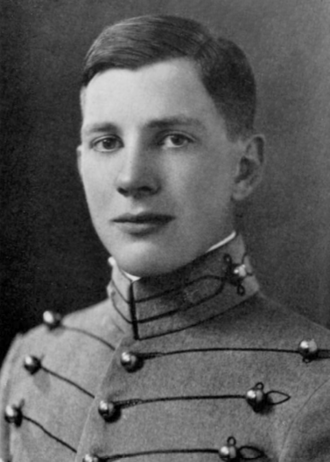
President Nixon and General George A. Lincoln discuss the federal response to a severe drought in Texas, weighing the implications of a full disaster declaration versus narrower agricultural relief. Nixon expresses concern that a full declaration would trigger unmanageable unemployment claims and complicate the status of migratory workers. Ultimately, Nixon directs Lincoln to have Secretary of Agriculture Clifford Hardin coordinate with Senator John Tower, prioritizing a swift, politically advantageous release of aid information.
President Nixon held a broad-ranging meeting with H. R. Haldeman, John Ehrlichman, George Shultz, Henry Kissinger, and John Connally to discuss domestic and foreign policy priorities, including economic strategy, upcoming personnel changes, and bureaucratic management. The participants reviewed positive retail sales and GNP growth, evaluated the political viability of energy and environmental proposals, and strategized on handling potential civil service and diplomatic appointments. A significant portion of the discussion focused on managing the administration's political image, navigating legislative obstacles in Congress, and addressing the status of long-serving officials like J. Edgar Hoover.
President Nixon facilitates a discussion between Treasury Secretary John B. Connally and General George A. Lincoln regarding urgent federal assistance for a severe drought affecting Texas. Connally emphasizes the dire conditions and advocates for a government-subsidized hay transportation program, citing its past success and political necessity to prevent ranchers from having to liquidate their herds. While Lincoln acknowledges concerns about potential waste and administrative corruption associated with past hay programs, the parties discuss the need for swift, decisive action to support the agricultural sector and ensure the administration receives credit for timely intervention.
President Nixon met with Secretary of Agriculture Clifford Hardin, General George A. Lincoln, and Peter Flanigan to coordinate a strategic response to a severe drought in Texas and Oklahoma. The President emphasized that the administration must appear highly responsive and concerned to mitigate political fallout, even if a full disaster declaration was not yet legally or fiscally advisable. Nixon directed the team to facilitate a high-profile visit to the region, including securing appropriate aircraft and media presence, to reassure farmers and political allies like John Connally and John Tower that the administration was proactively exhausting all available relief channels.
President Nixon met with his National Security Council to discuss strategy for Mutual and Balanced Force Reduction (MBFR) negotiations with the Soviet Union, emphasizing the importance of verification and maintaining allied unity. The President and his advisors examined how to use these potential force reductions to counter domestic congressional pressure for unilateral troop withdrawals. Additionally, the group addressed the ongoing crisis surrounding the publication of the Pentagon Papers, with Nixon expressing a need to strengthen penalties for leaking classified information and to defend the executive branch's ability to maintain secure communications.
President Nixon met with United Transportation Union leaders and railroad management representatives to address the economic crisis caused by an ongoing railroad strike. Nixon emphasized his administration's preference for private-sector collective bargaining over government intervention, warning that continued labor stoppages could provoke negative public and Congressional reactions that would ultimately damage the industry. The discussion centered on the need for both parties to reach an equitable settlement quickly to protect the economy, with the President urging management to streamline their decision-making process to facilitate a resolution.
President Nixon and members of the National Security Council met to review the Fiscal Year 1973 defense budget and evaluate U.S. strategic capabilities relative to the USSR. The discussion centered on balancing budgetary constraints with the requirements of the Nixon Doctrine, specifically regarding troop deployments in Europe, East Asia, and the need for flexible "swing forces." The participants assessed the modernization of strategic forces, naval requirements, and the political implications of U.S. military presence abroad in the context of ongoing diplomatic negotiations with China and the Soviet Union.
President Nixon convened a large meeting with Vice President Agnew and his Cabinet to discuss the national economy and the "New Economic Policy" he had announced the previous day. Key topics included the wage-price freeze, import surcharges, tax relief, budget cuts, and the convertibility of the dollar. The administration sought Cabinet support for these initiatives and discussed their potential impact on international trade and domestic employment.
President Nixon met with economic advisors, including George Shultz and Paul McCracken, to discuss the implementation and public perception of the ongoing 90-day wage and price freeze. The group evaluated the challenges of enforcing economic policies across various sectors—notably teachers and professional athletes—while emphasizing the need for productivity-based bargaining and management strategies for the transition to 'Phase II.' Nixon praised the staff's morale and dedication, highlighting the importance of avoiding a permanent bureaucratic 'straitjacket' while ensuring the economy remained stable leading up to the November deadline.
President Nixon met with the Cost of Living Council to assess the implementation and public reception of the 90-day wage-price freeze initiated on August 15, 1971. The council members, including John Connally, George Shultz, and Arthur Burns, reported on the effectiveness of enforcement efforts, current compliance levels, and the complexities of handling exemption requests. The discussion shifted toward strategic planning for Phase II, emphasizing the need for sustainable economic policies, public leadership, and the critical role of securing support from business and labor leaders before the freeze's conclusion.
President Nixon, Pat Nixon, and the Cabinet met with their spouses to discuss the implementation and public perception of the administration’s New Economic Policy. Secretary of the Treasury John Connally led a comprehensive briefing on the wage-price freeze, tax reforms, and international monetary adjustments aimed at curbing inflation. The discussion emphasized the necessity of these economic measures for restoring national growth, managing federal expenditures, and building public and congressional support for the administration's program.
President Nixon met with the National Security Council and senior advisors to conduct an extensive assessment of the deteriorating political and military situation in South Vietnam, focusing on the stability of the Nguyen Van Thieu administration and the threat posed by opposition factions and communist forces. The discussion covered strategic military planning for the upcoming dry season in Cambodia and Laos, the progress of Vietnamization, and the implications of U.S. troop withdrawal timelines on both the battlefield and domestic public opinion. Participants also evaluated the potential impact of diplomatic initiatives, including the President's announcement regarding Henry Kissinger’s trip to Peking, on North Vietnam's strategic calculations and internal morale.
President Nixon and members of the National Security Council met to coordinate the United States' strategy regarding ongoing arms control negotiations with the Soviet Union. The discussion centered on the complexities of Anti-Ballistic Missile (ABM) systems, the status of Safeguard and hard site defenses, and the comparative capabilities of Soviet and American submarine-launched ballistic missiles (SLBMs) and ICBMs. Participants evaluated potential congressional reactions and internal administration messaging while addressing the strategic implications of Soviet negotiating positions.
President Nixon and the Cost of Living Council convened to discuss the efficacy of the administration's economic stabilization program, specifically the transition from Phase I to Phase II. Participants evaluated the success of existing price and wage controls and addressed the future of the Pay Board and Price Commission ahead of the 1972 calendar year. The meeting concluded with a formal vote to adopt an amendment to 'Option 2' regarding economic policy adjustments.
President Nixon and the National Security Council met to coordinate U.S. strategy regarding European security, specifically focusing on the upcoming ministerial meetings in Brussels and the push for Mutual and Balanced Force Reduction (MBFR) talks. Participants discussed the complexities of navigating negotiations with Soviet counterparts, managing the varying interests of NATO allies, and addressing the political pressures surrounding troop levels and defense burden-sharing. The conversation concluded with a consensus on the need to maintain a unified diplomatic front while carefully managing the timing and scope of potential force reductions.
President Nixon convened this meeting of the National Security Council to assess the potential for a major North Vietnamese military offensive and to coordinate U.S. support for South Vietnam. The participants, including Henry Kissinger, Melvin Laird, and Admiral Thomas Moorer, discussed enemy troop movements, the effectiveness of Vietnamization, and the need for enhanced military authorities for field commanders. Nixon directed the council to provide robust support while ensuring that South Vietnamese forces receive the primary public credit, emphasizing that the U.S. must remain committed to a successful outcome despite domestic political pressures.
President Nixon and members of the National Security Council met to evaluate strategic options for the ongoing Strategic Arms Limitation Talks (SALT), focusing on ABM site deployments and the potential inclusion of submarine-launched ballistic missiles (SLBMs). Nixon emphasized the political necessity of securing an agreement that prevents Soviet strategic superiority, while participants debated the relative merits of "hard-site" defense versus current safeguard proposals and the impact of these negotiations on Congressional support. The discussion underscored a shared concern regarding the erosion of U.S. bargaining leverage and established a firm directive to pursue an agreement based on the principle of strategic equivalency.
President Nixon met with members of the Cost of Living Council and other key economic advisors to assess the efficacy of Phase II wage and price controls. The discussion focused on controlling inflation, managing food prices, and navigating political pressures from organized labor and Congress. Participants evaluated the impact of economic policies on the public interest and discussed strategies for future price stability across various sectors.
President Nixon convened his National Security Council to weigh critical military options regarding the ongoing North Vietnamese offensive and the potential collapse of South Vietnamese forces. Key participants, including Henry Kissinger, Melvin Laird, and John Connally, debated the strategic risks of maintaining the status quo versus implementing a naval blockade and intensified air strikes on North Vietnam. While acknowledging the potential for a diplomatic crisis and the likely cancellation of the upcoming Moscow summit, the President and his advisors emphasized the necessity of demonstrating resolve to protect U.S. credibility and avoid a catastrophic military defeat. Ultimately, the discussion centered on whether a more aggressive military posture could provide the leverage required to salvage the situation in South Vietnam and secure the release of American prisoners of war.
President Nixon met with the Cost of Living Council to address surging food and meat prices, emphasizing the need to combat inflation without imposing direct price controls. The discussion focused on managing supply-side pressures, including reduced military food stockpiles and potential adjustments to meat import policies, while coordinating a "jawboning" strategy to encourage price restraint among industry leaders and labor unions. Nixon urged the council to publicly highlight the administration's commitment to fighting inflation while cautioning against speculating on a price freeze, which he warned would destabilize the market.
President Nixon met with the Cost of Living Council to review the performance of his administration's economic stabilization program, including successes in lowering inflation and fostering rapid economic growth. The discussion emphasized the necessity of maintaining fiscal discipline through a proposed $250 billion federal spending ceiling to prevent future inflationary pressure. Participants also addressed specific challenges, particularly rising food prices and the potential impact of government spending on tax rates, while strategizing on how to communicate these economic gains to the public ahead of the election.
President Nixon met with HUD Secretary George Romney and other officials to discuss the federal disaster relief efforts in Wilkes-Barre, Pennsylvania, following devastating flooding. They evaluated the effectiveness of current recovery operations, addressed coordination problems among federal agencies, and debated the potential appointment of a dedicated federal disaster director, with William Scranton and Frank Carlucci suggested as candidates. Amidst these discussions, Romney expressed his frustration over declining influence within the administration and his desire to resign, prompting the President to counsel him on a graceful departure that would avoid damaging the 1972 re-election campaign.
President Nixon met with the Cost of Living Council to review the administration’s economic performance and coordinate strategy regarding inflation, labor relations, and food prices ahead of the 1972 election. Council members, including George Shultz and Donald Rumsfeld, discussed measures to protect Social Security recipients from illegal rent increases and highlighted the relative success of U.S. wage and price controls compared to foreign nations. The President directed his team to maintain an affirmative, disciplined public messaging campaign, emphasizing that the U.S. was achieving growth and reduced inflation without the reliance on wartime spending seen in the 1960s.