McCracken, Paul W.
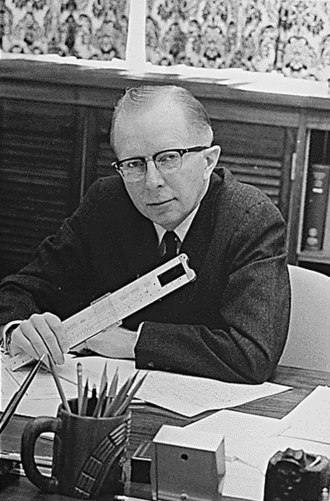
Paul W. McCracken served as Chairman of the Council of Economic Advisers from January 1969 until December 1971. During the early months of the White House taping period, he advised President Nixon on combating inflation, though he notably opposed the mandatory wage and price controls implemented by the administration in August 1971. McCracken resigned his post in December 1971 to return to his academic career at the University of Michigan, limiting his presence on the tapes to the first year of the recording system.
President Nixon and his Cabinet met to discuss the ongoing military operations in Indochina and the development of the administration's national health reform agenda. Regarding the war, officials reviewed the progress of South Vietnamese incursions into Laos and Cambodia, noting that the strategy was successfully disrupting enemy supply lines while shifting the burden of ground operations away from American forces. The conversation then transitioned to a detailed proposal from Secretary of Health, Education, and Welfare Elliot Richardson regarding healthcare reform, with the group debating the costs, tax implications, and administrative feasibility of implementing Health Maintenance Organizations (HMOs) and national health insurance standards.
President Nixon met with his economic advisors and a group of Fortune magazine editors to discuss the state of the U.S. economy, specifically focusing on inflation, unemployment, and potential policy responses. The discussion covered the administration's skepticism toward broad, mandatory wage and price controls during peacetime while exploring alternative methods like regional bargaining and government-led productivity initiatives. Nixon emphasized the importance of executive branch coordination in economic policy, noting the need to balance fiscal responsibility with strategic support for struggling industries like aerospace and construction.
President Nixon met with members of his economic team—the "Quadriad" of George Shultz, Paul McCracken, Arthur Burns, and John Connally—to refine the administration's strategy for managing the national economy. The discussion focused on persistent inflation, unemployment in the aerospace and technical sectors, and the potential use of federal authority to curb wage and price increases, particularly within the construction industry via the Davis-Bacon Act. The President emphasized the need for a unified approach to instill public confidence and ensure long-term economic stability, cautioning his team that the political viability of a conservative economic agenda depended on their collective success.
President Nixon met with his key economic advisors—John Connally, Arthur Burns, George Shultz, and Paul McCracken—to discuss urgent financial matters and the administration's public messaging strategy. The conversation covered the potential failure of the Lockheed-Rolls-Royce deal, the stability of the DuPont brokerage firm, and rising pressure to increase milk price supports for political leverage. Throughout the meeting, Nixon emphasized the need for internal discipline, a unified public stance on economic policy, and the projection of confidence to stabilize the markets and improve public perception.
President Nixon met with H.R. Haldeman and John Ehrlichman to discuss personnel and administrative strategy, specifically regarding the contentious appointment of an Under Secretary of the Interior. They evaluated the political risks of defying Senator Gordon Allott's preferences while navigating the administration’s broader economic objectives and cabinet management. To reduce social friction and administrative inefficiency, the President decided to reduce the frequency of cabinet meetings to a structured hour every two weeks and to shift toward engaging sub-cabinet members in social functions.
President Nixon and his Cabinet met to discuss the ongoing challenge of inflation and rising construction costs, focusing on the administration's strategic options for economic stabilization. Dr. Paul McCracken reviewed current inflationary trends and labor market data, outlining a spectrum of potential responses ranging from maintaining current fiscal policies and targeted interventions to implementing more aggressive measures like wage and price controls. The meeting served as a forum to evaluate the efficacy of various regulatory mechanisms, such as the National Commission on Productivity and the suspension of the Davis-Bacon Act, while weighing the political and practical risks of further government intervention in the economy.
President Nixon and the Council on International Economic Policy (CIEP) met to review global economic trends, specifically focusing on the United States' competitive position regarding trade, technological exports, and shifting GNP shares among developed and developing nations. The participants discussed the challenges posed by Japanese industrial policies, the role of multinational corporations, and potential antitrust law reforms to better align with international business realities. The meeting served to define the CIEP’s procedural structure and establish priorities for future foreign economic initiatives, including trade legislation and adjustment assistance programs.
President Nixon met with Franco Mario Malfatti, President of the European Commission, and various U.S. officials to address rising protectionist tensions between the United States and the European Economic Community (EEC). The discussion focused on the necessity of reciprocal trade concessions, specifically identifying how minor, mutually beneficial adjustments—such as those regarding citrus and textiles—could alleviate domestic political pressures and prevent broader trade conflicts. Nixon emphasized the importance of finding practical solutions to avoid protectionism, while Malfatti discussed the EEC’s ongoing efforts toward economic integration and the logistical challenges posed by the community's potential expansion. To facilitate progress, the parties agreed to coordinate follow-up efforts, including an upcoming diplomatic mission by Ambassador David Kennedy to Europe and Asia.
President Nixon met with Paul W. McCracken to urge him to remain as Chairman of the Council of Economic Advisers, dismissing press speculation about his resignation as a potential negative signal for the administration's economic policy. The two discussed future leadership, including potential candidates like James R. Schlesinger and Ezra Solomon to replace outgoing members, and emphasized the need for a unified approach to economic management. Nixon also established a task force—consisting of Peter M. Flanigan, John B. Connally, and Maurice H. Stans—to address business community frustrations regarding federal regulations and labor costs.
President Nixon and a wide-ranging group of Cabinet members, advisors, and Congressional representatives met to discuss the growing national energy crisis and the necessity of transitioning to nuclear power. AEC Chairman Glenn Seaborg and other experts detailed the technological, environmental, and economic advantages of the liquid metal fast breeder reactor, emphasizing its ability to maximize fuel efficiency and provide long-term, pollution-free energy. The participants concluded that a strong national commitment, including significant federal funding and industry collaboration, is essential to accelerate the development of demonstration reactors and ensure future energy independence.
President Nixon met with key staff and advisors, including H. R. Haldeman, Henry Kissinger, and Paul McCracken, to discuss administrative strategy, economic messaging, and foreign policy. The President emphasized the need for a more confident and assertive presentation of his administration's record, particularly concerning the economic recovery and Vietnam. They also addressed the strategic communication surrounding upcoming trade initiatives with China and the importance of Henry Cabot Lodge's potential visit to Vietnam to manage regional political stability. Throughout the meeting, Nixon underscored the necessity of maintaining a firm posture against political opposition while attempting to shape public perception regarding his initiatives.
President Nixon met with his economic and policy advisors to refine his upcoming energy message to Congress, focusing specifically on promoting the breeder reactor program as a centerpiece to generate public excitement. The participants discussed the geopolitical implications of energy negotiations with Canada, the potential for deregulating natural gas pricing to address fuel shortages, and strategies for managing Congressional relations, particularly with Representative Chet Holifield regarding government reorganization. Nixon directed his team to prioritize the breeder reactor project while navigating political sensitivities surrounding government appointments and the scheduling of future administration initiatives.
President Nixon convened an extensive afternoon meeting in the Oval Office with his key economic advisors, including George Shultz, John Connally, Arthur Burns, and Paul Volcker, to deliberate on pressing fiscal and monetary policy issues. The discussion focused on addressing the nation's ongoing economic instability, involving high-level strategy sessions with administration officials and cabinet members. These deliberations were critical in shaping the Nixon administration's approach to inflation and international monetary concerns, ultimately informing the direction of domestic economic policy.
President Nixon met with Paul W. McCracken, Ezra Solomon, and George P. Shultz to discuss the appointment of Ezra Solomon to the Council of Economic Advisers and to solicit his expertise for long-term economic planning. The participants analyzed the state of the American economy, focusing on consumer confidence, retail sales, and the competitive challenges posed by international trade, particularly regarding Japan. Nixon emphasized the need for a strategic, forward-looking economic approach that considers geopolitical trends and maintains U.S. competitiveness in a globalized market.
President Nixon met with Max M. Fisher and Paul W. McCracken to discuss strategies for improving the administration's relationship with the business community, which Fisher described as feeling isolated and harassed by regulatory policies. The participants analyzed the economic impact of rising interest rates on the housing industry, leading Nixon to direct Fisher to coordinate with Treasury Secretary John Connally regarding these concerns. Nixon expressed frustration with congressional pressure on environmental and consumerist legislation, specifically highlighting his personal efforts to curb mandates such as automobile air bags.
President Nixon, Vice President Agnew, and a large group of Cabinet members and senior staff met to establish a strategic framework for domestic policy, budget planning for the 1973 fiscal year, and the development of the 1972 Republican legislative and election platform. Participants reviewed polling data regarding national, community, and family concerns, noting that the economy, inflation, and unemployment are primary public priorities while other issues like pollution and consumerism are often driven by media visibility. The President and attendees emphasized the need for better communication to receive credit for administration accomplishments, focusing on a limited number of 'gut issues' rather than overextending on too many programs. Ultimately, the group discussed the necessity of coordinating policy initiatives and messaging to ensure visible progress on key economic and social concerns ahead of the 1972 election.
President Nixon met with his key economic advisors—John Connally, George Shultz, Paul McCracken, and Arthur Burns—to assess the sluggish state of the economy and deliberate on potential government interventions. The discussion centered on rising inflation, the psychological impact of economic news, high interest rates, and the growing public frustration regarding wage costs. The group debated the timing and feasibility of implementing wage and price controls, ultimately reaching a consensus to maintain a defensive posture while preparing to apply pressure on the steel industry and other key sectors to curb inflationary expectations.
President Nixon met with departing economic advisor Henrik S. Houthakker and Council of Economic Advisers Chairman Paul W. McCracken to express appreciation for Houthakker’s service. The meeting primarily served as a farewell, featuring a photograph session and the presentation of gifts. The President concluded the brief engagement by acknowledging Houthakker's contributions to the administration's economic efforts.
President Nixon met with the National Commission on Productivity to discuss the evolving state of the global economy and the United States' competitive position in the post-World War II era. The conversation focused on the rapid industrial growth of Japan and Western Europe, the emergence of China, and the necessity for the U.S. to enhance its productivity to maintain economic leadership. Nixon emphasized that while diplomatic and political tensions with the Soviet Union might fluctuate, long-term economic stability and international influence would depend on domestic production and effective global economic engagement.
President Nixon met with members of the National Commission on Productivity, including union leaders, corporate executives, and government officials, to discuss strategies for enhancing American economic productivity and competitiveness. The conversation focused on the role of government-industry cooperation, the importance of basic versus applied research in fostering technological innovation, and the challenges posed by foreign trade competition and environmental regulations. Participants emphasized the need to align private sector investment with national economic goals to ensure long-term stability and job growth in an increasingly global market.
President Nixon met with H.R. Haldeman and Alexander Butterfield to discuss speechwriting strategy, emphasizing a "tough" message against permissiveness regarding crime and drugs. He later consulted with Paul McCracken, who offered his resignation as head of the Council of Economic Advisors to return to teaching. The President requested that McCracken delay his departure to avoid the appearance of economic failure and urged his staff to pursue more aggressive research and development initiatives to stimulate the economy.
President Nixon met with Council of Economic Advisers Chairman Paul W. McCracken to discuss the administration's economic policy, including the challenges of high unemployment and inflation. The President expressed frustration with the sluggish economy and explored the potential for dramatic fiscal interventions, such as shifting tax structures or modifying the international value of the dollar to improve competitiveness. Following this, Nixon consulted with John B. Connally to coordinate a strategic response, emphasizing the need for decisive action and unity between the Council of Economic Advisers and the Treasury Department.
President Nixon met with his economic and national security advisors to address urgent concerns regarding the federal budget, economic growth, and the size of the government. Seeking to shift toward a balanced budget, Nixon directed his team to pursue aggressive spending cuts, including an across-the-board 10% reduction in federal personnel and significant decreases in defense and intelligence agency staffing. He emphasized that these efforts were essential for restoring confidence in the private sector and demanded a strategic overhaul of mission requirements, particularly within the Department of Defense and the CIA, to eliminate waste and redundant programs.
President Nixon met with United Transportation Union leaders and railroad management representatives to address the economic crisis caused by an ongoing railroad strike. Nixon emphasized his administration's preference for private-sector collective bargaining over government intervention, warning that continued labor stoppages could provoke negative public and Congressional reactions that would ultimately damage the industry. The discussion centered on the need for both parties to reach an equitable settlement quickly to protect the economy, with the President urging management to streamline their decision-making process to facilitate a resolution.
President Nixon met with his economic advisors and cabinet members to weigh the political and economic implications of raising FHA interest rate ceilings. The participants debated whether to maintain the current 7% rate with increased subsidies or raise it to 7.75% to reflect market realities, ultimately deciding to hold the current rate for 60 days while utilizing the 'tandem plan' and other legislative avenues to support housing starts. Additionally, the President instructed his team to aggressively manage their public narrative regarding the economy, specifically directing them to challenge the press and administration critics by focusing on positive economic indicators and the President's personal involvement in fiscal policy.
President Nixon met with economic advisor Paul W. McCracken to discuss the precarious state of the national economy and the impending crisis in international monetary affairs. McCracken provided a memorandum outlining potential responses to the weakening dollar, including the possibility of closing the gold window and allowing the currency to float. Nixon emphasized the need for extreme secrecy regarding these plans to prevent leaks and indicated his desire for a deliberate, rather than reactive, approach to handling the potential economic instability.
President Nixon met with his Council of Economic Advisers, including Paul McCracken, Herbert Stein, and George Shultz, to assess the current state of the national economy and evaluate potential administration interventions. The discussion focused on economic indicators, inflation, and the political and psychological impact of potential wage and price controls. Nixon emphasized the need for confidentiality regarding major policy shifts, such as closing the gold window, while the group weighed various stimulus options, including tax relief and investment tax credits, to spur business confidence and consumer spending.
President Nixon convened a large meeting with Vice President Agnew and his Cabinet to discuss the national economy and the "New Economic Policy" he had announced the previous day. Key topics included the wage-price freeze, import surcharges, tax relief, budget cuts, and the convertibility of the dollar. The administration sought Cabinet support for these initiatives and discussed their potential impact on international trade and domestic employment.
President Nixon convened a meeting with Vice President Agnew and a bipartisan group of Congressional leaders to discuss the national economy and his administration's "New Economic Policy." Key topics included the wage-price freeze, investment tax credits, the international monetary situation, and an import surcharge. The discussion focused on the necessity of Congressional cooperation for implementing these measures and their potential impact on inflation, trade, and specific industries like automobiles.
President Nixon met with economic advisors, including George Shultz and Paul McCracken, to discuss the implementation and public perception of the ongoing 90-day wage and price freeze. The group evaluated the challenges of enforcing economic policies across various sectors—notably teachers and professional athletes—while emphasizing the need for productivity-based bargaining and management strategies for the transition to 'Phase II.' Nixon praised the staff's morale and dedication, highlighting the importance of avoiding a permanent bureaucratic 'straitjacket' while ensuring the economy remained stable leading up to the November deadline.
President Nixon met with the Council on International Economic Policy (CIEP) and key economic advisors to discuss the administration's post-August 15 New Economic Policy (NEP) and future international trade strategy. Peter G. Peterson led a presentation analyzing the shortcomings of global liberal trading systems and the challenges posed by foreign competitors like Japan, while other officials addressed the domestic economic impact, labor relations, and the status of ongoing monetary negotiations. The President emphasized the need for a firm but diplomatic approach toward Japan and directed his team to maintain the offensive on domestic economic policy while keeping options flexible regarding international monetary reform.
President Nixon met with key labor leaders and administration officials to solicit input on the development of 'Phase II' of his economic program, following the conclusion of the initial 90-day wage and price freeze. The discussion centered on transitioning to a more permanent, yet flexible, mechanism for controlling inflation while maintaining the principles of collective bargaining and a free-market system. The participants debated the merits of tripartite boards—modeled after the War Labor Board—versus government-imposed mandates, with labor leaders emphasizing the need for voluntary compliance and equitable standards. Nixon concluded by establishing an October 1 deadline for the group to submit their formal views, underscoring the necessity of labor-management cooperation for the program's success.
President Nixon met with the Cost of Living Council to assess the implementation and public reception of the 90-day wage-price freeze initiated on August 15, 1971. The council members, including John Connally, George Shultz, and Arthur Burns, reported on the effectiveness of enforcement efforts, current compliance levels, and the complexities of handling exemption requests. The discussion shifted toward strategic planning for Phase II, emphasizing the need for sustainable economic policies, public leadership, and the critical role of securing support from business and labor leaders before the freeze's conclusion.
President Nixon met with Paul McCracken to review the administration's ongoing international and domestic economic policies, specifically regarding currency exchange rates and the wage-price freeze. They discussed the tactical use of the import surcharge as leverage for securing favorable exchange rate adjustments from foreign partners, including Japan. The conversation also touched upon the strategic transition from the current economic freeze into 'Phase II' and the importance of maintaining administrative flexibility regarding McCracken’s potential travel and future scheduling.
President Nixon, Pat Nixon, and the Cabinet met with their spouses to discuss the implementation and public perception of the administration’s New Economic Policy. Secretary of the Treasury John Connally led a comprehensive briefing on the wage-price freeze, tax reforms, and international monetary adjustments aimed at curbing inflation. The discussion emphasized the necessity of these economic measures for restoring national growth, managing federal expenditures, and building public and congressional support for the administration's program.
President Nixon met with a large group of Republican Congressional leaders to solicit support for his administration's economic initiatives, specifically the New Economic Policy and tax reform measures. Key topics included the Job Development Tax Credit, depreciation reform, and strategies to secure bipartisan support for the Economic Stabilization Act as the program entered its second phase. The participants also discussed the necessity of public and business cooperation, as well as the international trade context of the President's economic agenda.
President Nixon, Vice President Agnew, and members of his Cabinet met to coordinate a unified administration strategy ahead of critical International Monetary Fund (IMF) meetings and ongoing global trade negotiations. The discussion emphasized the necessity of maintaining the recently imposed 10% import surcharge and a firm bargaining stance to address the nation's economic balance of payments and reshape the international monetary system. Nixon and his advisors agreed that while foreign partners would likely criticize U.S. policy, maintaining domestic political support and correcting long-standing trade imbalances remained the administration's primary objective.
President Nixon met with his senior staff and economic advisers to finalize the rollout strategy for Phase II of his economic program. The discussion focused on establishing an effective, low-key announcement strategy for the upcoming wage and price controls, balancing the need for public cooperation with the desire to avoid the appearance of a crisis. Key decisions included keeping the address concise, maintaining a tone of confidence, and utilizing prime-time news slots to maximize reach while minimizing disruption to entertainment programming.
President Nixon met with bipartisan Congressional leadership to outline his post-freeze economic program and announce plans for an upcoming summit in Moscow. He detailed the formation of a tripartite Pay Board, a Price Commission, and a committee on interest and dividends to maintain economic stability through a mix of voluntary cooperation and necessary sanctions. Additionally, the President briefed the leaders on the status of international monetary negotiations and his strategic approach to the May 1972 summit with Soviet leadership regarding arms control and trade.
President Nixon met with his Cabinet and key staff members to review the administration’s domestic and foreign policy priorities, primarily focusing on the economic transition to 'Phase II' and the announcement of a 1972 Soviet summit. Officials discussed the successful implementation of the wage-price freeze and the strategy for securing organized labor's cooperation on the newly formed Pay Board and Price Commission to curb inflation. Additionally, the President addressed the importance of linking economic policy to job growth through his pending tax proposals, while Secretary of State Rogers and the President emphasized that international diplomatic overtures toward the Soviet Union and China were part of a cohesive, long-term strategy for global peace.
President Nixon met with his economic advisors (the "Quadriad") and Henry Kissinger to discuss international monetary policy, trade negotiations, and the upcoming Asian trip for John B. Connally. The group addressed the urgency of trade concessions, the complexities of gold convertibility, and the need to manage currency realignments while maintaining a firm U.S. negotiating position. Nixon provided specific instructions for Connally’s itinerary, emphasizing the need to reassure allies in Japan, Thailand, and Indonesia of U.S. commitment while avoiding being sidelined by State Department staff during sensitive private discussions.
President Nixon and the Cost of Living Council convened to discuss the efficacy of the administration's economic stabilization program, specifically the transition from Phase I to Phase II. Participants evaluated the success of existing price and wage controls and addressed the future of the Pay Board and Price Commission ahead of the 1972 calendar year. The meeting concluded with a formal vote to adopt an amendment to 'Option 2' regarding economic policy adjustments.
President Nixon met with Paul McCracken and George Shultz to review current economic performance, particularly regarding GNP growth and unemployment, while also discussing the urgency of negotiations within the international monetary system. Nixon expressed deep frustration with the American business community, characterizing corporate leaders as timid and lacking the fortitude he observed in other nations. The meeting also addressed McCracken’s planned departure from his role and the search for a successor, with the group emphasizing the need to maintain pressure on the Federal Reserve regarding the money supply.
President Nixon met with a bipartisan group of Congressional leaders to brief them on his recent diplomatic discussions with French President Georges Pompidou and the status of U.S. international economic policy. The conversation focused on efforts to address the global monetary crisis, the necessity of realigning exchange rates to restore the competitive position of American goods, and the importance of burden-sharing among trade partners. Nixon highlighted the recent breakthrough in negotiations with France as a critical step toward stabilizing the international monetary system and advancing domestic economic goals like job creation and inflation control.
President Nixon met with departing economic advisor Paul W. McCracken to discuss the administration's economic legacy and international monetary policy. They reviewed the successful implementation of the August 1971 surcharge and the resulting shifts in global currency values, as well as strategies for future negotiations with Japanese and European counterparts. Nixon expressed gratitude for McCracken’s service and solicited final advice regarding the Federal Reserve's monetary policy, reflecting optimism for economic growth heading into 1972.