Nixon, Thelma C. ("Pat") (Ryan)
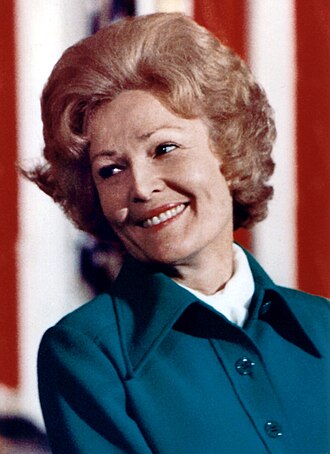
Thelma C. "Pat" Ryan Nixon served as the First Lady of the United States throughout her husband Richard Nixon's presidency from January 1969 to August 1974. During the White House taping period, she played a highly visible public role, most notably accompanying the President on his historic 1972 diplomatic trips to the People's Republic of China and the Soviet Union, where she served as an effective ambassador of goodwill. As First Lady, she also championed volunteerism and oversaw a major campaign to acquire historic art and furnishings for the White House collection.
What Nixon talks about on the tapes
Camp David 112Presidential schedule 43Personal correspondence 39First Lady 38Personal communication 35White House Tapes 28Family 28Scheduling 23Logistics 22Personal matters 21Public relations 18Presidential scheduling 13
Conversations (336)
— Page 4 of 4President Nixon, First Lady Pat Nixon, and Manolo Sanchez met in the Oval Office to coordinate logistics for the upcoming arrival ceremony for British Prime Minister Edward Heath. The discussion included brief administrative details regarding the ceremony's arrangement and the positioning of Lady Cromer. The participants also engaged in informal conversation regarding the selection and placement of a new chair within the Oval Office decor.
President Nixon, First Lady Pat Nixon, and Manolo Sanchez gathered at the Aspen Lodge at Camp David to discuss the interior decoration of the residence. The participants reviewed various wall hangings and prints, ultimately deciding which pieces to display in the room and which to move to storage. This informal exchange focused on aesthetic preferences and the logistics of organizing personal items within the lodge.
President Richard Nixon met with First Lady Pat Nixon in the study at Camp David to discuss personal or private matters. Due to a withdrawn segment and the absence of a transcript, no substantive policy or political developments can be determined from the recording. The brief interaction concluded with the First Lady departing the study prior to the termination of the taping period.
President Richard M. Nixon and First Lady Pat Nixon met privately at the Aspen Lodge in Camp David to discuss personal matters. The conversation was largely recorded as a withdrawn item due to its private, personal nature. No significant policy decisions or administrative actions were documented in the available record.
First Lady Pat Nixon held an informal meeting with an unidentified individual at the Aspen Lodge in Camp David. Due to the presence of withdrawn material and the lack of an available transcript, the specific agenda and substantive outcomes of this discussion remain unrecorded. The interaction concludes without documented follow-up actions or policy-related developments.
President Richard Nixon met with First Lady Pat Nixon in the Aspen Lodge study at Camp David to discuss personal matters. The conversation was designated as a personal returnable item and was subsequently withdrawn from public release. No substantive policy or political developments were recorded in the available public record.
President Richard Nixon and First Lady Pat Nixon discussed plans for a potential trip to Florida to visit Julie Nixon Eisenhower. The President consulted his schedule regarding an upcoming AFL-CIO board meeting to determine the feasibility of the travel dates. They tentatively coordinated their departure and return to ensure the President could fulfill his professional obligations while accommodating their personal itinerary.
President Nixon and First Lady Pat Nixon coordinate their travel schedules and departure time for an upcoming trip. The President informs the First Lady of a potential stop in South Carolina on their return journey to attend a military-related engagement. He confirms that the stop will not require her participation as he finalizes the logistics.
President Nixon calls First Lady Pat Nixon to discuss the redecoration of their private living quarters with a specific set of 19th-century paintings. He suggests removing existing artwork in the bedroom to prioritize the display of these colorful, historically interesting pieces. The conversation concludes with a brief confirmation of their upcoming attendance at a performance of the musical "Irene."
President Richard Nixon and First Lady Pat Nixon coordinate the logistical details of bedroom furnishings and the layout of the President's workspace. The President requests specific modifications to his bedding and the placement of office equipment, including two dictaphones and multiple telephones. He emphasizes that these items must be located on the right side of his bed to accommodate his natural physical habits upon waking.
President Nixon and First Lady Pat Nixon discussed domestic arrangements and the reorganization of furniture in their private living quarters. The conversation focused on the practical placement of bedroom furniture, specifically regarding nightstands, mattresses, and the installation of dictaphones and lighting. No policy or administrative matters were addressed during this brief exchange.
First Lady Pat Nixon held an informal meeting with an unidentified individual at the Aspen Lodge in Camp David. Due to the significant withdrawal of content for personal privacy reasons, the specific substance of their discussion remains unavailable for historical analysis. The interaction concluded without any recorded policy implications or documented administrative action items.
President Nixon, Pat Nixon, Julie Nixon Eisenhower, and Manolo Sanchez gathered at the Aspen Lodge at Camp David for an informal family meeting. The interaction was largely social and domestic, characterized by casual exchanges among the President and his family members. No significant policy discussions or official government decisions were recorded during this session.
First Lady Pat Nixon and White House valet Manolo Sanchez met at the Aspen Lodge in Camp David to discuss personal domestic matters and household management. Given the lack of a transcript for this recording, the conversation reflects the routine, informal interactions between the Nixon family and their domestic staff during weekend retreats. No major policy decisions or executive actions are documented from this private engagement.
President Richard Nixon contacted First Lady Pat Nixon to inform her of a scheduling change regarding his evening plans. He explained that he needed to have dinner at the White House to meet with National Security Advisor Henry Kissinger in preparation for a press engagement the following day. Mrs. Nixon acknowledged the update, and the brief conversation concluded with the confirmation of his revised itinerary.
President Nixon met briefly with First Lady Pat Nixon to coordinate their evening and following day’s schedule. The President informed her of his upcoming meeting with Henry Kissinger and his need to work from the Old Executive Office Building to prepare for a press engagement. The discussion focused on these logistical arrangements and the President's immediate administrative priorities.
President Nixon and his wife Pat met with representatives from the American Heart Association, including Dr. Paul Yu, Richard Ross, and James Cavanaugh, for a "Heart of the Year" award presentation. The discussion focused on the AHA's work, the impact of heart attacks on presidents like Eisenhower and Johnson, and Mrs. Nixon's advocacy. The meeting included a photograph session and the presentation of gifts, emphasizing the possibility of recovery and a useful life after a heart attack.
President Nixon met with John Ehrlichman to address administrative oversight, White House personnel, and specific policy concerns. Key topics included the management of Soviet trade negotiations involving George Shultz and Henry Kissinger, potential adjustments to the Property Review Board, and the strategy for deregulating natural gas prices. The two also discussed personnel transitions, including the placement of Donald Santarelli and Balzano, and resolved to improve staff morale by addressing complaints regarding segregated dining facilities at the White House.
President Nixon and First Lady Pat Nixon briefly coordinate their upcoming schedules to align their travel plans for the following day. The President informs the First Lady of his intention to depart at 11:30 a.m. for a Cabinet meeting and mentions the possibility of an additional trip to South Carolina. They conclude the discussion by agreeing to verify whether the First Lady's presence is required for the potential South Carolina engagement.
Following an initial social segment with Pat Nixon and guests regarding White House events and gifts, the President met with Press Secretary Ronald Ziegler to discuss administration strategy. They analyzed the political landscape surrounding rising food prices, focusing on shifting the narrative to emphasize farmer cooperation in increasing production. The conversation also shifted to Watergate, where Nixon and Ziegler assessed the impact of recent press conferences on cooling Senate investigations and discussed Henry Kissinger’s problematic press relations as highlighted in a recent book by Henry Brandon.
President Nixon and First Lady Pat Nixon held a brief check-in regarding her upcoming travel plans to Korea. The exchange served to coordinate their respective schedules, specifically noting the First Lady's departure and the President’s obligation to conduct a broadcast on Friday night. The conversation concluded with plans to reunite after their separate commitments.
President Nixon and First Lady Pat Nixon hosted professional football player Jack Pardee, representatives from the American Cancer Society, and other guests in the Oval Office to honor Pardee’s recovery from skin cancer and his successful return to athletics. The meeting served as a photo opportunity and an awards presentation, highlighting Pardee's personal resilience and his support for the President’s cancer research initiatives. The group also engaged in casual conversation regarding the Miami Dolphins, football culture, and the general significance of athletic inspiration within the community.
President Nixon and First Lady Pat Nixon discussed their respective evening schedules and the success of the ongoing White House garden tour. Pat Nixon reported a high volume of positive attendee engagement, particularly noting the demeanor of the guests, while the President coordinated a meal plan due to his need to continue drafting remarks. They concluded by confirming logistics for David and Julie Eisenhower's attendance at the upcoming White House Correspondents’ dinner.
President Nixon and First Lady Pat Nixon briefly discussed the logistics and timing for an upcoming public appearance. They confirmed their departure schedule for the event, ensuring they would be ready to leave by 8:45. This brief interaction served to synchronize their plans for the evening's commitment.
President Richard Nixon met briefly with First Lady Pat Nixon in the Oval Office to exchange remarks before her departure. The interaction was limited to a very short duration, serving as a personal check-in rather than a substantive policy discussion. No significant political decisions or administrative actions were recorded during this brief encounter.
Tricia Nixon Cox initiated a telephone call to Press Secretary Ronald Ziegler to gauge the media's reception following a nationally televised address by President Nixon regarding the Watergate scandal. Ziegler reported that the press responded favorably, particularly noting that the President’s decision to visit the press room personally bolstered his standing. He expressed optimism that the administration could now move past the errors of subordinates and focus on the President’s future leadership objectives.
President Richard Nixon and First Lady Pat Nixon discussed plans for the President to take a brief break from his official duties. The primary purpose of the call was to coordinate a dinner engagement with their daughter, Julie Nixon Eisenhower. The President agreed to the outing, pending his ability to leave the White House later that evening.
President Richard Nixon and First Lady Pat Nixon held a brief meeting in the Old Executive Office Building to discuss personal plans for the evening. The conversation concluded with the President approving the First Lady's proposal to go out for the night. The exchange was strictly informal and did not involve any matters of state or policy.
President Nixon calls First Lady Pat Nixon to inform her of a change in his evening plans. He explains that he must work on a new strategy with Alexander Haig, Jr., necessitating the cancellation of their scheduled dinner. The President notes that he intends to take Haig out to eat instead.
President Nixon informs First Lady Pat Nixon of a change in his schedule, necessitating that he return to the Old Executive Office Building the following day to work on an alternative plan. The First Lady acknowledges the adjustment and confirms she will manage her own affairs accordingly. This brief exchange reflects the President's ongoing logistical adjustments during a period of high political pressure.
First Lady Pat Nixon and Lucy Winchester discussed the planning of an informal tea at the White House to honor Victoria Tolbert, wife of the President of Liberia. They reviewed a list of potential attendees, specifically aiming to balance the guest list with prominent American women and administration figures to avoid the appearance of a one-sided event. During the conversation, Nixon decided to remove Nikki Giovanni from the invitation list and directed Winchester to expedite the invitations via staff members.
President Nixon calls First Lady Pat Nixon to invite her to a private dinner cruise on the presidential yacht, the Sequoia. They discuss the guest list, specifically mentioning the potential inclusion of Rose Mary Woods to celebrate her recent pay raise. The couple finalizes their departure plans, confirming they will leave within fifteen minutes.
President Nixon and First Lady Pat Nixon engage in a brief, informal exchange facilitated by a White House operator. The conversation centers on coordinating personal plans for the evening, specifically regarding the First Lady's availability or desire to attend an event. The brief dialogue concludes without any significant policy developments or substantive administrative action.
President Nixon met with Ronald Ziegler, William P. Rogers, and others to strategize regarding the ongoing Ervin Committee hearings and the credibility of witnesses like John N. Mitchell and John W. Dean III. The discussion focused on Mitchell's testimony, which presented a narrative favorable to the President by claiming Nixon lacked prior knowledge of the Watergate cover-up or the break-in. The participants analyzed the effectiveness of the White House's decision to remain publicly silent rather than launching an aggressive counter-campaign against Dean, concluding that this restrained approach enhanced Mitchell's credibility. The group also touched upon upcoming testimonies from other key figures and potential legislative or legal implications concerning Presidential authority and the Ellsberg break-in.
President Richard Nixon and First Lady Pat Nixon engaged in a brief, private telephone conversation. The content of this interaction is withheld from public release as it is classified as personal and returnable material. Consequently, no policy decisions or administrative actions were documented during this exchange.
Julie Nixon Eisenhower contacted the White House operator to coordinate communication with her sister, Tricia Nixon Cox, who was attending a ball game. The participants discussed Tricia's expected return time of 10:00 p.m. and determined that the most efficient way to relay a message was to speak directly with her United States Secret Service agent.