Andrews, John K., Jr.
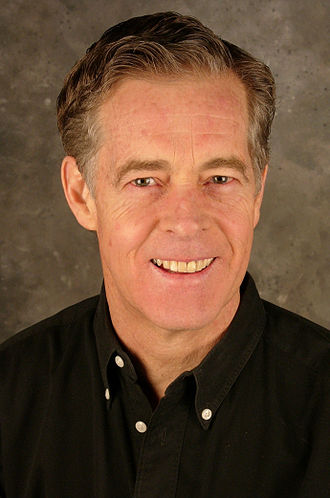
John K. Andrews, Jr. served as a staff assistant in the Nixon administration from 1969 to 1973, initially working in the Press Office before transitioning to the speechwriting team. During the taping period (February 1971 – July 1973), he was a key contributor to domestic policy rhetoric and was frequently recorded in the Oval Office discussing speech drafts and presidential messaging. Andrews became notable for being the first White House staffer to resign in public protest over the Watergate scandal, leaving his post in December 1973.
President Nixon met with Cathy “Mim” Frazier, a young constituent from Michigan serving as a poster child, alongside her family, Senator Robert P. Griffin, and David Laro. The meeting served as a ceremonial event involving a photo session, a presentation of White House gifts, and an autograph signing. The brief interaction concluded with logistical arrangements for the guests to receive a tour of the White House and informal discussion regarding upcoming reelection efforts.
President Nixon met with a Tennessee delegation led by Senator Howard H. Baker, Jr., which included local officials and artist Gordon Wetmore. The conversation centered on Tennessee state politics, specifically the legislative agenda of Governor Winfield Dunn, and included lighthearted social interaction and photo opportunities. The group also discussed various administrative schedules and upcoming cultural events, such as a performance by the Ohio State Fair Youth Choir.
President Nixon met with Raymond K. Price, Jr. and John K. Andrews, Jr. to edit and refine the themes of a forthcoming commencement speech. The President emphasized a message centered on American global responsibility, the necessity of maintaining strength, and the importance of service, while cautioning against neo-isolationism. The discussion also addressed recent violence against police officers, with Nixon directing staff to highlight his prior initiatives regarding law enforcement support and to consider a potential national scholarship fund for the children of slain officers.
President Nixon calls John K. Andrews, Jr. to commend his work on a draft for a forthcoming presidential speech. The two acknowledge the effectiveness of their previous collaborative sessions and establish a timeline for finalizing the document. Nixon concludes the brief exchange by confirming that no further revisions are required until the following afternoon.
President Nixon instructed John K. Andrews, Jr. to revise the conclusion of an upcoming speech by incorporating an anecdote or a letter to provide an emotional rather than intellectual closing. Nixon suggested utilizing correspondence from prisoners of war, parents of servicemen, or Vietnam veterans to frame the theme of service. Andrews was tasked with gathering two or three potential options for the President to review by late afternoon.
President Nixon and John K. Andrews, Jr. reviewed a draft of a forthcoming presidential speech, focusing on refining its thematic content and tone. The discussion involved editing specific phrasing, removing confusing references to a constitutional amendment, and evaluating the inclusion of a high school valedictory address anecdote. Nixon ultimately instructed Andrews to shorten sections of the text and reconsider the use of a literary reference to "John Brown’s Body" to ensure the message remained clear and impactful.
President Nixon consulted with John K. Andrews, Jr. to coordinate the final drafting and polishing of a televised speech scheduled for July 3. The President emphasized his desire to incorporate specific themes, including the declaration of the Bicentennial era and the importance of American spirit, while directing Andrews to recycle impactful phrases from previous addresses rather than seeking new material. Nixon instructed Andrews to refine a rough dictation into a 1,500-word text that maintained his personal oratorical tempo, setting a deadline for the revised draft to be ready by 9:00 p.m. that evening.
President Nixon met with staff member John K. Andrews, Jr. for a brief discussion regarding ongoing work assignments and administrative tasks. The conversation touched upon the management of various projects, the handling of written materials, and the President's personal reflections on his work. No major policy decisions were reached, as the dialogue focused primarily on procedural matters and the status of current internal projects.
President Nixon met with Alexander P. Butterfield, Rose Mary Woods, and briefly with John K. Andrews, Jr. in his Old Executive Office Building office to address internal administrative or scheduling matters. The discussion largely remained unintelligible, consisting of brief consultations with his staff before they departed. No substantive policy decisions or historical milestones were recorded during this brief administrative meeting.
President Nixon and John K. Andrews, Jr. coordinated the finalization of a rough draft for a forthcoming presidential address. The conversation focused on incorporating an anecdote about John Brown, which Rose Mary Woods was currently delivering, and refining the text's length and organization. Andrews committed to completing these revisions and presenting the updated draft to the President by 8:30 p.m.
President Nixon met with John K. Andrews, Jr. to coordinate preparations for an upcoming presidential address at the National Archives. The discussion focused on refining the speech's length, evaluating various draft versions, and perfecting the specific language to be used. The two men worked to ensure the content met the President’s standards before the event concluded.
President Nixon met with General Alexander Haig to discuss the status of diplomatic initiatives, including the upcoming Middle East policy and potential summit meetings with Soviet and Chinese leaders. They addressed the necessity of coordinating foreign policy messages to manage congressional and public perceptions while avoiding premature escalations in the Middle East. Following Haig's departure, Nixon worked with John K. Andrews, Jr. to revise an upcoming speech for the National Archives, focusing on refining themes of American national identity, the value of patriotism, and the importance of emphasizing the country's virtues.
President Nixon and his advisors, including H. R. Haldeman and Alexander Haig, met to refine the President's upcoming speech for the Bicentennial celebrations. They focused on trimming the text to fit a 12-minute delivery, adjusting the tone to emphasize American idealism, and finalizing strategies for the presentation, including the decision to withhold the written text from the press. Additionally, the group discussed potential public relations benefits from the speech, such as the future renaming of Air Force One to the "Spirit of '76."
President Nixon consulted with John K. Andrews, Jr. to clarify the correct pronunciation of the word "valedictory" for an upcoming presidential address. The brief exchange confirmed the stress placement on the third syllable and verified that preparations for the speech were finalized. Andrews informed the President that his requested revisions had been incorporated and the text was ready for delivery.
President Nixon directs speechwriter John K. Andrews, Jr. to revise the draft for his upcoming address to the Veterans of Foreign Wars convention. Nixon instructs Andrews to pivot away from previous concepts in favor of themes emphasizing the challenge of peace, the maintenance of American military pride, and the necessity of economic strength and national spirit. The President suggests coordinating with speechwriter Raymond K. Price, Jr. to ensure consistent messaging across upcoming speeches and requests that Andrews join the trip to finalize the draft.
President Nixon met with John K. Andrews, Jr. and his parents for a brief, informal social visit in the Oval Office. The participants engaged in polite conversation before the meeting concluded after approximately two minutes. No substantive policy discussions or significant political decisions were recorded during this brief encounter.
President Nixon met with H. R. Haldeman, John Ehrlichman, Henry Kissinger, and others to manage the fallout and public relations surrounding the recent trip to the People's Republic of China, specifically addressing Secretary of State William P. Rogers' perceived alienation from the process. The participants discussed strategies to neutralize negative press coverage and mitigate perceived leaks from the State Department, while also deliberating on the upcoming US-Soviet summit. Additionally, the conversation touched on various domestic political matters, including the ITT case, busing policy, 1972 campaign financing, and the political maneuvers of Democratic candidates.
President Nixon and John K. Andrews, Jr. engage in a philosophical discussion regarding the decline of character and leadership within the American business and intellectual elite. They reflect on societal shifts since 1954, specifically critiquing the implementation of Great Society programs and the deterioration of the family structure as obstacles to national progress. Nixon expresses frustration with the lack of support from mainstream media and the intellectual community for his executive decisions, particularly regarding foreign policy challenges like Cambodia.
President Nixon met with speechwriter John K. Andrews, Jr. to review and finalize a speech prepared for the President's upcoming address at a Catholic education convention. The two discussed specific revisions, with Nixon ensuring the draft incorporated his preferred messaging and feedback. The meeting concluded after the President reviewed the document and confirmed his intention to deliver the address.
President Nixon met with speechwriter John K. Andrews, Jr. to refine a draft of a major speech on education policy. The discussion focused on balancing the President's commitment to non-public school assistance and neighborhood schools against the reality of severe constitutional and legislative constraints. Nixon directed Andrews to revise the text to emphasize the administration's sincere commitment to these issues while avoiding the creation of false expectations regarding immediate solutions.
President Nixon met with John K. Andrews, Jr. to review and revise the text of an upcoming speech on non-public education and school busing. The discussion focused on refining the administration's firm stance against busing while maintaining a conciliatory tone for the audience, and carefully framing the crisis facing Catholic and non-public schools. Nixon directed specific changes to the speech's language, including calls for national unity and the removal of phrases that might imply administration support for busing as a primary policy tool.
President Nixon met with Henry Kissinger, William Rogers, and several staff members to discuss the ongoing North Vietnamese offensive and the resulting military and diplomatic response. The participants reviewed the status of air strikes, the performance of the South Vietnamese military, and the necessity of maintaining a low-profile press strategy until military actions are clearly justified by enemy provocation. Additionally, the group coordinated logistics for upcoming presidential foreign travel, specifically focusing on the USSR trip and potential stopovers in Poland and Iran, while also briefly assessing the 1972 Democratic presidential primary landscape.
President Nixon met with Henry Kissinger, Alexander Haig, and other staff members to finalize the strategy for an upcoming televised address regarding the worsening military situation in Vietnam. The President emphasized his desire for a simple, direct speech that would frame the North Vietnamese invasion as a clear act of aggression while preparing the public for potential military losses. A significant portion of the conversation focused on the necessity of matching tough rhetoric with decisive air and naval strikes, as well as the importance of maintaining diplomatic credibility ahead of the upcoming Soviet summit. Nixon also instructed his team to improve their public relations efforts, expressing deep frustration with the lack of aggressive messaging from the State Department and the Pentagon regarding the conflict.
President Nixon met with H.R. Haldeman, Ronald Ziegler, and Henry Kissinger to strategize for an upcoming televised address regarding the Vietnam War and secret diplomatic breakthroughs. They discussed the administration's plan to maintain a hard-line stance on the continued bombing of North Vietnam while emphasizing a commitment to peace through secret channels with the Soviet Union. A primary goal of the meeting was to coordinate the messaging to keep administration supporters mobilized, confuse political opponents, and discredit media critics who were skeptical of the administration's foreign policy maneuvers.
President Nixon and John K. Andrews, Jr. held a brief telephone call to coordinate an immediate in-person meeting. Nixon requested that Andrews accelerate his arrival at the White House to discuss unspecified ongoing work. The pair agreed to convene promptly to review these matters.
President Nixon met with John K. Andrews, Jr. to discuss the urgent necessity of securing a ceasefire in Vietnam as a means of extricating the United States from the conflict. Nixon emphasized the difficulty of maintaining current military commitments and suggested that achieving an immediate cessation of hostilities was the priority, with secondary terms left for future negotiation. The brief exchange highlights the administration’s shifting focus toward prioritizing an exit strategy amid mounting pressure.
President Nixon met with aides Winston Lord and John K. Andrews, Jr. to rehearse and refine a forthcoming speech regarding the Vietnam War. During the session, the President read a draft that emphasized his refusal to compromise U.S. national interests for election-year political gains, while framing the conflict as a test of American resolve against communist aggression. The discussion focused on adjusting the speech’s length and wording to underscore the necessity of achieving "peace with honor" and maintaining the integrity of the presidency.
President Nixon met with Henry Kissinger, Ronald Ziegler, and other staff to finalize a major televised speech regarding troop levels and the ongoing conflict in Vietnam. The discussion focused on refining the speech's tone to appeal to hawkish supporters while managing political fallout from critics and maintaining strict secrecy surrounding Kissinger’s recent diplomatic mission to Moscow. Nixon also provided instructions on how to handle Secretary of State William Rogers and SALT negotiations, emphasizing the need to consolidate executive control over diplomatic messaging and strategy.
President Nixon met with John K. Andrews, Jr. to coordinate the urgent preparation and review of a speech draft. The President requested an immediate word count and a copy of the document to facilitate his editorial process. This meeting served as a brief administrative session focused on drafting priorities and production deadlines.
President Nixon met with John K. Andrews, Jr. to review and refine a draft of an upcoming speech. The conversation focused on editorial adjustments, specifically centering on the document's word count and overall length. No further major policy decisions were recorded during this brief administrative session.
President Nixon directs John K. Andrews, Jr. to incorporate a specific theme regarding law enforcement into an upcoming speech, emphasizing the importance of respect for J. Edgar Hoover. Nixon requests that the material be drafted and delivered by 1:00 p.m. the following day, noting that input from Patrick J. Buchanan should be utilized in the development of the draft.
President Nixon and speechwriter John K. Andrews, Jr. met to edit the draft of the President’s eulogy for J. Edgar Hoover. They discussed the tone and content of the speech, agreeing to keep it brief while emphasizing Hoover’s historical stature and his role in maintaining law and order. The pair also addressed the political climate surrounding Hoover's legacy, specifically addressing criticisms from figures like Benjamin Spock and Jerry Rubin while refining the text for the President’s final delivery.
President Nixon and speechwriter John K. Andrews, Jr. met to revise the President's upcoming eulogy for FBI Director J. Edgar Hoover. Nixon provided specific editorial guidance, emphasizing the need to moderate religious references and refine the framing of Hoover’s legacy regarding law and order. The discussion focused on finalizing the draft, with the President instructing that a corrected copy be sent to his personal secretary, Rose Mary Woods.
President Nixon hosted the family of John Paul Vann, a distinguished military and civilian advisor in Vietnam, to formally present the Presidential Medal of Freedom. During the meeting, which included key administration officials and journalist Joseph Alsop, the President lauded Vann’s dedication and selfless service, comparing his contributions to those of the Marquis de Lafayette. The event served to honor Vann's legacy following his recent death and to highlight his critical role in the efforts to secure South Vietnamese sovereignty.
President Nixon met with his speechwriting and communications staff to strategize for the 1972 reelection campaign. The discussion centered on framing the election as a fundamental choice between Nixon’s policies and the 'radical' proposals of Democratic nominee George McGovern, particularly regarding national defense, welfare, and the role of government. Nixon instructed his team to emphasize these ideological differences, portray McGovern as an inconsistent extremist, and maintain a positive tone by focusing on the administration’s achievements in foreign policy and economic management.
President Nixon met with H.R. Haldeman and other staff members to discuss security concerns and public relations strategies regarding his upcoming travel schedule and motorcades. The participants evaluated the risks associated with motorcades versus rallies, specifically addressing threats posed by protestors and the need for improved crowd control measures. Additionally, they touched upon political strategy regarding the ongoing Watergate investigation and coordinated the handling of press inquiries concerning upcoming Vietnam peace negotiations.
President Nixon instructed John K. Andrews, Jr. on the thematic structure and messaging for his upcoming speech to farmers. He emphasized moving beyond a list of policy items to highlight the American farmer’s record-setting productivity, the benefits of recent grain deals with China for world peace, and the moral and spiritual values of rural communities. Andrews committed to completing a draft of the speech for the President’s review.
President Nixon and John K. Andrews, Jr. discussed final revisions for an upcoming farm speech scheduled for October 27, 1972. Nixon questioned the omission of the "revitalization of rural America" theme, but ultimately deferred to the judgment of John C. Whitaker and Secretary Earl L. Butz’s staff, who argued that such language might alienate farmers concerned about rural development. Having confirmed the reasoning behind the draft, Nixon approved the speech for release as written.
President Nixon consulted with John K. Andrews, Jr. regarding the administration's outreach strategy toward the agricultural sector. The President emphasized the political importance of assuring farmers that their concerns would receive dedicated attention from the White House. He instructed Andrews to investigate and develop specific messaging to effectively communicate this commitment to the farming constituency.
President Nixon directs John K. Andrews, Jr. on the content and themes for an upcoming defense radio speech. He instructs Andrews to emphasize the necessity of maintaining military superiority, specifically naval strength, to protect smaller nations like Israel, while arguing that a nuclear deterrent is insufficient for localized conflicts. Nixon also requests that the draft incorporate a quotation from André Malraux regarding the unique, unintended nature of American global power and the nation's lack of intent for territorial conquest. Andrews commits to providing a draft by the end of the day for the broadcast scheduled for Saturday.
President Nixon met with John K. Andrews, Jr. to discuss the political management of national defense issues. The President expressed a firm intent to restrict public access to sensitive defense information, emphasizing a need to consolidate executive power. The brief exchange reflects Nixon’s desire to maintain tight control over defense narratives rather than allowing public influence over security strategy.
President Nixon consulted with John K. Andrews, Jr. to clarify the total number of speeches in a planned series, ensuring that a previous address on labor is included to bring the final count to 14. The discussion emphasized maintaining accuracy in the series structure and documentation for a future collection of these speeches. Nixon further affirmed his approval of the speech goals outlined in Andrews's recent memorandum, specifically citing the importance of the dignity of work.