Cox, Tricia Nixon
Tricia Nixon Cox is the elder daughter of President Richard Nixon and First Lady Pat Nixon, serving in the highly visible public role of First Daughter throughout his administration. During the White House taping period, she famously married Edward F. Cox in a widely publicized Rose Garden wedding ceremony in June 1971. Following her marriage, she moved out of the White House but continued to make public appearances and campaign on behalf of her father, including during his 1972 reelection effort.
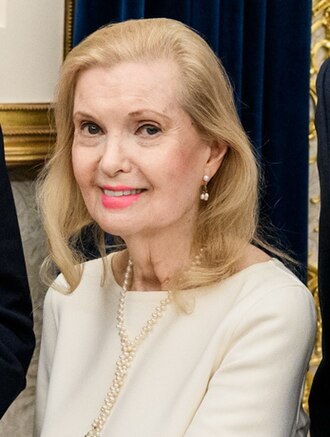
President Richard Nixon and his daughter, Tricia Nixon Cox, met briefly in the Oval Office for a personal conversation. The recording consists almost entirely of a withdrawn segment categorized as personal and returnable material, indicating no substantive policy or administrative business was conducted. As a result, there are no recorded developments or action items.
President Nixon and his daughter, Tricia Nixon Cox, held a brief personal meeting to coordinate their respective schedules and social engagements. They discussed logistical details regarding the President's meeting with John B. Connally, as well as upcoming plans involving Pat Nixon and friends Jack and Helene Drown. The conversation also briefly touched upon recent press coverage surrounding Tricia's engagement.
President Richard M. Nixon met briefly with his daughter, Tricia Nixon Cox, in the Oval Office. The majority of the one-minute interaction consisted of a personal segment that has been withdrawn from public release. No substantive policy discussions or official presidential decisions were recorded during this brief encounter.
President Nixon and Tricia Nixon Cox discussed the logistics and editorial control surrounding an upcoming Look magazine feature profiling them. The pair reviewed the status of accompanying photographs, the timing of the release, and coordination with staff members Constance Stuart and Julie Robinson. They further addressed the broader demands for Tricia’s television appearances and the necessity of managing her media scheduling alongside personal commitments at Camp David.
President Nixon met with John Ehrlichman and George Shultz to discuss a wide-ranging agenda of domestic and foreign policy issues, including handling public letters regarding the William L. Calley case and upcoming anti-war demonstrations. The participants reviewed economic strategies, focusing on the need to revitalize industrial research, antitrust policy, and international trade goals. They also evaluated the President’s recent Southeast Asia speech, progress on revenue sharing legislation, and the ongoing reorganization of the intelligence community.
President Nixon met with Secretary of State William Rogers and several staff members to discuss two primary agendas: the public relations strategy for Tricia Nixon’s upcoming wedding and the administration's foreign policy maneuvering regarding China and Vietnam. Nixon emphasized the need for a choreographed, graceful presentation of the wedding to the press while explicitly rejecting over-exposure on talk shows. Regarding international affairs, the participants discussed the necessity of capitalizing on the ongoing withdrawal from Vietnam to secure domestic credit for broader diplomatic achievements, including the recent opening to China and progress on arms control, while maintaining a firm stance on security and defense appropriations.
President Nixon and his daughter, Tricia Nixon Cox, discussed logistical arrangements for her upcoming wedding, specifically focusing on the number of bridesmaids. The conversation also touched upon a scheduled meeting between Tricia and Press Secretary Ronald L. Ziegler regarding wedding details, as well as the President’s upcoming schedule and travel plans involving Secretary of State William P. Rogers. No substantive policy decisions were made during this brief personal exchange.
President Richard Nixon engaged in a personal telephone conversation with his daughter, Tricia Nixon Cox. The recording consists almost entirely of a withdrawn segment categorized as a personal returnable item. Due to these privacy restrictions, no substantive political or administrative details are available for review.
President Richard M. Nixon met with his daughter, Tricia Nixon Cox, in the Old Executive Office Building for a brief personal conversation. While the majority of the discussion remains restricted as a personal returnable item, the interaction serves as a record of their private communication during the spring of 1971. No substantive policy decisions or administrative actions were documented in the available record for this meeting.
President Nixon met with his daughter, Tricia Nixon Cox, press secretary Ronald Ziegler, and photographer Howell Conant to coordinate a photoshoot for an upcoming magazine feature. Much of the discussion focused on the technical logistics of the session, including lighting, poses, and the selection of office locations to ensure high-quality, controlled imagery. Amidst these arrangements, the group engaged in casual conversation regarding White House personnel, the President's schedule, and the appointment of James E. Johnson to a high-ranking position within the Navy.
President Nixon met with his daughter, Tricia Nixon, along with Ann Coffin and photographer Howell Conant, to exchange gifts and discuss logistics for upcoming wedding photography. The group engaged in casual conversation regarding urban life in major American cities and the President's upcoming travel schedule. The discussion primarily served as a social prelude to planning portrait sessions for Tricia’s wedding, weighing the aesthetic and practical benefits of settings in California versus the White House.
President Nixon met with a group of female appointees and staff members to discuss the role of women in government, the importance of equal opportunity, and the necessity of incorporating diverse viewpoints into his administration. During the discussion, Nixon emphasized his preference for professional, pragmatic female voices who maintain their distinct identity rather than emulating men. The latter portion of the meeting involved coordinating logistics for a *Look* magazine cover photo shoot featuring Tricia Nixon and adjusting the President's upcoming travel schedule to California.
President Nixon hosted Pat Nixon and Tricia Nixon in the Oval Office to discuss the aesthetic and functional updates to the room. The conversation focused on the office's new layout, specifically highlighting the improved atmosphere and the changes to the window views that obscured public foot traffic. The brief meeting concluded with the participants confirming their plans to meet again later that evening.
President Richard Nixon spoke with his daughter, Tricia Nixon Cox, in a brief personal telephone call. The conversation was primarily social in nature, serving as a check-in between family members. No substantive policy matters or official presidential decisions were addressed during this short exchange.
President Richard Nixon and his daughter, Tricia Nixon Cox, engaged in a brief telephone conversation. The exchange appears to be personal in nature, reflecting typical familial interaction during the President's tenure. No substantive policy matters or historical developments were recorded in the accessible portion of this communication.
President Nixon and his senior aides, including H. R. Haldeman and Henry Kissinger, reviewed the successful public reception of the President's televised announcement regarding the Strategic Arms Limitation Talks (SALT) agreement. They analyzed press coverage, specifically the favorable reactions from media figures like Dan Rather, and discussed the strategic value of the brief, dramatic presentation to the public. Additionally, the group addressed the tepid responses from certain congressional leaders and planned a follow-up briefing for the NSC and negotiating team to reinforce the narrative of a mutual, high-level diplomatic breakthrough.
President Nixon and his daughter Tricia Nixon Cox discuss the positive public reception of the President's recent televised announcement regarding foreign policy developments. Tricia relays favorable commentary from NBC's John Chancellor, who praised the administration's progress in relations with China and the Soviet Union for transcending domestic politics. The President confirms logistical details for an upcoming cocktail reception at the White House for Strategic Arms Limitation Talks (SALT) negotiators, inviting Tricia and Julie Nixon Eisenhower to attend.
President Richard Nixon spoke with his daughter, Tricia Nixon Cox, in a brief personal telephone call. The conversation primarily served as a private familial exchange. No significant political developments or official government actions were recorded during this brief interaction.
President Nixon held a brief, informal telephone conversation with his daughter, Tricia Nixon Cox. The discussion was personal in nature, reflecting typical family interaction rather than formal administrative or policy business. No significant political developments or official actions were recorded during this brief exchange.
President Nixon met briefly with his daughter, Tricia Nixon Cox, to facilitate a request regarding a guest or associate named Claire Lewis. The discussion centered on securing an autograph or signature from the President for this individual. The exchange concluded with the President acknowledging the request and agreeing to provide the requested item.
President Nixon and his daughter, Tricia Nixon Cox, discuss media figures and political allies in the context of planning for her upcoming wedding. They review a list of prominent publishers and journalists, evaluating their political leanings and their history of support for the Nixon administration. The conversation serves as an informal assessment of key media influencers as the White House prepares to manage the public relations and guest list for the event.
President Nixon and his daughter, Tricia Nixon Cox, consult on the guest list for an upcoming event, likely related to Tricia's wedding festivities. They discuss the inclusion of various media figures and journalists, weighing the attendance of individuals from organizations like the Chicago Tribune and the Columbus Dispatch. The President provides guidance on how to manage specific invitees and suggests appropriate protocol for handling sensitive guests.
President Nixon held a brief telephone conversation with his daughter, Tricia Nixon Cox, to touch base during the evening. The discussion was personal in nature and did not address matters of public policy or administration. No significant political developments or official decisions resulted from this short exchange.
President Nixon held a brief, informal meeting with his daughter, Tricia Nixon Cox, in the Executive Office Building. The conversation primarily served as a personal check-in between the two. No formal policy decisions or official administration business were conducted during this short exchange.
President Richard Nixon spoke briefly with his daughter, Tricia Nixon Cox, via telephone. The conversation was personal in nature and served as a private check-in between family members. No substantive policy matters or administrative decisions were addressed during this short exchange.
President Richard Nixon met briefly with his daughter, Tricia Nixon Cox, in the Old Executive Office Building. The meeting served as a personal check-in between the President and his daughter shortly before her wedding. No substantive policy discussions or administrative actions were recorded during this brief interaction.
President Nixon and his daughter, Tricia Nixon Cox, discussed the logistics and scheduling for an upcoming diplomatic reception. They reviewed plans for gift presentations, the formation of the receiving line involving the First Family and the Cox family, and the potential for a public statement. Additionally, they coordinated arrangements for an official photograph of the First Family intended for use by Time and Life magazines.
President Nixon, Pat Nixon, and Tricia Nixon Cox discuss logistics and scheduling surrounding family plans, including a potential visit to Camp David on June 5, 1971. The participants review the success of a recent diplomatic reception held for Tricia and coordinate the involvement of Fina Sanchez. Additionally, the conversation touches upon routine administrative matters such as the maintenance of the White House driveway.
Tricia Nixon initiated a brief telephone communication through the White House operator to contact the usher's office. The conversation primarily functioned as a logistical request for internal coordination within the White House residence. The limited content of the recording reflects routine administrative activity rather than substantive policy or political discussion.
Tricia Nixon Cox, Jeffrey Donfeld, and unidentified participants engaged in a telephonic conversation routed through the White House operator. The primary content of the discussion remains inaccessible due to the withdrawal of a substantial personal segment. Consequently, no specific developments, decisions, or action items are available for historical analysis.
Tricia Nixon Cox initiated a series of brief administrative coordination calls involving Edward R. F. Cox, Ray M. Hare, and the White House operator. These communications were primarily focused on logistics, including reaching out to the chief usher’s office and making arrangements regarding a Sony portable tape recorder. The discussion also involved coordinating musical selections provided by the Army string ensemble for a specific event location.
Tricia Nixon Cox engaged in a brief telephone conversation with Ray M. Hare regarding the logistics of retrieving a Sony tape recorder. The discussion focused on coordinating the location and physical recovery of the device. No further policy or administrative actions were recorded during this short exchange.
Tricia Nixon Cox initiated a telephone call through the White House operator to consult with Secret Service agents regarding the ongoing construction of the White House tennis courts. She requested specific information and a status update on the project from the personnel on site. This routine inquiry primarily focused on logistical details concerning the facility's development.
Tricia Nixon Cox consulted with a Secret Service agent regarding the status of the White House tennis courts. The discussion focused on a follow-up to a previous conversation between Agent Novack and Ray M. Hare concerning maintenance or access arrangements. The exchange served as a routine administrative inquiry to confirm the availability or operational standing of the facilities.
President Nixon and his daughter, Tricia Nixon Cox, discussed logistics for upcoming First Family social events. The conversation focused on coordinating plans for a dinner with Pat Nixon and Julie Nixon Eisenhower, as well as the potential use of the presidential yacht, Sequoia. They also touched upon ongoing preparations related to Tricia's recent wedding.
President Nixon and John Ehrlichman met to discuss the administration's legislative and political strategy, specifically focusing on the drafting of housing policy, budget reduction measures, and the public image of his domestic programs. They debated the most effective ways to communicate policies to the public, with Nixon emphasizing the need to create clear, compelling political narratives regarding law enforcement, drug control, and the economy. The conversation also touched on foreign policy, specifically Nixon's decision to avoid unnecessary foreign travel and his desire to shift the public's focus from fear to a sense of confidence in his leadership.
President Nixon met with William F. Graham, Henry Kissinger, Ronald Reagan, and John Ehrlichman to discuss political strategy, labor relations, and foreign policy. The group addressed public support for the administration, including the President's firm stance against demonstrators, and strategic moves involving maritime unions and grain exports to the People's Republic of China. Nixon and Kissinger further evaluated ongoing Vietnam negotiations and the importance of maintaining military strength to retain political leverage over domestic critics and international rivals.
President Nixon, Tricia Nixon Cox, and Henry A. Kissinger coordinate the logistical details for upcoming social engagements. The primary topics involve the timing of a visit to the Executive Office Building to view wedding presents and the scheduling of a dinner event aboard the presidential yacht, the Sequoia. The participants ensure the attendance of First Lady Pat Nixon is appropriately integrated into the timeline of these activities.
President Nixon met with his daughter, Tricia Nixon Cox, and his son-in-law, Edward R. F. Cox, to review various personal mementos displayed in his office. The discussion focused on items from his time as Vice President, including a collection of gavels and memorabilia related to New York and baseball. This brief informal gathering served as a tour of the President's personal collection rather than a formal policy session.
President Nixon and H. R. Haldeman met to discuss a wide-ranging agenda of administration business, primarily focusing on managing press relations, staffing decisions, and public perception. A significant portion of the discussion centered on logistics and symbolic management of Tricia Nixon Cox's upcoming White House wedding, including strategies for handling potential rain and maximizing positive television coverage. The participants also reviewed internal friction regarding Secretary of State William P. Rogers, the expansion of the speechwriting office to better appeal to 'Middle America,' and strategies to improve the administration's image through carefully coordinated events and outreach to specific interest groups.
President Richard Nixon spoke with his daughter, Tricia Nixon Cox, regarding personal matters shortly before her wedding. The conversation occurred in a brief, informal context typical of the family's pre-nuptial communications. Because the substance of the discussion was classified as a personal record, no substantive policy or administrative developments were recorded.
President Richard Nixon engaged in a brief personal telephone conversation with his daughter, Tricia Nixon Cox. The recording consists almost entirely of redacted segments classified as personal and returnable, providing no substantive insight into political or administrative affairs. Consequently, there are no policy decisions or official action items resulting from this brief exchange.
President Nixon and his daughter, Tricia Nixon Cox, engage in a brief, informal check-in regarding recent media coverage and personal scheduling. The discussion touches upon positive feedback concerning television appearances and mentions an upcoming meeting with an ambassador. The exchange concludes with a brief mention of future plans involving travel to San Diego.
President Nixon and his daughter, Tricia Nixon Cox, discussed personal scheduling matters, specifically coordinating plans for the upcoming July 4th weekend and an upcoming dinner at the White House. The conversation also touched upon Tricia’s recent discussion with First Lady Pat Nixon. Additionally, the pair briefly addressed the ongoing legal developments surrounding the Pentagon Papers, including the recent Supreme Court decision and the positions held by the Court's justices.
President Nixon consulted with Pat Nixon and Tricia Nixon Cox regarding his schedule and the timing of upcoming speech drafts. The President indicated that he would be available around 9:00 p.m. once his staff completed the necessary work. The discussion also touched upon personal logistics, including Tricia's upcoming travel to New York City and a boat ride on the Sequoia.
President Richard Nixon met briefly with his daughter, Tricia Nixon Cox, in the Old Executive Office Building. Given the extremely short duration of the recorded interaction, no substantive policy matters or official developments were addressed. The exchange served as a personal check-in between the President and his daughter.
President Nixon and his daughter, Tricia Nixon Cox, engaged in a brief informal conversation primarily to discuss their respective schedules and personal family matters. They touched upon Tricia's public appearances at the White House fence, the President's upcoming travel plans, and his official duties regarding the certification of the Twenty-sixth Amendment. The call also served to coordinate family communications regarding Julie Nixon Eisenhower's birthday plans.
President Nixon and his daughter, Tricia Nixon Cox, discussed logistics regarding their respective personal schedules and social obligations. The President briefed Tricia on his upcoming trip to New York City, including a planned appearance by Ruby Keeler on Broadway. The conversation also touched upon Tricia’s coordination of social invitations for Edward R. F. Cox, Howard E. Cox, Jr., and Anne C. B. Cox.
President Richard Nixon spoke with his daughter, Tricia Nixon Cox, to coordinate upcoming family social engagements. The discussion centered on arrangements for a dinner visit with Tricia and her husband, Edward R. F. Cox, including plans to dine on the White House balcony. Additionally, the participants briefly touched upon the travel schedule of David and Julie Nixon Eisenhower.
President Nixon, Tricia Nixon Cox, and First Lady Pat Nixon engaged in a personal family conversation regarding upcoming travel and social arrangements. The discussion centered on coordinating schedules for visits to Maine and Camp David involving Tricia and Edward Cox, as well as Julie and David Eisenhower. The President also reflected on his recent activities in Maine, including boating and time spent with his family dogs.
President Nixon held a brief telephone conversation with his daughter, Tricia Nixon Cox, facilitated by a White House operator. The discussion was personal in nature and lacked any substantive policy or administrative content. No official decisions or actions were taken during this exchange.
President Richard Nixon met briefly with his daughter, Tricia Nixon Cox, in the Oval Office. The discussion primarily focused on personal matters, although specific details remain limited due to the withdrawal of one segment of the recording. No major policy developments or significant political decisions were recorded during this brief exchange.
President Nixon met with his daughter, Tricia Nixon Cox, in the Old Executive Office Building for a brief private discussion. The interaction focused on the practical logistics of installing a mirror within the office space. The conversation concluded almost immediately after this brief directive.
President Richard Nixon engaged in a brief telephone conversation with his daughter, Tricia Nixon Cox, to discuss personal family matters. The interaction was informal in nature, centering on domestic updates rather than official White House policy or administration business. Given the withdrawn nature of the recording, no substantive political developments or professional action items were documented.
President Richard Nixon met with his daughter, Tricia Nixon Cox, for a brief personal conversation regarding family matters. The discussion centered on social engagements, including a recent church service and lunch with the Connellys and the Grange. No significant policy decisions were made during this informal exchange.
President Nixon and his daughter, Tricia Nixon Cox, coordinate personal scheduling details regarding an upcoming astronaut dinner and an impending trip to Camp David. They specifically discuss room arrangements and meal logistics for the visit. Additionally, the pair plan to watch a televised appearance by First Lady Pat Nixon together.
President Nixon and H. R. Haldeman discussed the political potential of the Apollo 15 astronauts, specifically Colonel David R. Scott, before moving into a broad review of administrative challenges and scheduling. The conversation addressed the frustrations of managing press relations—notably regarding books by Walter Hickel and columnists Evans and Novak—and compared the executive demands of the presidency with those of governors and mayors. The pair concluded by coordinating upcoming meetings, including sessions with Black military officers and the American Legion commander.
President Nixon and his daughter, Tricia Nixon Cox, engaged in a private telephone conversation. The entire duration of the call was marked as a withdrawn personal item. Consequently, no substantive policy matters or official developments were recorded or disclosed for public review.
President Nixon and his daughter, Tricia Nixon Cox, engage in a brief, informal check-in regarding her time at Camp David. The conversation touches on weather conditions at the retreat and a minor update regarding a scheduled announcement. The exchange remains strictly personal, concluding with plans for the President and his daughter to spend time together.
President Richard M. Nixon and his daughter, Tricia Nixon Cox, engaged in a brief, personal telephone conversation. The discussion was entirely private in nature, as the primary segment of the call was withdrawn from the record for personal reasons. No official business or substantive policy matters were addressed during this exchange.
President Nixon met with H. R. Haldeman to evaluate potential Supreme Court nominees, weighing the political implications and qualifications of figures such as Howard Baker, Caspar Weinberger, Hershel Friday, and Mildred Lillie. The discussion focused on selecting candidates who could secure Senate confirmation while adhering to the administration's philosophical goals and navigating regional and gender-based political concerns. Additionally, the President and his staff touched upon U.S. foreign economic policy, specifically assessing the performance of Peter G. Peterson regarding textile negotiations.
President Richard Nixon and his daughter, Tricia Nixon Cox, discuss personal logistics and upcoming social plans, including a scheduled visit to Camp David with Bebe Rebozo. The conversation touches upon Tricia's voter registration status across several states, specifically noting her interest in New York. Additionally, they briefly mention an interest in the Baltimore Orioles' progress in postseason play.
President Nixon, John Mitchell, and John Ehrlichman met to strategize on upcoming Supreme Court nominations, specifically evaluating candidates like Lewis Powell, William French Smith, and Herschel Friday. They discussed the complications of appointing a woman to the Court, focusing on the potential for the American Bar Association (ABA) to deem a female candidate unqualified, which the President sought to avoid to prevent political backlash. Ultimately, Nixon decided to prioritize the nomination of Lewis Powell, aiming to finalize the selection while managing the ABA's evaluation process through Mitchell's liaison, Lawrence Walsh.
President Nixon and his daughter, Tricia Nixon Cox, discussed the logistics and political implications of Tricia and Edward F. Cox attending Senator Edward Brooke’s birthday party. The conversation focused on the strategic benefits of the couple's appearance at the event, incorporating advice from H.R. Haldeman regarding how their attendance could reflect positively on the President. The participants weighed the importance of the social engagement as a means of demonstrating political support for the administration.
President Nixon held a brief telephone conversation with his daughter, Tricia Nixon Cox, and his son-in-law, Edward R.F. Cox. The discussion primarily involved personal family matters and informal exchanges. No significant policy decisions or official government business were addressed during this call.
President Nixon and his daughter Tricia Nixon Cox discussed the political optics and public perception surrounding the First Family's use of military Jetstar aircraft for personal travel. Fearing negative press inquiries or political criticism, the President advised Tricia and her sister Julie to limit their usage of the government planes to roughly once every three weeks. He encouraged them to utilize commercial flights for routine travel to ensure they were not vulnerable to accusations of abusing taxpayer resources.
President Nixon met with Rose Mary Woods and Tricia Nixon Cox to discuss administrative logistics and political concerns, including the appropriate frequency of the First Family's use of government JetStar aircraft to avoid public scrutiny. The group also addressed the recent United Nations vote regarding Taiwan, expressing frustration over the conduct of delegates during the proceedings. Additionally, they reviewed scheduling matters, campaign-related travel for Tricia, and the selection of an official portrait photograph for the President and First Lady.
President Nixon received a brief telephone call from his daughter, Tricia Nixon Cox, facilitated by a White House operator. The conversation functioned as a short personal check-in between family members. No substantive policy matters or administrative decisions were addressed during this exchange.
President Nixon and his daughter, Tricia Nixon Cox, discuss the reception and technical logistics of a recent Republican fund-raising dinner in Boston featuring Gerald Ford and Bob Hope. They review the success of the event, including the funds raised and the audience's reaction to the President's broadcast remarks, while also noting the attendance of Tricia's family friends. Additionally, the conversation touches upon upcoming political concerns in Massachusetts and the President's personal schedule for the following weekend.
President Nixon and his daughter, Tricia Nixon Cox, discuss various personal and professional matters, including their upcoming schedules and the public relations surrounding First Family speaking engagements. They review recent activities involving Julie Nixon Eisenhower and the media coverage of her appearances, as well as the status of Pat Nixon's goodwill tour to Africa. Additionally, the President touches upon his planned trip to Florida and his anticipated address to the AFL-CIO convention.
President Nixon consulted with his daughters, Tricia Nixon Cox and Julie Nixon Eisenhower, regarding the public and media reception of his recent speech at the AFL-CIO convention. Tricia provided her perspective on the television network coverage, specifically critiquing the commentary from NBC and ABC, and offered her assessment of George Meany’s partisan reaction to the President's labor policies. The call also touched upon logistical arrangements for the family’s upcoming weekend trip to Camp David.
President Nixon met with family members Tricia Nixon Cox and Julie Nixon Eisenhower, along with aides Stephen B. Bull and Rose Mary Woods, and Senator Alan Bible. The discussion focused on television coverage of the President's recent address to the AFL-CIO convention and the handling of various personal telegrams, including correspondence from Mrs. Lou Gehrig. The participants also touched upon administrative tasks, such as the processing of documents and the management of office communications.
President Nixon spoke with his daughter, Tricia Nixon Cox, to coordinate travel plans for the upcoming Thanksgiving holiday in California. During the brief exchange, they also discussed Tricia’s impressions of John B. Connally’s recent press conference. Additionally, the pair shared their perspectives on public reaction to the President’s recent address to the AFL-CIO convention and his interactions with George Meany.
President Nixon and his daughter, Tricia Nixon Cox, held a brief, informal meeting to coordinate travel arrangements and discuss the positive feedback received regarding a recent event. The President noted his satisfaction with his decision to attend the meeting personally rather than sending a representative. The conversation concluded with brief family pleasantries regarding their upcoming departure.
President Nixon spoke with his daughter, Tricia Nixon Cox, to discuss his recent schedule and personal matters during the post-Christmas period. The conversation covered his upcoming travel plans to Florida, his meetings with West German Chancellor Willy Brandt and FBI Director J. Edgar Hoover, and his interest in the Washington Redskins football team. The call served primarily as a brief familial check-in regarding the President's professional engagements and leisure activities.
President Richard Nixon met with his daughter, Tricia Nixon Cox, for a brief personal visit in the Old Executive Office Building. The conversation primarily served as a private social interaction between family members during the post-Christmas holiday period. No policy matters or official administrative actions were recorded during this session.
President Nixon met with Alexander Haig to discuss the administration's strategic handling of press relations, international crises, and upcoming diplomatic initiatives. Nixon specifically instructed Haig to ensure Henry Kissinger maintains a lower public profile to avoid bureaucratic friction and media scrutiny while focusing on high-stakes summits in China and the USSR. The conversation also touched on military operations in Vietnam, the recent India-Pakistan conflict, and the need for improved coordination between the White House and the State Department.
President Nixon met with his daughters, Julie Nixon Eisenhower and Tricia Nixon Cox, to discuss strategies for increasing women's political engagement and federal representation within his administration. The conversation focused on the need for more leadership roles for women in political campaigns and the potential appointment of a woman to the Council of Economic Advisors. The participants also explored the societal challenges women face in balancing career ambitions with domestic responsibilities, ultimately debating the feasibility of creating more paid part-time employment opportunities to facilitate this balance.
President Nixon and his daughter, Tricia Nixon Cox, exchanged New Year's greetings and discussed the President’s upcoming schedule and holiday plans. The conversation covered media-related topics, including preparations for an interview with Dan Rather, a feature in TV Guide, and a positive Time magazine article regarding Edward Cox. They also touched upon Pat Nixon’s upcoming travel plans to Africa.
President Nixon and his daughter, Tricia Nixon Cox, discussed the public and political reception of his recent television appearance. They analyzed the antagonistic interviewing style of journalist Dan Rather, comparing it to a previous program hosted by Howard K. Smith, and reviewed specific segments of the interview concerning the Vietnam War, foreign policy, and domestic issues. The conversation also touched upon upcoming travel schedules for the First Family and minor political planning regarding the 1972 primary season.
President Nixon held a series of brief meetings and phone calls involving staff members Stephen Bull and Alexander Butterfield, as well as his daughter Tricia Nixon Cox. The discussions primarily addressed administrative tasks, including the routing of official documents to Cabinet members and the CIA, alongside personal messages and scheduling updates. Additionally, the President engaged in a conversation regarding the utilization of medical technicians and nurses to improve efficiency in hospital care, emphasizing the need for expanded roles for non-physician medical staff.
President Richard Nixon engaged in a brief, informal telephone conversation with his daughter, Tricia Nixon Cox. The dialogue was personal in nature, reflecting the President's routine family communications during his time in office. No formal policy matters, governmental decisions, or substantive political actions were recorded during this brief exchange.
President Nixon practices a speech with his daughter, Tricia Nixon Cox, regarding his administration's peace proposals for the Vietnam War. The discussion focuses on articulating the President's commitment to protecting U.S. forces while justifying his pursuit of a negotiated end to the conflict. Nixon emphasizes the need for national unity in support of his peace plan, explicitly addressing skepticism toward the government's credibility.
President Richard Nixon spoke with his daughter, Tricia Nixon Cox, during a brief evening telephone call. While a portion of the conversation involved Henry Kissinger, the exchange served as a personal check-in between the President and his daughter. No substantive policy decisions or political actions were recorded for this interaction.
President Nixon and his daughter, Tricia Nixon Cox, discuss personal and political matters, including a biased New York Times article regarding Vice President Spiro Agnew and the media coverage of the President's recent public engagements. The conversation also covers scheduling logistics for upcoming trips to Florida and Camp David, alongside reflections on the President's upcoming trip to the People's Republic of China. Additionally, they exchange positive feedback regarding a memorandum from Charles Colson concerning the public perception of First Lady Pat Nixon.
President Nixon and his daughter, Tricia Nixon Cox, engage in an informal check-in regarding family plans and recent personal activities. They discuss upcoming travel logistics, including potential trips to Florida and the President's impending visit to China, while also noting current weather conditions in Washington, D.C. The conversation concludes with a brief mention of political or social analysis regarding a trip taken by Monty.
President Nixon and H.R. Haldeman discuss logistical arrangements for the upcoming trip to the People's Republic of China, emphasizing the need for strict control over media coverage to prevent unauthorized exclusives. They decide against granting early commitments to networks like ABC, opting instead to utilize a White House-contracted film unit to manage output. Additionally, the President deliberates on his post-trip schedule, specifically debating whether to stop in Anchorage to allow for a prime-time arrival in Washington, D.C., and expresses his personal disdain for hosting social dinners as a political outreach tool.
President Nixon and his daughter, Tricia Nixon Cox, discussed logistics regarding the family's schedule and upcoming travel plans. They coordinated the President’s planned trip to Camp David for work, as well as the respective locations and activities of Pat Nixon and Julie Nixon Eisenhower at the White House. Tricia explored the possibility of joining her father at Camp David during the afternoon.
President Nixon and his daughter, Tricia Nixon Cox, discuss recent media coverage of a presidential portrait and Tricia's proposal to exhibit cloisonné vases acquired during the recent trip to China. They express satisfaction that the portrait received positive attention on the news programs while avoiding political controversy. The President enthusiastically endorses Tricia's plan to loan the vases to a museum in Cambridge, Massachusetts, viewing the gesture as a subtle and effective public diplomacy effort.
President Richard Nixon spoke briefly with his daughter, Tricia Nixon Cox, during a short telephone call. The conversation consisted of personal remarks and lasted approximately one minute. No substantive policy matters or administrative decisions were addressed during this exchange.
President Nixon and his daughter, Tricia Nixon Cox, held a brief, informal telephone conversation. The majority of the recorded interaction consisted of a personal segment that was subsequently withdrawn from public release. No substantive policy discussions or administrative decisions were documented during this exchange.
President Nixon held a brief, informal telephone conversation with his daughter, Tricia Nixon Cox. As the content of the discussion was designated as a personal returnable item, no substantive policy matters or official developments were recorded. The exchange serves primarily as a record of familial communication between the President and his daughter.
President Nixon and H. R. Haldeman met to discuss various political and administrative issues, focusing on the ITT investigation, the status of the 1972 campaign, and news media coverage. They explored strategies to manage the ITT controversy, including the potential to quiet hearings, and analyzed the President's standing following the New Hampshire primary. Later, Henry Kissinger joined the meeting to address the upcoming Moscow summit, foreign policy objectives, and the importance of maintaining White House control over foreign policy communications and negotiations.
President Richard Nixon met with his daughter, Tricia Nixon Cox, for a brief personal conversation. The discussion appears informal and lacks a clear policy objective, focusing on miscellaneous personal matters and scheduling constraints. No significant political decisions or administrative actions resulted from this short exchange.
President Richard Nixon and his daughter, Tricia Nixon Cox, discuss logistical arrangements regarding the use of a room, specifically weighing the merits of placing someone on the third floor. The conversation focuses on balancing practical space management with the personal preferences and potential movements of an unnamed individual. Ultimately, the President defers to Tricia's judgment on the matter, while briefly touching upon scheduling timelines for a future event.
President Nixon met with his daughter Tricia Nixon Cox, Luci Johnson Nugent, Patrick L. Nugent, and Stephen B. Bull in the Oval Office for a social visit and an official photo session. The conversation centered on casual family pleasantries, the history and legacy of the presidency, and the exchange of gifts, including a telescope. The participants also coordinated posing for the White House photographers to capture images of the group during their time in the office.
President Richard Nixon and his daughter, Tricia Nixon Cox, engaged in a brief telephone call. The conversation was personal in nature, as indicated by the withdrawal of the content under personal privacy exemptions. No substantive policy matters or administrative decisions were recorded during this exchange.
President Nixon speaks with his daughter, Tricia Nixon Cox, to discuss various personal and official matters. Their conversation covers updates regarding the President’s recent schedule, including the state visit of Turkish Prime Minister Nihat Erim and the status of an opium agreement. They also touch upon George Meany’s health and the President's public statement, before concluding with a discussion about Tricia's upcoming plans at Camp David.
President Nixon and his daughter, Tricia Nixon Cox, engaged in a brief personal telephone call. The conversation primarily served as a social check-in, during which they discussed the President's recent schedule, specifically a dinner party held the previous evening featuring guests Alice Roosevelt Longworth and John B. Connally. No significant political decisions or official policy actions were documented during this exchange.
President Nixon met with H.R. Haldeman and Henry Kissinger to discuss the deteriorating military situation in Vietnam, specifically the North Vietnamese offensive and the poor performance of the Army of the Republic of Vietnam (ARVN). Expressing intense frustration with the lack of aggression from military leadership and the poor quality of information reaching the White House, Nixon ordered an immediate surge in air support and demanded more proactive reporting. He and Kissinger agreed on a new public relations strategy to preemptively manage expectations by acknowledging that the loss of certain cities was expected, thereby neutralizing potential media criticism regarding ARVN failures.