Butterfield, Alexander P.
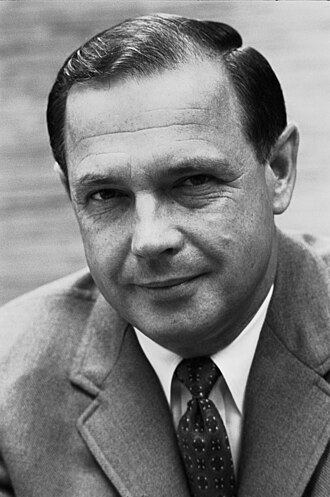
Alexander P. Butterfield served as Deputy Assistant to President Nixon from January 1969 to March 1973, a role in which he oversaw the installation and operation of the secret White House taping system. In March 1973, he transitioned out of the White House to become the Administrator of the Federal Aviation Administration (FAA). While serving as FAA Administrator in July 1973, Butterfield famously testified before the Senate Watergate Committee and publicly revealed the existence of the taping system he had previously managed.
What Butterfield talks about on the tapes
Presidential scheduling 225White House administration 163Presidential schedule 158White House operations 153Public relations 133Vietnam War 113Logistics 83White House logistics 82Foreign Policy 75Henry Kissinger 66Economic policy 62Scheduling 59
Conversations (1,038)
— Page 10 of 11President Nixon and Alexander Butterfield met to finalize the logistics and agenda for an upcoming breakfast meeting with Congressional leaders, including Gerald Ford and Hugh Scott. The President emphasized that the meeting should focus on potential vetoes for legislation exceeding the budget, while cautioning that administration officials must not prematurely disclose final executive decisions to the legislators. Additionally, Nixon approved a ceremonial book presentation involving author Frank van der Linden to be scheduled during the week.
President Nixon met with Representative William M. Colmer and several other guests, including Admiral Wallis M. Enger and George Ryder, to honor the U.S. Naval Construction Battalions (Seabees) and sign a House Joint Resolution in their recognition. Following a photo session, the conversation turned to political strategy regarding pending anti-busing legislation and a private relief bill sponsored by Colmer. The discussion concluded with a focus on the 1972 election campaign, specifically regarding Republican prospects in Mississippi and plans for a campaign event featuring Gerald Ford and members of the Nixon family.
President Nixon met with Alexander P. Butterfield to coordinate a forthcoming luncheon with congressional leadership, including Hugh Scott, Robert Griffin, Leslie Arends, and Gerald Ford. The discussion centered on managing the political implications of the ongoing General John Lavelle hearings and determining which administration officials, such as Alexander Haig or Henry Kissinger, should attend to address them. Nixon directed staff to assess whether legislative leaders required additional administration presence to navigate the potential political fallout from the hearings.
President Nixon met with Alexander Butterfield and Stephen Bull to coordinate logistics for an upcoming congressional leaders breakfast. The participants discussed the guest list, specifically determining that Henry Kissinger should lead the discussion on military appropriations. Additionally, they evaluated the suitability of the Oval Office versus the Executive Office Building for future meetings based on scheduling and the atmosphere for the President's upcoming appointments.
President Nixon met briefly with Alexander P. Butterfield to discuss adjustments to the President's schedule. The conversation was administrative in nature, focusing on managing the President's appointments as prepared by Raymond K. Price, Jr. The exchange concluded quickly without further elaboration on the specific content of the scheduling changes.
President Nixon met briefly with Alexander P. Butterfield to discuss adjustments to the President's schedule. The interaction served as a quick update regarding upcoming appointments or logistical arrangements. The meeting concluded immediately after the brief exchange.
President Nixon and Alexander P. Butterfield met to finalize the logistical arrangements for a formal dinner honoring Secretary of the Treasury George P. Shultz. They reviewed the guest list of approximately 60 attendees, which included various government officials and former Treasury Secretaries who were slated to provide toasts. The President requested a briefing folder to review the event's schedule and the planned sequence of remarks before the dinner.
President Nixon met with Stephen Bull and Alexander Butterfield to review administrative scheduling, legislative priorities, and security concerns. The discussion focused on coordinating a signing ceremony for the veterans' survivor benefits bill and managing the President’s travel itinerary, including upcoming events in Texas. Additionally, the participants addressed the strain on Secret Service resources regarding the protection of foreign officials and high-profile individuals.
President Nixon met with key advisors and political allies to strategize on the 1972 presidential campaign, the legislative handling of the Office of Economic Opportunity (OEO) bill, and security concerns regarding Henry Kissinger. The group discussed the political advisability of vetoing the OEO and water bills, emphasizing fiscal responsibility, and explored campaign messaging tactics, including the use of "mini-documentaries" highlighting the President's foreign policy achievements. A significant development was the focus on producing television spots that frame the President's leadership as nonpartisan and statesmanlike, contrasting his record with that of Senator George McGovern.
President Nixon met with Alexander P. Butterfield to coordinate upcoming scheduling priorities and media appearances. The discussion centered on recording a film clip for Reverend Leon Sullivan’s minority-focused television program and managing the President’s travel and workload, including a firm directive to clear his schedule of substantive meetings to prepare for IMF and other public appearances. Additionally, the pair briefly touched on administrative matters, including potential meetings with economist Milton Friedman and chess champion Bobby Fischer.
President Nixon met briefly with Alexander P. Butterfield to coordinate H.R. Haldeman’s immediate availability. The conversation focused on the logistics of Haldeman’s current location and schedule. No substantive policy matters were discussed during this brief administrative exchange.
President Nixon met with Alexander P. Butterfield to finalize guest lists for upcoming state dinners, specifically honoring Alexander F. Douglas-Home and Soviet diplomat Andrei Gromyko. The discussion focused on balancing the number of Soviet and American attendees, ensuring appropriate Cabinet-level representation, and limiting the presence of White House staff at the events. Nixon provided specific directives regarding guest substitutions, including the potential inclusion of John Hay Whitney and the removal of Peter G. Peterson and George H.W. Bush from certain slots to manage the total headcount and organizational flow.
President Nixon consulted with Alexander P. Butterfield and Stephen B. Bull regarding a brief appearance to greet staff from the Finance Committee for the Re-election of the President. He also conferred with John D. Ehrlichman to discuss the structure of the Cabinet Committee to Combat Terrorism. The President ultimately decided that the FBI should be included in the committee, citing the bureau's superior intelligence capabilities.
President Nixon met with Alexander P. Butterfield to briefly review and discuss the upcoming schedule for Chief of Staff H.R. Haldeman. The meeting served as a routine administrative coordination of the President's inner circle appointments and logistical planning. No major policy decisions were recorded during this two-minute exchange.
President Nixon met with Alexander P. Butterfield to coordinate the President's upcoming schedule and administrative agenda. The discussion primarily focused on preparations for a forthcoming meeting with the British Ambassador, George R.S. Baring, the Earl of Cromer. Additionally, the two reviewed logistical arrangements for various document signings and policy proposals to be finalized before the meeting concluded.
President Nixon and Alexander P. Butterfield met to coordinate upcoming administrative logistics, including the President's schedule and official social obligations. They reviewed guest lists for formal dinners honoring Sir Alec Douglas-Home and Andrei Gromyko, ensuring appropriate attendance and political representation. Additionally, the President provided instructions regarding the distribution, inscription, and handling of photographs taken during a recent meeting at John B. Connally’s ranch.
President Nixon met with H.R. Haldeman and Charles Colson to discuss political strategy for the 1972 election, focusing specifically on managing campaign demonstrations and public perception. They analyzed the effectiveness of local Republican efforts to frame protest activities—such as those targeting Nixon’s California trip—as direct operations of the George McGovern campaign. Additionally, the group reviewed the support of business and labor sectors, dismissed critical press coverage regarding aerospace industry ties, and assessed how the President’s international diplomatic visits to the Soviet Union and China continued to bolster his public image.
President Nixon met with Alexander P. Butterfield to review and finalize the guest lists for upcoming state dinners honoring British Foreign Secretary Sir Alexander F. Douglas-Home and Soviet Foreign Minister Andrei A. Gromyko. The discussion focused on coordinating the attendance of various cabinet members and political officials, including Melvin Laird, Richard Kleindienst, and Elliot Richardson. The session concluded with the President confirming administrative details regarding the invitations and confirming the status of preparations.
President Nixon met with Alexander P. Butterfield to coordinate scheduling logistics regarding upcoming diplomatic engagements. The brief discussion focused on the President’s meeting with British Foreign Secretary Sir Alec Douglas-Home, as well as the respective schedules of Henry Kissinger and William P. Rogers. No major policy decisions were reached, as the conversation remained restricted to administrative calendar management.
President Nixon met with Alexander Butterfield and Stephen Bull to coordinate logistics for several upcoming diplomatic and official engagements, including a visit with Sir Alexander Douglas-Home and a trip to Atlanta. The discussion also addressed scheduling requests from Arthur Burns, specifically concerning a follow-up conversation regarding Nixon's recent speech to the International Monetary Fund. The participants evaluated the timing of these various meetings and the availability of key staff members like Peter Flanigan to manage related administrative details.
President Nixon, H. R. Haldeman, Charles Colson, and Alexander Butterfield met to coordinate campaign strategy, focusing on press relations, counter-messaging against George McGovern, and the political fallout of the US-Soviet grain deal. They discussed using surrogates to attack McGovern on issues like defense spending and welfare, while strategizing on how to handle the media's coverage of the administration and the Watergate scandal. Additionally, the President reviewed his upcoming campaign schedule, emphasizing the importance of motorcades and targeted appearances in key battleground states to project strength and efficiency.
President Nixon met with Alexander P. Butterfield to finalize logistical arrangements for an upcoming state dinner honoring Sir Alexander F. Douglas-Home. The discussion centered on room selection and seating configurations, specifically navigating the usage of the Red and Blue Rooms for the small group. They agreed on a plan to maintain the group's proximity at the table to facilitate conversation throughout the event.
President Nixon met with Alexander P. Butterfield and Stephen B. Bull to discuss the scheduling and administrative arrangements regarding Charles W. Colson. The brief conversation served to coordinate logistics for Colson’s upcoming activities. No major policy decisions were recorded during this short administrative review.
President Nixon met with staff members Stephen B. Bull, Alexander P. Butterfield, and Marjorie P. Acker to review daily scheduling logistics and coordinate upcoming personal arrangements. A primary objective was coordinating a potential visit for his brother, Edward C. Nixon, to Camp David, alongside discussions regarding the President’s pending telephone call to the ailing diplomat Charles E. Bohlen. The participants also managed routine administrative tasks, including lunch planning and staff scheduling for H.R. Haldeman and First Lady Pat Nixon.
President Nixon met with H.R. Haldeman and Henry Kissinger to strategize for the upcoming 1972 election, discuss public relations regarding the Vietnam War and POW returns, and plan for an upcoming diplomatic visit from Soviet Foreign Minister Andrei Gromyko. Nixon emphasized a rigid media strategy for Kissinger, demanding that briefings remain focused on one topic at a time to avoid conflicting headlines. The participants also reviewed campaign materials, including imagery of anti-war demonstrations, and solidified logistical plans for Gromyko’s meetings at the White House and Camp David to discuss potential peace settlements and arms control agreements.
President Nixon, Charles Colson, and other staff members met to discuss strategies for the 1972 reelection campaign, focusing heavily on undermining Democratic challenger George McGovern. The group analyzed unfavorable polling data and coordinated the use of media surrogates, including popular athletes and sportscasters, to attack McGovern’s credibility and policy positions. Additionally, Nixon directed staff to maintain a firm stance against critical news organizations like The Washington Post and The New York Times, while discussing tactical responses to upcoming political debates.
President Nixon and Alexander P. Butterfield met to finalize logistical arrangements for a reception honoring Soviet Foreign Minister Andrei A. Gromyko. They specifically discussed the protocol for the receiving line, the placement of tables, and the provision of refreshments in the State Dining Room. During the brief consultation, Nixon decided against personally receiving the guests, tasking Butterfield with managing the event's execution.
President Nixon met with Alexander P. Butterfield to review and coordinate the President's upcoming daily schedule. The discussion specifically addressed arrangements for a planned political meeting involving H.R. Haldeman. This brief consultation served to confirm logistical priorities and ensure the synchronization of the President's administrative and political engagements.
President Nixon met with Ronald Ziegler and H.R. Haldeman to discuss strategies for managing negative press coverage regarding his campaign activities and perceived lack of public visibility. The participants analyzed how to address media inquiries about the President's schedule and his refusal to directly confront opponent George McGovern. To neutralize media pressure, Nixon decided to hold an in-office press conference to address a range of domestic and foreign policy topics while maintaining control over the narrative.
President Nixon met with H.R. Haldeman and other staff to review logistics for upcoming meetings with Soviet officials at Camp David and to finalize political strategies for the general election. The discussion covered the administration's stance on congressional relations, specifically rejecting a "gimmicky" proposal to write individual letters to members of Congress regarding debt limit legislation. Additionally, Nixon and Haldeman analyzed polling data—including public sentiment on the U.S.-Soviet grain deal and Vietnam POW issues—to gauge the effectiveness of their campaign messaging against Senator George McGovern.
President Nixon met with Alexander P. Butterfield to finalize the details of his upcoming presidential schedule and meeting formats. The discussion focused on coordinating appointments with foreign dignitaries, including Henry Kissinger and Irish Foreign Minister Patrick Hillery, as well as managing logistics for the Black Executive Advisory Committee of the Committee to Re-elect the President. Nixon explicitly directed Butterfield to keep his attendance at the committee meeting brief, scheduling a brief two-minute appearance.
President Nixon met with Alexander P. Butterfield to address administrative matters regarding the President's daily schedule. The discussion focused primarily on the review and signing of official documents, including an upcoming speech. This brief interaction served to ensure the completion of pending paperwork necessary for the President's immediate agenda.
President Nixon met with H. R. Haldeman and Alexander Butterfield to critique a draft of his upcoming radio address on federal spending and to sharpen its political tone. Nixon directed that Patrick Buchanan revise the speech to emphasize the necessity of vetoing congressional spending bills that exceed the budget, framing such opposition as a safeguard against future tax increases. The President underscored his commitment to preventing tax hikes throughout his potential second term and requested that the speech highlight the contrast between his fiscal discipline and the costly programs proposed by his political opponents.
President Nixon met with Ronald L. Ziegler and Alexander P. Butterfield to coordinate the President's upcoming schedule and discuss specific announcements regarding the Committee to Re-elect the President (CRP). The participants focused on managing the logistics of the President's public engagements and the strategic messaging surrounding his re-election campaign. This session served to align staff on the timing and content of official communications before the group adjourned.
President Nixon met with Henry Kissinger, Charles Colson, and other staff to review favorable polling data and strategize for the final stages of the 1972 presidential campaign against George McGovern. The participants discussed leveraging specific "gut issues," such as amnesty for draft dodgers, busing, and law and order, to frame McGovern as an extreme candidate. Nixon directed his team to sharpen their messaging on economic issues—specifically taxes, prices, and welfare—while coordinating with cabinet surrogates to amplify these critiques in the media.
President Nixon and Alexander P. Butterfield coordinated the delivery of revised drafts for an upcoming speech. Butterfield clarified the status of documents being prepared by speechwriter Raymond K. Price, Jr. and a critical memorandum from John D. Ehrlichman. Nixon directed that all versions and accompanying feedback be consolidated and sent together rather than piecemeal, opting to review the final materials the following morning.
President Nixon and Alexander P. Butterfield coordinated the delivery and review of pending documents and administrative materials. Seeking to avoid reviewing fragmented drafts, the President instructed Butterfield to withhold all versions until they could be submitted together as a complete set. Nixon finalized a plan to review the collective materials the following morning between 8:30 and 11:00 am.
President Nixon and Alexander Butterfield confer regarding final adjustments to the President's upcoming schedule. They determine that Donald Rumsfeld will attend the Quadriad meeting to observe the discussion on economic controls. Additionally, Nixon approves a request from Charles Colson to grant a photo opportunity to Bill Marsh of the American Society of Association Executives to facilitate positive outreach to their membership.
President Nixon and Alexander P. Butterfield held a brief, informal check-in at Camp David to coordinate logistics regarding upcoming photographic opportunities. The discussion centered on confirming the presence of an individual and ensuring that scheduled photo sessions would proceed efficiently. The brief exchange concluded with Nixon signaling approval for the arrangements as described.
President Nixon met with Alexander P. Butterfield to coordinate logistical details regarding a scheduled breakfast meeting with congressional surrogates. The conversation focused on the arrangements for this upcoming event on October 10, 1972. This brief exchange served to finalize the President's immediate scheduling priorities.
President Nixon and Alexander P. Butterfield met to coordinate the President’s upcoming schedule and organizational logistics for an October 10 breakfast meeting with campaign surrogates. The discussion covered the preparation of speech materials and the arrangement of tables for the event. Additionally, Butterfield proposed that the President meet with former football star Jim Brown to discuss his involvement in drug abuse prevention programs.
President Nixon and Alexander P. Butterfield met to review the President’s upcoming schedule and manage various administrative priorities, including trade fair representation and committee engagements. The discussion focused on organizing post-election appearances and refining public relations strategies, with Nixon explicitly instructing Butterfield to restrict certain groups from appearing in his office. These instructions effectively established new limitations on the President's meeting schedule regarding specific minority representatives.
President Nixon met with Alexander P. Butterfield and Stephen B. Bull to discuss a potential meeting with entertainer James Brown. The participants reviewed Brown’s background and cultural influence to assess the political benefits of an engagement with the artist. Nixon ultimately approved the scheduling of the visit to leverage Brown's popularity among young voters.
President Nixon met with Alexander P. Butterfield and Rose Mary Woods to finalize his upcoming schedule and handle administrative correspondence. Nixon reviewed various campaign-related requests, rejecting several proposals for television spots and public outreach meetings, including those involving ethnic leaders and minority groups. Ultimately, the President decided to limit his public appearances and media engagements, opting for radio over television for Veterans Day messaging as the election approached.
President Nixon met with H.R. Haldeman and key staff to streamline his schedule and refine his political messaging ahead of the 1972 election. They discussed cancelling several ceremonial events and meetings with ethnic leaders and senators to prioritize presidential time, while clarifying his firm opposition to busing legislation. Additionally, the group coordinated administration responses to ongoing Vietnam negotiations and planned a series of upcoming radio addresses focused on domestic issues and broad political philosophy.
President Nixon and H.R. Haldeman reviewed the 1972 re-election campaign's media strategy, focusing on the effectiveness of negative advertisements targeting George McGovern's shifting positions on welfare, amnesty, and Vietnam. They discussed concerns regarding the tone of campaign commercials and logistical issues involving funding for the 'Democrats for Nixon' group led by John Connally. Additionally, the President briefly coordinated his administrative schedule, including upcoming meetings with Senate leaders regarding busing legislation and instructions for Henry Kissinger's reporting process.
President Nixon and Alexander Butterfield met to coordinate the President's upcoming schedule, specifically focusing on balancing campaign obligations with official administrative duties. They discussed arrangements for Drug Abuse Prevention Week events and logistical preparations for a meeting with Japanese Foreign Minister Masayoshi Ohira to support bilateral relations. Nixon instructed Butterfield to minimize his calendar commitments during the week to prioritize political activities while delegating the coordination of these conflicting priorities.
President Nixon and H.R. Haldeman discussed strategies for the 1972 reelection campaign, specifically focusing on how to manage campaign expenses and counter negative media coverage. They debated whether to launch an aggressive counterattack against the Democratic party and the press regarding perceived bias and alleged double standards in reporting, while acknowledging the need to maintain public order. Additionally, the President reviewed updates on Vietnam negotiations with Henry Kissinger and coordinated the upcoming schedule for Kissinger's return and subsequent meetings with Secretary of State William Rogers.
President Nixon met with Alexander P. Butterfield to coordinate the logistics and timing of an upcoming meeting with H.R. Haldeman. This discussion focused on managing the President's daily schedule to ensure efficient communication with his Chief of Staff. The brief interaction resulted in the immediate synchronization of the President’s agenda for the morning.
President Nixon and Alexander P. Butterfield met to review a draft of the President’s upcoming radio address focused on crime and drug abuse. During this brief consultation, the two discussed the content and messaging of the speech scheduled for October 15, 1972. They also touched upon the President’s administrative schedule to ensure coordination with his public remarks.
President Nixon and Alexander P. Butterfield met briefly to coordinate administrative logistics regarding the President’s upcoming radio address on crime and drug abuse. The discussion focused on the distribution of document copies to Egil Krogh and the scheduling of a meeting with James S. Copley. The pair confirmed the status of final revisions being made to the address before the President’s scheduled signing.
President Nixon and Alexander P. Butterfield met to review preparations for the President’s upcoming October 15 radio address regarding crime and drug abuse. The discussion focused on the inclusion of a specific anecdote concerning the death of Frank Tummillo, which Nixon intended to highlight to emphasize the severity of the issue. Egil “Bud” Krogh, Jr. was identified as a key contributor to the drafting process for these remarks.
President Nixon met with his senior advisors to discuss 1972 campaign strategies, including countering Democratic attacks on corruption and addressing negative press coverage. The participants evaluated legislative priorities, specifically the potential vetoes of the welfare reform bill (H.R. 1) and the water pollution control bill, while navigating the timing of Congressional adjournment. Finally, Nixon discussed the recent Washington, D.C. jail takeover, requesting an assessment of potential prison reforms and the feasibility of incorporating D.C. facilities into the federal prison system.
President Nixon met with Alexander P. Butterfield to coordinate logistical details regarding upcoming White House communications. They discussed a potential health-related telephone call between First Lady Pat Nixon and Eleanor McGovern. Additionally, the pair addressed the administrative preparation for the President's scheduled radio address on crime and drug abuse, specifically assigning transcription responsibilities to Rose Mary Woods and Marjorie P. Acker.
President Nixon met with Alexander P. Butterfield to coordinate logistical arrangements regarding the President's upcoming travel plans. The primary focus was the President's tentative departure for Camp David and potential schedule adjustments contingent upon the status of Congressional adjournment. Ultimately, they concluded that the President would remain in Washington for dinner if the Congressional situation remained unresolved.
President Nixon met with Alexander P. Butterfield to coordinate logistical arrangements for his upcoming daily schedule. The discussion centered on managing specific appointments, including a planned telephone call with Senator Barry Goldwater and a meeting with representatives from the National League of Families of American Prisoners and Missing in Southeast Asia. This interaction served to finalize the President's immediate agenda and ensure proper briefing protocols for these high-priority engagements.
President Nixon and Senator Barry Goldwater discuss the political landscape of the 1972 campaign and the ongoing allegations regarding "dirty tricks." Nixon expresses his gratitude for Goldwater's public support and effective criticism of political opponents. Additionally, the President conveys his personal concern for a wounded individual, promising full access to Veterans Affairs services and direct communication.
President Nixon met with Alexander P. Butterfield to discuss administrative arrangements and the logistics of upcoming events. The dialogue focused primarily on the President's schedule, specifically regarding the utilization of the Cabinet Room for official business. No major policy shifts were recorded, as the meeting served to coordinate routine executive operations and scheduling requirements.
President Nixon met with Stephen B. Bull and Alexander P. Butterfield to coordinate scheduling for an upcoming meeting. The brief discussion facilitated a quick transition in the President’s agenda and included logistics regarding a telephone call from Robert W. Galvin. Following the brief exchange, both aides departed the Oval Office.
President Nixon met with Alexander P. Butterfield to discuss administrative logistics regarding the schedule of an unidentified individual. The brief consultation centered specifically on matters related to the Executive Office Building (EOB) Health Unit. No major policy developments were recorded, as the discussion remained focused on internal White House personnel and facility coordination.
President Nixon met with Alexander P. Butterfield to discuss the administration's schedule and specific legislative priorities. The primary focus of the brief conversation centered on the potential veto of an upcoming water bill. No further actions or broader policy developments were recorded during this brief administrative exchange.
President Nixon consulted with H. R. Haldeman and Alexander Haig regarding critical foreign and domestic policy matters, most notably the status of Vietnam peace negotiations. Nixon instructed Haig to ensure Henry Kissinger avoided traveling to Hanoi unless a final agreement was secured, while expressing concerns about North Vietnamese military maneuvers near Saigon. Additionally, the President and his staff discussed managing the optics of his 1972 re-election campaign, specifically defending the strategy of remaining in the White House to focus on official duties rather than traditional public campaigning.
President Nixon met with Alexander P. Butterfield and an unidentified individual to coordinate his immediate schedule and manage logistical arrangements. During the brief session, the President requested a meeting with William E. Timmons and discussed Senator Hugh Scott. The dialogue concluded with the President utilizing the White House operator to facilitate further administrative communications.
President Nixon met with H.R. Haldeman and Alexander Butterfield to debate campaign strategy and the President's public schedule for the final weeks of the 1972 election. They discussed the political risks of intensive campaign travel versus staying in the White House, ultimately weighing the benefits of presidential-style events—such as bill signings and meetings on defense or budget issues—against the potential for appearing to be "smoked out" into a competitive race. Nixon expressed a strong preference for limited, controlled appearances to maintain a presidential image, rejecting proposals for excessive rallies or unscripted press interactions while considering a targeted trip to Kentucky to bolster support.
President Nixon met with H. R. Haldeman and other staff members to finalize his pre-election campaign schedule, including plans for radio addresses, a Veterans Day event, and a trip to Appalachia. The discussion focused on projecting a presidential image while avoiding political pitfalls like unscripted press conferences, where the President feared questions would be dominated by the Watergate controversy. The participants also evaluated potential Senate leadership changes and debated media strategy, with the President directing his staff to shun hostile press members and prioritize more favorable outlets.
Alexander P. Butterfield met with United States Secret Service agents in the Oval Office to coordinate logistics regarding President Nixon’s whereabouts and potential telephone communications. The discussion centered on the President's transit to and location within the Executive Office Building. Ultimately, the brief exchange served to facilitate administrative updates concerning the President’s movements.
President Nixon met with Alexander P. Butterfield to finalize logistical arrangements for an upcoming trip to Camp David. The discussion focused on coordinating the schedules of key staff, including H.R. Haldeman and Rose Mary Woods, as well as establishing the necessary mode of transportation. Additionally, they reviewed plans for an upcoming radio speech and a Veteran’s Day message to be drafted by speechwriter Raymond K. Price, Jr.
President Nixon met with Alexander P. Butterfield to coordinate scheduling details for an upcoming appearance by Paul Hall of the Seafarers International Union. The discussion centered on the timing and logistical arrangements for Hall's endorsement of the President, including a proposed photo session. Nixon emphasized the importance of Hall's position within the AFL-CIO hierarchy to ensure appropriate protocol for the event.
President Nixon and Alexander Butterfield met to coordinate the President's upcoming schedule and administrative engagements. The discussion focused on arranging a meeting with George Shultz to review tax policy and the involvement of John Ehrlichman in these deliberations. They further addressed the logistics of a press conference and the scheduling of a photo session with official photographer Ollie Atkins.
President Nixon met with Alexander P. Butterfield to review the President's upcoming schedule and logistics. The discussion focused on coordinating meetings with labor leaders Paul Hall, Thomas Gleason, and Paul Richardson, alongside consultations with Charles Colson. They also evaluated the potential for a photo opportunity and discussed operations at the Committee to Re-elect the President (CRP) headquarters.
President Richard M. Nixon met with Alexander P. Butterfield in the Oval Office to address administrative matters. The brief discussion focused primarily on the review and signing of official documents requiring presidential authorization. No major policy shifts or strategic decisions were recorded during this brief encounter.
President Nixon met with Alexander P. Butterfield to discuss the content and implications of a recent conversation between the President and Alexander M. Haig, Jr. The brief three-minute meeting served as a follow-up to coordinate staff communications and internal reporting. No specific directives were recorded during this short encounter, though it highlights the ongoing reliance on key aides to facilitate presidential briefings.
President Nixon met with Alexander P. Butterfield to address scheduling matters regarding Henry Kissinger and William Rogers. The discussion focused on coordinating the availability and official engagements of these key administration figures. This brief interaction served to align the President’s calendar with the respective travel or meeting schedules of his Secretary of State and National Security Advisor.
President Nixon met with H.R. Haldeman and other staff members to discuss security concerns and public relations strategies regarding his upcoming travel schedule and motorcades. The participants evaluated the risks associated with motorcades versus rallies, specifically addressing threats posed by protestors and the need for improved crowd control measures. Additionally, they touched upon political strategy regarding the ongoing Watergate investigation and coordinated the handling of press inquiries concerning upcoming Vietnam peace negotiations.
President Nixon and H.R. Haldeman reviewed internal polling data regarding public sentiment toward Vietnam, specifically focusing on the implications of a ceasefire, prisoner of war releases, and the potential for a communist takeover. They shifted their focus to strategic campaign planning, prioritizing security for Nixon's remaining public appearances by favoring controlled environments like military bases over high-risk motorcades. Finally, the pair discussed their public messaging strategy for the Watergate controversy, aiming to counter perceived smear campaigns by distributing a formal 'White Paper' to editors and campaign surrogates.
President Nixon met with Alexander P. Butterfield to coordinate the President's administrative schedule and upcoming correspondence. The discussion focused on the management of official papers and the preparation for planned telephone calls to New York. The meeting concluded after four minutes, serving as a brief logistical check-in regarding presidential communications and daily workflow.
President Nixon met with Alexander P. Butterfield in the Old Executive Office Building to conduct routine administrative business regarding the President’s daily schedule. During the brief interaction, the two discussed the processing of documents requiring the President’s signature. The meeting concluded with Nixon instructing Butterfield to leave specific materials for his further review and action.
President Nixon and Alexander P. Butterfield coordinate the President's upcoming schedule to prioritize a campaign trip to Kentucky and ensure the completion of pending administrative and media tasks. Nixon instructs Butterfield to shift minor obligations to Friday and expresses frustration over delays in receiving prepared texts for his farm and urban radio addresses. To address these bottlenecks, the President demands immediate action on scripts and suggests potentially recording radio spots as early as that afternoon.
President Nixon and Alexander Butterfield coordinate the scheduling of administrative tasks and media responsibilities, specifically emphasizing the need to defer workload items to Friday. Nixon directs that various outstanding assignments and radio response recordings be pushed back to accommodate his travel preparations for a trip to Kentucky. The brief discussion serves to clear the President's Thursday schedule while ensuring pending obligations are still addressed by the end of the week.
President Nixon and Alexander P. Butterfield met to coordinate the final arrangements and scheduling for the President's upcoming radio address regarding American farmers. The discussion focused on the text of the address, its timing, and the involvement of staff member Barbara Dunn. The meeting concluded with confirmation that the logistical preparations for the broadcast would be finalized shortly.
President Nixon and Alexander P. Butterfield met to finalize the President's schedule for October 27, 1972. The discussion focused on coordinating upcoming engagements, including a radio address regarding American farmers, a meeting with Souvanna Phouma, and an ethnic press reception hosted by Pat Nixon. The participants reached an agreement on the timing of these events to ensure the President's daily agenda was properly organized.
President Nixon met with Alexander P. Butterfield to finalize administrative tasks regarding the President's daily schedule and pending document signings. The discussion focused on the processing of specific legislative items, including a memorandum of disapproval for a vetoed bill and House Resolution 1. The session concluded with instructions for the scheduling of these formal actions.
President Nixon met with various staff and visitors, including H.R. Haldeman and John Ehrlichman, to coordinate end-of-campaign activities and legislative priorities. Key decisions included the veto of the Older Americans bill and the strategic timing of further bill signings to maintain positive press coverage. The group also discussed campaign surrogates, including Senator Robert Dole, and planned polling efforts to gauge public sentiment on the Vietnam War and presidential approval ratings.
President Nixon met with his senior staff, including H.R. Haldeman and Ronald Ziegler, to discuss the ongoing negotiations for a Vietnam peace settlement, emphasizing the necessity of a durable agreement that avoids the pitfalls of previous accords. The discussion also covered campaign strategy, including the management of candidate endorsements and media relations, as well as the political fallout from the Watergate scandal. Additionally, the President reviewed his upcoming schedule, which included meetings with Nelson Rockefeller and security concerns regarding a planned trip to Chicago.
President Nixon met with Alexander P. Butterfield and Stephen B. Bull to review his daily schedule and coordinate the logistics for upcoming executive actions. The participants focused on the signing ceremony for the 1973 Appropriations Act, specifically addressing the timing of the event and the coordination of press wire services and photography. The discussion also touched upon the physical arrangement of the office and the whereabouts of Press Secretary Ronald Ziegler.
President Nixon met with Alexander P. Butterfield to coordinate administrative logistics regarding his upcoming schedule and specific departmental reports. The discussion encompassed the Commerce Department's Office of Minority Business Enterprise annual report and the planning of a meeting with conservative Jewish editors. Additionally, the pair addressed personal matters, including the handling of a coin display case and potential personnel inquiries involving associates in New York.
President Nixon and Alexander P. Butterfield met to coordinate the President's immediate administrative schedule. They prioritized the signing of the 1973 Appropriations Act to ensure its swift completion. The discussion concluded with a focus on finalizing this legislative action and arranging a subsequent meeting with Henry Kissinger.
President Nixon and Alexander Butterfield met to coordinate the President's participation in a testimonial dinner for Thomas B. McCabe in Pennsylvania. They discussed the logistics of the event, including the potential for a presidential appearance via a pre-recorded videotape message and the management of the guest list. Butterfield sought final confirmation on whether the President would attend in person or opt for alternative remote arrangements.
President Nixon and Alexander P. Butterfield held a brief meeting to coordinate preparations for an upcoming televised address. The discussion centered on logistics for the broadcast, specifically arranging a phone call to Thomas A. Pappas and managing production details like makeup and wardrobe. Nixon evaluated his attire, comparing suit options from previous major events to determine his appearance for the final draft of the speech.
President Nixon consulted Alexander P. Butterfield to locate H.R. Haldeman for a scheduled meeting. Butterfield informed the President that Haldeman was away from the White House and expected to return around 1:00 p.m. Nixon acknowledged the report and indicated there was no issue with the delay.
President Nixon met briefly with Alexander P. Butterfield in the Old Executive Office Building to conduct official administrative business. While the specific nature of their discussion remains undocumented due to the lack of a transcript, this encounter reflects the routine logistical coordination occurring between the President and his deputy assistant. No major policy developments or decisive actions are discernable from this short interaction.
President Nixon and H.R. Haldeman met to coordinate final logistics for the 1972 presidential campaign, focusing on radio addresses, polling strategies, and scheduling for upcoming candidate support calls. The discussion covered concerns regarding campaign disruptions, such as heckling at events, and the ongoing fallout from the Watergate investigation, including the roles of John Mitchell and Donald Segretti. Additionally, the President and his staff discussed the rollout of national health insurance policy and their desire to maintain a distance from certain political candidates while managing public perceptions through television and media engagement.
President Nixon and Henry Kissinger met to strategize on public relations regarding the Vietnam War, specifically addressing potential criticism from George McGovern that the ongoing peace negotiations were a hoax. They evaluated the pros and cons of holding a background press briefing to counter these claims and reinforce the narrative that "peace is at hand." Ultimately, the President directed staff to coordinate the logistics for such a session while remaining cautious about the tone and timing of the messaging to ensure it served the administration's goals.
Alexander P. Butterfield meets with an unidentified individual to confirm the successful transfer of a briefcase. The brief exchange focuses solely on verifying that the participant has taken possession of the item. No further details regarding the contents of the briefcase or subsequent actions were discussed during this recording.
President Nixon met with Stephen B. Bull and Alexander P. Butterfield to coordinate the logistics and protocol for upcoming telephone calls. The discussion focused on establishing the timing and procedural workflow for these calls, specifically clarifying John D. Ehrlichman’s role in the process. Nixon emphasized the requirement for Bull to perform a pre-call check with him to ensure proper preparation before the scheduled outreach.
President Nixon met with Alexander P. Butterfield and Stephen B. Bull shortly after the 1972 presidential election to address administrative and correspondence matters. Discussions focused on the President's post-election letter to George McGovern, involving coordination with staff members Patrick Buchanan and H.R. Haldeman. Additionally, the participants reviewed the incoming election returns, specifically noting results from California.
President Nixon met with Alexander P. Butterfield to coordinate administrative logistics following the 1972 election. The discussion focused on managing Ronald L. Ziegler’s schedule, including the timing of a future press conference and a subsequent meeting with the President. They also briefly reviewed the preparation of a new summary of events.
President Nixon met with Alexander P. Butterfield shortly following the 1972 election to discuss administrative instructions regarding wires. The brief exchange focused on procedural directives pertinent to post-election operations. No major policy decisions were recorded during this short meeting.
In this meeting following his 1972 election victory, President Nixon met with Charles Colson, Robert Finch, and other staff to discuss the significance of his electoral mandate and analyze the political landscape. The participants reviewed the election results, including the collapse of the traditional Democratic coalition, and debated the strategic necessity of party reform and staffing changes for the second term. Nixon specifically engaged with Finch regarding his future political prospects in California, while also emphasizing the need for an organized approach to Cabinet resignations and administrative reorganization.
President Nixon met with Henry Kissinger and Alexander Haig to deliberate on the timing and public announcement of upcoming peace negotiations with North Vietnam. The discussion focused on managing the logistics of these talks while coordinating a strategic message to South Vietnamese President Nguyen Van Thieu, whom Nixon insisted must not test his authority. The participants emphasized that the administration remained in a position of strength following the 1972 election and resolved to utilize the available time to ensure the peace settlement met their terms.