Haldeman, H. R. ("Bob")
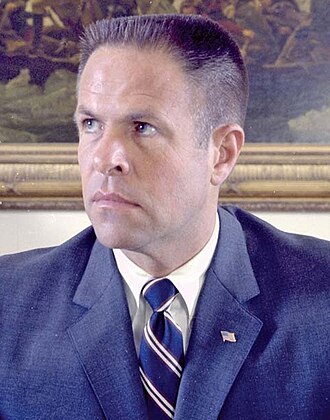
H. R. ("Bob") Haldeman served as President Richard Nixon's White House Chief of Staff from January 1969 until his resignation in April 1973. Acting as Nixon's primary gatekeeper and closest aide, Haldeman was a central figure during the White House taping period and is featured prominently in hundreds of recorded conversations. His tenure ended abruptly when he was forced to resign due to his deep involvement in the Watergate cover-up, most notably captured directing the obstruction of justice on the infamous "Smoking Gun" tape.
What Haldeman talks about on the tapes
Public relations 579Vietnam War 411Political strategy 286Foreign Policy 234Presidential scheduling 209Economic policy 202Henry Kissinger 195Congressional relations 176Press relations 161Watergate 159White House operations 151White House administration 145
Conversations (2,364)
— Page 16 of 24President Nixon, H.R. Haldeman, and Charles Colson met to discuss various political strategies, focusing heavily on managing press relations and public perception regarding the administration. The conversation addressed the potential resignation of John Mitchell due to his wife Martha's instability and the fallout from the Watergate break-in, with the participants strategizing how to frame Mitchell's departure as a personal decision to support his family. Additionally, Nixon directed his staff to research historical precedents for amnesty to counter political opponents, discussed the upcoming press conference schedule, and reviewed administrative control over public broadcasting appropriations.
President Nixon and H. R. Haldeman met to coordinate logistical arrangements for an upcoming trip to Camp David. The discussion focused on scheduling details involving Henry Kissinger, John Ehrlichman, and necessary support staff, as well as preparations for a forthcoming presidential press conference. The participants finalized personnel plans and delegated tasks related to the trip's briefing materials.
President Nixon and H. R. Haldeman engaged in a brief telephone consultation to coordinate the President's upcoming schedule. The discussion focused on logistical planning and the arrangement of official appointments. No specific policy decisions were finalized during this exchange, as the conversation served primarily to facilitate administrative workflow.
President Nixon and H.R. Haldeman discuss the President's schedule, including his potential plans to travel to Camp David for the evening. The brief exchange touches on the efficiency of handling tasks via telephone and coordinating the President's availability. No major policy decisions are recorded, as the conversation focuses primarily on logistics and workflow management.
President Nixon and H. R. Haldeman engaged in a brief telephone conversation to coordinate administrative tasks and internal planning. The discussion centered on prioritizing ongoing projects to maintain momentum within the White House staff. No specific policy decisions were finalized, as the dialogue served primarily as a check-in to ensure alignment on current operational objectives.
President Nixon and H. R. Haldeman met to discuss the specific handling and physical presentation of sensitive documents. Nixon issued explicit instructions to avoid sealing the materials, emphasizing that they should be hand-delivered. This exchange highlights the administration's cautious and unconventional approach to managing internal communications during this period.
H. R. Haldeman coordinated with the White House operator to initiate a telephone conversation with Charles W. Colson. Although the recording is largely unintelligible and lacks a formal transcript, the interaction represents a routine administrative effort by the Chief of Staff to establish direct communication with his special counsel. No specific policy developments or substantive decisions are discernible from the available record of this brief exchange.
President Nixon consulted with H.R. Haldeman, who was meeting with John Mitchell, to coordinate the administration's stance on ongoing federal and state prosecutions in New Jersey. They expressed concern that the prosecutors involved were Republicans, lamenting this instance of political "cannibalism" within the party. Nixon ultimately decided to maintain a "no comment" position regarding the pending legal matters during his upcoming press conference.
President Nixon and H. R. Haldeman briefly discuss a legal matter concerning a New Jersey-based investigation involving prosecutors. The conversation centers on the political or judicial implications of this specific case as it relates to the administration. No definitive action items are established during this short exchange, as the dialogue serves primarily as an update on ongoing legal developments.
President Richard Nixon met with Chief of Staff H. R. Haldeman in the Old Executive Office Building to discuss current administrative priorities and management of White House staff operations. While specific details remain undocumented due to the lack of a transcript, these brief consultations typically centered on addressing urgent political challenges or internal personnel matters. The meeting served as a routine touchpoint between the President and his primary aide to ensure alignment on ongoing executive objectives.
President Nixon met with H.R. Haldeman and Henry Kissinger to strategize for an upcoming press conference, focusing on Vietnam policy, troop withdrawals, and the handling of persistent Watergate-related questions. The conversation included significant discussion regarding John Mitchell’s resignation as campaign manager and the volatile public behavior of his wife, Martha Mitchell, following the break-in. Additionally, the participants reviewed the President's schedule, pending social security legislation, and internal administrative staffing matters within the White House.
President Nixon and H.R. Haldeman conducted an extensive post-mortem review of the President's recent press conference, analyzing his performance, the style of his responses, and the media's reaction. They discussed a broad range of policy issues addressed during the session, including the Supreme Court's stance on the death penalty, Vietnam troop withdrawals, and concerns regarding food prices and the economy. Additionally, the President issued specific directives regarding a potential veto of the public broadcasting appropriation bill and discussed political strategies for managing press relations.
President Nixon, H. R. Haldeman, and Charles Colson met to evaluate the President’s recent press conference performance and discuss broader strategies for countering perceived media bias. The participants scrutinized press hostility toward the administration, specifically analyzing how to manage factual errors in reporting and mobilize an organized response to unfavorable coverage. They also assessed the political implications of George McGovern's campaign statements and debated the effectiveness of past communication styles compared to those of previous administrations.
President Nixon met with John Mitchell, H.R. Haldeman, George Shultz, and John Ehrlichman to discuss political strategy and personal staffing matters. A significant focus of the meeting was the potential resignation of John Mitchell and the mounting pressures on his wife, Martha Mitchell, regarding their public life and the 1972 campaign. The participants also discussed administrative policy, specifically welfare reform, and the ideological leanings of recent Supreme Court appointees.
H. R. Haldeman and John D. Ehrlichman consulted via telephone to discuss the political fallout from the President’s recent press conference. The pair also assessed the current status of an ongoing vote in the House of Representatives. This dialogue served as a strategic check-in regarding legislative developments and the administration's public messaging following recent media exposure.
President Nixon met with H.R. Haldeman, Richard Kleindienst, and Caspar Weinberger to address a wide-ranging agenda including Social Security legislation, death penalty policy following Supreme Court rulings, and security preparations for the upcoming national political conventions. The discussion also covered the health of George C. Wallace and administrative personnel matters. Finally, the group engaged in a detailed dialogue regarding the burgeoning Watergate investigation, specifically focusing on the contents of E. Howard Hunt’s safe, FBI involvement, and potential strategies to manage the political fallout and legal ramifications of the break-in.
President Nixon met with H.R. Haldeman, Stephen Bull, and Richard Moore to discuss the ongoing political and legal fallout following the recent Watergate break-in. The participants evaluated the administration's strategic response to the burgeoning scandal, focusing on controlling the narrative and managing potential investigations. The discussion centered on containment measures and internal assessments of how to mitigate the damage caused by the unauthorized entry at the Democratic National Committee headquarters.
President Nixon, H.R. Haldeman, and Clark MacGregor held an extensive meeting to discuss legislative business, specifically the Social Security bill, alongside a major focus on the emerging Watergate scandal. The participants coordinated efforts to manage the political fallout and investigation regarding the Committee to Re-elect the President, including the involvement of G. Gordon Liddy, E. Howard Hunt, and John Mitchell. They deliberated on creating a strategic 'scenario' to handle the cover-up, addressed campaign finance irregularities, and managed the optics of John Mitchell's potential resignation.
President Nixon and H. R. Haldeman met to refine the text and strategic rollout of the President's upcoming July 4, 1972, Bicentennial address. They discussed stylistic edits to the speech, specifically rejecting an overly demanding tone and ordering a reduction in length to approximately 1,500 words. Furthermore, they finalized logistics for the broadcast, including timing arrangements for radio and television coverage and the inclusion of a 90-second film clip for evening news programs.
President Nixon met with H. R. Haldeman and Stephen B. Bull to coordinate the strategic response to John N. Mitchell's resignation as chairman of the Committee to Re-elect the President, specifically discussing the timing of press releases and public statements. The group also addressed administrative scheduling, including the President's attendance at Dabney Hibbert's wedding and coordination with NSC staff regarding anecdotes from his recent trip to the Soviet Union. Additionally, the President discussed budget meetings with Caspar Weinberger and communicated a preference for a saltwater swimming pool over a tennis court in response to a gift offer from Ambassador Walter H. Annenberg.
H. R. Haldeman contacts the White House operator to facilitate a telephonic connection with Clark MacGregor. The primary purpose of this brief exchange is to initiate communication with MacGregor, who served as the chairman of the Committee for the Re-Election of the President. No further policy discussions or significant strategic decisions occur during this administrative bridge to the requested party.
H. R. Haldeman and Clark MacGregor engaged in a telephone conversation to discuss matters related to the Nixon reelection campaign and political strategy. Given the lack of a transcript and the presence of withdrawn material, the specific nature of their discourse remains classified. The discussion appears to focus on high-level coordination between the White House and the Committee for the Re-Election of the President.
President Nixon and H. R. Haldeman met with Julie Nixon Eisenhower and other staff to discuss the first family's public relations strategy, scheduling for upcoming events, and the political climate. A significant portion of the conversation focused on the resignation of John N. Mitchell, with the President coordinating how the administration would address media inquiries regarding the departure and the ongoing Watergate investigation. They also evaluated the effectiveness of recent speeches given by family members and discussed the political implications of upcoming travels and appearances.
President Nixon and H. R. Haldeman discussed potential vacation retreats, specifically evaluating Thomas B. McCabe’s Assateague Island property as a private alternative to Camp David. The conversation shifted to media strategy, with Nixon and Haldeman reviewing Ronald Ziegler's approach to press relations, the benefits of Oval Office press conferences, and upcoming political events. Finally, they planned a summit meeting with the Japanese Prime Minister in Hawaii, emphasizing the importance of managing local ethnic sensitivities and coordinating with Senator Hiram Fong.
President Nixon met with Charles Colson and other staff members to navigate the ongoing political fallout from the Watergate break-in, specifically focusing on the legal jeopardy of figures like Jeb Magruder and E. Howard Hunt. Beyond the scandal, the participants discussed scheduling entertainment for a visit by Italian Prime Minister Giulio Andreotti, strategic press relations, and potential labor support from the Teamsters. Nixon emphasized maintaining a posture of confidence while directing staff to manage media interactions carefully to avoid appearing defensive.
President Nixon met with Charles Colson to manage White House correspondence and coordinate political strategy regarding the 1972 election. The discussion covered administrative matters, including a condolence call to Margaretta Rockefeller, and shifted to tactical planning regarding labor union support. They specifically analyzed George McGovern's political rhetoric regarding 'power brokers' and reaffirmed Nixon's strategy for maintaining relations with labor leaders like George Meany.
President Nixon met with businessman Armand Hammer to discuss ongoing trade negotiations with the Soviet Union, the status of Hammer's Occidental Petroleum company, and the possibility of recruiting Marvin Watson to assist the Nixon reelection campaign. Hammer provided detailed accounts of his long-standing history with Soviet leadership, including Lenin and Khrushchev, and updated the President on his efforts to improve U.S.-Soviet relations through art and business ventures. Following Hammer's departure, Nixon and H.R. Haldeman shifted focus to the Watergate scandal, specifically debating the legal strategies regarding immunity for campaign staff members Jeb Stuart Magruder and Hugh Sloan, Jr. to contain further investigations.
President Nixon met with Rose Mary Woods and H. R. Haldeman to discuss various administrative and political matters, including the military service records of the sons of political rivals such as Robert F. Kennedy and George McGovern. The group evaluated the performance and loyalty of several administration officials and cabinet members, drawing historical comparisons to the Eisenhower administration. Additionally, they reviewed reports on naval forces and discussed the procurement of American-made music boxes intended as gifts for foreign dignitaries.
President Nixon and H. R. Haldeman engaged in a brief telephone exchange regarding an unidentified matter. Due to the lack of a decipherable transcript, the specific substance of the discussion remains unrecorded. Consequently, no definitive policy decisions or administrative actions can be attributed to this conversation.
President Nixon met with H.R. Haldeman, Charles Colson, and Henry Kissinger to discuss sensitive political and national security matters, specifically the ongoing Watergate investigation and Vietnam peace negotiations. The group reviewed the potential for indictments involving Jeb Stuart Magruder and examined the strategic handling of federal investigations to protect the White House from entanglement. Additionally, the President and Kissinger discussed managing domestic opposition to the war, coordinating press strategy, and preparing for an upcoming meeting with congressional leaders regarding Vietnam.
President Nixon met with Alexander Butterfield and H. R. Haldeman to coordinate the President’s administrative schedule and discuss political developments. The discussion addressed the transition of John Mitchell following his departure from the Committee to Re-elect the President, specifically touching on his personal difficulties regarding his wife, Martha Mitchell. Additionally, the participants reviewed ongoing 1972 campaign polling data and recent interactions with administration officials.
President Nixon met with his Cabinet and senior staff to discuss strategies for achieving a balanced federal budget by 1975, emphasizing the necessity of immediate spending cuts and potential vetoes of congressional legislation to curb inflation. Budget Director George Shultz outlined the administration’s plan to issue "ceiling letters" to agency heads to enforce strict fiscal guidelines and reduce government deficits. The participants also reviewed recent positive economic indicators, including growth in the Gross National Product and declining unemployment, while noting that the public generally views government spending as a primary driver of inflation.
President Nixon met with H. R. Haldeman, Clark MacGregor, and Robert J. Dole to strategize regarding the upcoming 1972 presidential campaign. The discussion focused on political maneuvering and the coordination of campaign efforts in the lead-up to the election. While a significant portion of the meeting was withdrawn from public record, the session served as a tactical planning assembly for the administration's political team.
President Nixon met with George Shultz and H.R. Haldeman to discuss strategies for leveraging favorable economic news while managing the administration's public image amidst ongoing tensions with Congress. They reviewed the political impact of recent labor developments, specifically addressing the fallout from the withdrawn transportation strikes legislation and planning a coordinated announcement regarding Vice President Spiro Agnew. Throughout the discussion, the President emphasized the importance of media relations and directed staff to prioritize public relations strategies in upcoming legislative conflicts.
H. R. Haldeman and Press Secretary Ronald Ziegler coordinated the logistical arrangements for a significant upcoming administration announcement scheduled for the following morning. The two discussed potential briefing formats, weighing the pros and cons of a morning press conference versus a direct call-out to media. They agreed to finalize the execution strategy later, while emphasizing that the President would remain uninvolved and that any public disclosure should be delayed to avoid distracting from the day's current economic news coverage.
President Nixon met with H. R. Haldeman, Vice President Spiro Agnew, and John Mitchell to coordinate political strategy for the 1972 reelection campaign. The group discussed campaign logistics, including the use of chartered aircraft, and framed messaging on key issues such as foreign policy, draft-dodgers, and amnesty. Additionally, they reviewed plans for Agnew’s formal renomination announcement, strategies for managing legislative hurdles in Congress, and the importance of engaging with lawmakers to maintain party unity.
President Nixon and Henry Kissinger discussed legislative and political strategies regarding the Vietnam War, specifically focusing on the potential passage of the Mansfield Amendment and its impact on ongoing peace negotiations. Kissinger provided a report on his recent interactions with Senator Mike Mansfield and Eugene McCarthy, noting their willingness to assist the administration. The conversation also covered upcoming diplomatic trips to Moscow and Japan, concerns over negative media coverage of bombing raids, and a review of recent polling data concerning the 1972 election and Senator George McGovern's platform.
President Nixon contacted H. R. Haldeman at Camp David to discuss the day's leisure activities and local weather conditions. The two men compared the extreme heat in Washington, D.C., with the relatively more comfortable environment at the retreat. They concluded the call by coordinating a brief, informal meeting to address pending administrative matters.
President Nixon and H.R. Haldeman met at the Aspen Lodge at Camp David to briefly discuss their schedules and coordinate a time for a formal briefing. The exchange served as a casual logistical check-in to arrange a follow-up meeting later that day. No substantive policy matters were addressed during this short, introductory dialogue.
President Nixon and H. R. Haldeman met at Camp David to conduct a comprehensive review of the 1972 reelection campaign strategy. They discussed tactical decisions, including the refusal to debate George McGovern, the use of Clark MacGregor as a campaign surrogate, and managing media appearances to avoid providing McGovern with excessive national exposure. Additionally, they reviewed potential personnel changes within the administration and the Secret Service, and evaluated polling data regarding key states and voter attitudes toward campaign issues.
President Nixon and H. R. Haldeman coordinated their monitoring of televised Sunday talk shows, specifically focusing on John Connally’s upcoming appearance and George McGovern’s potential policy vulnerabilities regarding foreign aid and international relations. The pair discussed the political strategy of addressing McGovern’s debate requests, with both agreeing that the early proposal had been effectively neutralized by campaign staff. Additionally, they reviewed the positive media coverage surrounding Vice President Spiro Agnew’s recent press conference and discussed the timing of press reports regarding the firing of G. Gordon Liddy in relation to the FBI investigation.
President Nixon and H.R. Haldeman briefly conferred at Camp David to coordinate their viewing of a television program featuring Conway, which the President felt obliged to monitor. The pair discussed the program's anticipated content and exchanged brief observations regarding the ongoing media narrative surrounding current headlines. The interaction served primarily as a logistical check-in for the President's afternoon schedule.
President Nixon dictates a memorandum to H. R. Haldeman regarding the sensitive handling and restricted distribution of a specific document. He clarifies that the file should remain solely within Haldeman's office and must not be circulated to other files. This directive emphasizes the President's intent to maintain strict confidentiality and control over the record's location.
President Nixon dictates a memorandum to H. R. Haldeman and Henry Kissinger regarding follow-up actions from his recent discussion with Ronald Reagan, including potential adjustments to U.S. policy on Irish Airlines. The President also outlines strategic objectives for upcoming meetings with foreign leaders, specifically emphasizing the need for a unified Western stance on nuclear defense and European security ahead of negotiations with the Soviet Union. To manage his schedule, Nixon directs staff to limit foreign minister meetings, suggesting that his engagement with Sir Alec Douglas-Home be handled via a casual breakfast or a private trip on the presidential yacht, Sequoia.
President Nixon and H. R. Haldeman evaluate recent television media appearances by political figures, specifically focusing on the performance of a candidate who pledged to remain in the Democratic Party. The discussion highlights the administration's assessment of interview tactics, media scrutiny, and the perceived effectiveness of the candidate's messaging. Nixon ultimately concludes that their preferred candidate outperformed the opposition, dismissing the significance of the media coverage as largely inconsequential.
President Nixon and H. R. Haldeman reviewed recent television interviews featuring Democratic presidential candidate George McGovern and former Treasury Secretary John Connally. The discussion focused on comparing their respective performances, with Nixon expressing high satisfaction with Connally's ability to act as a political "lightning rod" for the administration. They analyzed McGovern's vulnerabilities regarding labor support, foreign policy stances on Vietnam, and shifting economic proposals, ultimately concluding that Connally's effective critique of McGovern provided the administration with a significant political advantage.
President Nixon met with H.R. Haldeman at Camp David to dictate a formal memorandum. While significant portions of the recording are classified as personal and withheld from the public record, the discussion focused on administrative instructions and presidential directives. No policy shifts or political strategies were captured in the available transcript material.
President Nixon and H.R. Haldeman reviewed the President’s upcoming schedule, focusing on facilitating direct lines of communication with John B. Connally and managing various White House staff members. They discussed logistics for an upcoming meeting with Connally, the coordination of Raymond K. Price’s speechwriting staff, and arrangements for a photograph opportunity involving drug enforcement officials. Stephen B. Bull joined the discussion to finalize the scheduling and press arrangements for these briefings.
President Nixon and H. R. Haldeman engaged in a brief telephone consultation to coordinate matters of internal administration. While specific details remain obscured due to the lack of an available transcript, the discussion likely focused on ongoing personnel or policy management issues common to their daily briefings. This short exchange serves as a reference point for further investigation into administrative directives coordinated during the summer of 1972.
President Nixon and H. R. Haldeman held a brief meeting in the Old Executive Office Building to discuss administrative or political matters. While specific details remain obscured by redactions, the exchange serves as a record of high-level communication between the President and his Chief of Staff. No clear policy outcomes are discernible from the available transcript fragments.
President Nixon, John Connally, and H.R. Haldeman met to discuss political strategy for the 1972 campaign, focusing on managing relations with Lyndon B. Johnson, George McGovern, and key demographic groups. The discussion covered the use of national defense spokespeople like John S.D. Eisenhower, methods for handling sensitive presidential dictations to prevent leaks, and the need for more persuasive, 'catchy' messaging in press materials. Nixon also emphasized the importance of maintaining strict control over staff activities and ensuring that all political communication remains aligned with his campaign's strategic goals.
President Nixon and H.R. Haldeman met at the Aspen Lodge to discuss brief logistics regarding the day's leisure activities at Camp David. The participants exchanged casual remarks concerning the weather and a suggestion for playing tennis. No substantive policy matters or administrative decisions were recorded during this brief encounter.
President Nixon met with H.R. Haldeman, Ronald Ziegler, and other staff members to strategize for the 1972 presidential campaign, specifically focusing on fundraising, speech preparation for the Republican National Convention, and managing press relations. They discussed the political fallout surrounding the Thomas Eagleton health controversy, the management of the Committee to Re-elect the President, and the ongoing investigation into the Watergate break-in. Nixon emphasized the importance of maintaining a presidential posture during press conferences while utilizing staff to counterattack the opposition on issues of incompetence and foreign policy.
President Nixon met with H. R. Haldeman, Charles Colson, and members of Colson's staff to discuss administrative communications strategy, the role of cabinet members in defending policy, and political outreach. The discussion focused on using cabinet officials as effective surrogates to promote conservative judicial appointments and defend administration policies to specific audiences, such as law enforcement groups. Additionally, the President touched upon concerns regarding rising food prices and the necessity of cultivating aggressive, action-oriented leadership within the State and Defense departments.
President Nixon met with various staff members and officials to discuss a wide array of administrative, foreign policy, and political matters. The President reviewed his upcoming schedule and foreign affairs, including a review of the House Foreign Affairs Committee's narrow vote to mandate a U.S. military withdrawal from Vietnam. Additionally, H. R. Haldeman coordinated with the President and Vice President Agnew to enforce a strict no-comment policy regarding the personal affairs of Thomas Eagleton, while discussions also touched on campaign strategy and potential coordination with George Wallace's associates.
H. R. Haldeman initiated a request through the White House operator to contact Vice President Spiro T. Agnew, who was currently traveling in Washington State. Following a brief discussion with President Nixon, Haldeman coordinated the logistics of the call. The primary objective of the communication was to verify the Vice President's schedule.
H. R. Haldeman directed the White House operator to locate Clark MacGregor for an urgent discussion. The operator informed Haldeman that MacGregor was traveling through Pennsylvania, New Jersey, and New York. Haldeman insisted that the operator track MacGregor down to establish contact despite his active campaign schedule.
H. R. Haldeman coordinates a telephone conversation with Senator Robert J. Dole to discuss administration business. After initial difficulty reaching the Senator due to his involvement in another call, Haldeman instructs the White House operator to have Dole return the call directly to his line. The brief exchange focuses primarily on logistical arrangements for communication between the White House and the Senator.
H. R. Haldeman coordinates with the White House operator to establish communication with Vice President Spiro T. Agnew regarding his current availability. Haldeman requests that the operator facilitate a call as soon as the Vice President returns to his office. The interaction serves as a logistical bridge to ensure a direct conversation between the two officials.
H. R. Haldeman and Clark MacGregor discussed the breaking news that Democratic vice-presidential nominee Thomas Eagleton had disclosed a history of hospitalizations for mental health treatment, including electric shock therapy. MacGregor confirmed his prior awareness of Eagleton’s medical records and noted reports of a potential additional hospitalization at Johns Hopkins that Eagleton failed to mention. To manage the political fallout, Haldeman relayed the President's strict instructions for the campaign staff to maintain a policy of silence regarding the matter.
H. R. Haldeman and Senator Robert Dole coordinated the administration's public response to the recent disclosure of Thomas F. Eagleton’s health issues. Haldeman relayed President Nixon’s explicit directive that all campaign staff and party officials maintain a policy of no comment regarding Eagleton’s personal situation. The participants agreed that silence was the optimal strategy, anticipating that the controversy would naturally resolve itself without Republican intervention.
H. R. Haldeman coordinated with Vice President Spiro Agnew to establish a unified White House stance regarding the news of Senator Thomas Eagleton’s health issues. The President issued explicit instructions for all campaign associates, including Robert Dole and Clark MacGregor, to refrain from making any public comments on the matter. Haldeman confirmed that the administration would avoid involvement, allowing the Democratic campaign to manage the emerging crisis independently.
President Nixon met with his senior advisors to discuss political strategy for the 1972 campaign, specifically focusing on the emerging controversy regarding Democratic vice-presidential nominee Thomas F. Eagleton. Nixon directed his staff to maintain a public stance of non-interference, aiming to exploit the contrast between his own steady governance and the perceived instability within the McGovern campaign. The group also evaluated administrative management, press relations, and the scheduling of various diplomatic and political engagements.
President Nixon met with H. R. Haldeman and Stephen B. Bull to review preparations for an upcoming 'Evening at the White House' event featuring Johnny Cash and June Carter Cash. The discussion centered on logistics for the performance, including coordination with William E. Brock III and William E. Timmons, as well as managing press coverage for the event. The group confirmed that scheduling arrangements were proceeding satisfactorily.
This recorded session includes a substantive meeting between President Nixon, H.R. Haldeman, Ronald Ziegler, and others regarding the 1972 presidential campaign and potential political messaging. Key discussions focused on the health of Democratic vice-presidential nominee Thomas Eagleton, the Republican response strategy, and assessments of Cabinet members like George Shultz. Following this, the President held a ceremonial meeting that included photographs, the display of White House state gifts, and casual conversation with visitors.
President Nixon and H. R. Haldeman met briefly in the Old Executive Office Building to address an unspecified matter. The discussion remained brief and inconclusive, serving primarily as an acknowledgment of an unknown issue. No specific decisions or further actions were recorded during this brief exchange.
President Nixon and H. R. Haldeman met to discuss strategic considerations regarding a potential meeting with George C. Wallace. The discussion focused on the political implications of such an engagement and how it might fit into the administration's broader electoral agenda. No specific action items were finalized beyond the initial conceptualization of the encounter.
President Nixon met with H.R. Haldeman, Charles Colson, and Ronald Ziegler to coordinate the administration's political strategy regarding the 1972 presidential campaign. The discussion focused on distancing the President from campaign chair Clark MacGregor’s unauthorized public comments concerning Senator Thomas Eagleton's medical history. Additionally, the group strategized on leveraging Senator George McGovern’s controversial stances on foreign aid to Greece and national defense as political wedges to secure support from key voting blocs.
President Nixon consulted with H. R. Haldeman regarding Clark MacGregor’s performance and the fallout from a recent press conference involving Nelson Rockefeller. The discussion focused on managing political messaging, including the potential for future briefings directed at Cabinet members and the spouses of administration officials. They further addressed Rockefeller’s assessment of MacGregor as they strategized on internal political coordination.
President Nixon and H. R. Haldeman engaged in a brief telephone consultation regarding internal administration matters. The discussion focused on coordinating ongoing policy or political tasks, though specific details remain obscured due to the lack of a transcript. This interaction highlights the regular communication loop between the President and his Chief of Staff during the summer of 1972.
President Nixon and H. R. Haldeman engaged in a brief telephone consultation to address internal administrative or strategic matters. Although specific details of the discussion remain unavailable due to an unintelligible recording, the exchange reflects ongoing communication between the President and his Chief of Staff regarding White House operations. No definitive policy outcomes or further action items can be verified from this segment.
President Nixon met with his staff and advisors to review his recent press conference, assessing its effectiveness in countering criticism of his Vietnam policy and the perceived "double standard" of his critics. Nixon and his team discussed strategies to further neutralize opposition, including coordinating public relations efforts against negative media coverage and managing congressional resistance to his war policy. The President also reviewed his upcoming schedule, including golf outings and social engagements, while coordinating sensitive communication channels with key political allies like John Connally.
President Nixon, H. R. Haldeman, and Henry Kissinger met to coordinate the President's upcoming travel to Louisiana for the funeral of Senator Allen J. Ellender and to manage Congressional pressure regarding Vietnam peace negotiations. Nixon and Kissinger strategized on how to leverage the funeral to build bipartisan political support, while Kissinger updated the President on diplomatic efforts with British officials and observations from W. Averell Harriman regarding the 1972 election. The group concluded by emphasizing the need for a cautious public posture on Vietnam to prevent Congressional interference from undermining ongoing sensitive negotiations.
President Nixon met with his senior aides and advisors to manage his political schedule and address several pressing crises, including the 1972 presidential campaign, the Watergate investigation, and military policy in Vietnam. The group strategized on how to deflect negative press coverage, particularly concerning Senator Thomas Eagleton's status on the Democratic ticket, and sought to minimize the political fallout from the impending Watergate grand jury indictments by favoring legal delays until after the election. Additionally, they coordinated a messaging strategy to have the State Department, rather than the Defense Department, provide briefings on North Vietnamese dike bombings to maintain greater public credibility.
President Nixon and H.R. Haldeman briefly discussed the political status of Senator Thomas Eagleton following reports that he intended to remain on the Democratic presidential ticket. They addressed conflicting narratives regarding whether the McGovern campaign had requested Eagleton's resignation. The discussion focused on assessing the media's coverage of these developments and determining the potential impact of the situation on the Democratic party's internal stability.
President Nixon met with Alexander Butterfield, H.R. Haldeman, Stephen Bull, Henry Kissinger, and James Eastland to address several administrative and political matters. The President instructed Butterfield to modify Secret Service protocols for Tricia Nixon Cox, emphasizing a desire for less intrusive protection during unannounced personal activities. Nixon also reviewed political developments regarding Thomas Eagleton’s status on the Democratic ticket and consulted with Kissinger on ongoing US-Soviet diplomatic relations and SALT negotiations. Additionally, Nixon coordinated travel arrangements with Senator Eastland to attend the funeral of Senator Allen Ellender.
President Nixon and H. R. Haldeman briefly discuss logistical arrangements for the President's upcoming visit to the Burning Tree Country Club. The dialogue focuses on coordinating the timing of their departure and meeting points for the trip. No major policy decisions are reached, as the exchange is limited to scheduling details.
President Nixon and H. R. Haldeman engaged in a brief, informal telephone conversation while at Camp David. The discussion primarily focused on recreational plans, specifically checking the viability of playing tennis given the weather conditions. No significant political decisions or administrative actions were recorded during this brief exchange.
President Nixon met with H.R. Haldeman at Camp David to dictate a political memorandum and provide specific instructions regarding its limited distribution. The President emphasized that the document was restricted to a single file copy and was not to be shared further. The meeting was briefly interrupted by an unknown individual requesting newspapers before the President resumed his administrative tasks.
President Nixon met with H. R. Haldeman at the Aspen Lodge study to dictate a formal memorandum. While the specific substance of the correspondence remains restricted as a personal record, the meeting served as an administrative session to document presidential directives. No further details regarding the contents or subsequent action items are available due to the withdrawal of the recorded segment.
President Nixon and H.R. Haldeman discuss the logistics of First Lady Pat Nixon’s potential attendance at Senator Allen J. Ellender’s funeral, specifically weighing the optics of changing previous plans to exclude her against the benefit of her presence. The President ultimately decides she should attend, prioritizing political impact over the convenience of congressional spouses. During the discussion, Nixon also briefly disparages the individuals responsible for the Watergate break-in, labeling the operation as an act of stupidity.
President Nixon and H.R. Haldeman discuss the management of a sensitive personal situation involving an individual's absence due to an infection. The dialogue focuses on ensuring that the public or private narrative regarding her inability to attend is handled consistently to avoid potential complications. Haldeman provides reassurance to the President that the current approach is the most effective course of action for the administration.
President Nixon met with his economic advisors and key staff, including George Shultz, Caspar Weinberger, Herbert Stein, H.R. Haldeman, and John Ehrlichman, to refine the administration's public relations strategy regarding the economy ahead of the 1972 election. The group evaluated the political impact of inflation, unemployment, and food prices, concluding that the public primarily associated rising food costs with processors and middlemen rather than the administration. Nixon directed his team to avoid getting bogged down in minor press interviews and instead focus their efforts on high-impact television appearances and providing economic talking points for political surrogates to utilize in their campaigns.
President Nixon met with John Connally and H.R. Haldeman to discuss political maneuvering regarding the 1972 campaign, specifically focusing on Senate races and the handling of potential legal liabilities. They strategized on how to convince Republican candidates in Arkansas to withdraw to support powerful Democratic incumbents like John McClellan, who were seen as potential allies. Additionally, the participants addressed the imminent indictment of Jake Jacobsen, debating whether political influence could delay the process to protect Connally's interests and the "Democrats for Nixon" initiative.
President Richard M. Nixon and H. R. Haldeman engaged in a brief telephone conversation that was subsequently classified and withheld from the public record. Due to the withdrawal of the transcript and audio content, the specific substance of their discussion remains unavailable for historical analysis. Consequently, no policy decisions or action items can be verified from this exchange.
President Richard Nixon met with H. R. Haldeman in the Oval Office to address administrative or political matters. While specific details of the discussion remain restricted, the meeting served as a brief late-night consultation between the President and his Chief of Staff. One item from this recorded exchange has been officially withdrawn from public record, limiting the available insight into the session's specific action items.
President Nixon and H. R. Haldeman discussed strategies to exploit the political vulnerabilities of George McGovern following the controversy surrounding his running mate, Thomas Eagleton. They specifically strategized to attack McGovern’s judgment regarding the potential selection of Lawrence O'Brien, while opting to withhold a sensitive letter from Fort Wayne to avoid a public backlash similar to historical precedents. The President instructed Haldeman to aggressively pursue and catalog derogatory information on their political opponents to leverage as needed.
President Nixon and H. R. Haldeman discuss the strategic timing of releasing campaign materials, specifically weighing the risks posed by ongoing negative media coverage in Cleveland. The pair assesses whether current political conditions make the public release of these items premature or potentially damaging. They ultimately reach a consensus to delay action, opting to keep the sensitive documents in reserve.
President Nixon, H. R. Haldeman, and Charles Colson met to discuss campaign strategy, press relations, and economic policy ahead of the 1972 election. They evaluated tactics for addressing inflation and debated how to effectively frame political messaging, including the potential to leverage questions about campaign finance and foreign funding against George McGovern. Additionally, the President expressed frustration with campaign official Clark MacGregor's public criticisms of the staff, leading the group to discuss the necessity of maintaining discipline and secretly recording interviews for future protection.
President Nixon met with H.R. Haldeman and other staff to review the status of the Watergate investigation, focusing on maintaining the secrecy of White House involvement and managing the legal exposure of committee officials. The participants discussed grand jury strategies, the handling of potential indictments for figures like Jeb Stuart Magruder, and efforts to discredit political opponents by tying them to Howard Hughes. They concluded that while the scandal was a "powder keg," they had successfully minimized the immediate damage and expected to avoid trial-related repercussions until after the upcoming election.
H. R. Haldeman utilized the White House operator to initiate a telephone call to Special Counsel Charles W. Colson. Following a brief connection facilitated by the operator, the two men engaged in a private discussion lasting over a minute. The primary objective of the interaction was to coordinate a direct communication between these two key Nixon administration figures.
President Nixon and H.R. Haldeman discussed the content and purpose of films being produced for the Republican National Convention. They reviewed various segments, including footage of the President's trip to the Soviet Union, his family, and his interactions with foreign leaders, debating the effectiveness and potential use of specific scenes, such as the Tanya Savicheva story. The conversation also touched upon campaign budget controls, the General Accounting Office investigation, and the Watergate affair, with Mitchell expressing concerns about Martha Mitchell's behavior and potential treatment options.
H. R. Haldeman consulted with President Nixon regarding administrative coordination and scheduling, including a planned trip to Walker's Cay. During this time, Haldeman also attempted to facilitate a telephone conversation with John N. Mitchell. The exchange concluded with the White House operator informing Haldeman that Mitchell was currently occupied with guests and would return the call shortly.
H. R. Haldeman and John Mitchell coordinate a dinner meeting between President Nixon, John Connally, Herbert Brownell, and Mitchell himself. Haldeman emphasizes the President's desire for Mitchell’s attendance, noting that the event should be rescheduled if Mitchell is unavailable. Mitchell agrees to contact Brownell to verify their schedules and determine the feasibility of holding the meeting that evening.
President Nixon, H.R. Haldeman, and Henry Kissinger discuss strategies for maintaining Senate support for the administration’s Vietnam policy, specifically regarding an amendment sponsored by Senator George D. Aiken. Nixon and Kissinger emphasize the sensitivity of ongoing Paris peace negotiations and the necessity of preventing congressional interference that might undercut their diplomatic leverage. The participants also coordinate the President’s upcoming schedule, including logistical details for a potential weekend trip to the McCabe residence and medical arrangements involving Dr. W. Kenneth Riland.
President Nixon and H. R. Haldeman engaged in an extensive series of consultations regarding staffing and political strategy for the 1972 re-election campaign. Key discussions focused on absorbing George Wallace's political organization into the Nixon campaign, managing Cabinet-level appointments like those for the Secretary of the Army, and addressing specific policy issues including food price inflation, school busing, and environmental legislation. The President also reviewed strategies for leveraging administrative power to influence corporate contracts and pressured staff to develop immediate, high-visibility economic actions to address public concerns before the Republican National Convention.
President Nixon met with H.R. Haldeman and John Ehrlichman to discuss political strategy, the administration's use of federal investigative agencies, and upcoming personnel decisions. The President expressed frustration that the administration was not effectively using its power to investigate political opponents, specifically focusing on Lawrence O'Brien and the Democratic National Committee. They also discussed managing cabinet expectations regarding potential reappointments and coordination with figures like Herbert G. Klein and John Mitchell for forthcoming events.
President Richard Nixon and H.R. Haldeman met briefly to coordinate administrative matters within the Executive Office Building. While the specific transcript is largely inaudible, the meeting served to facilitate brief communication between the President and his Chief of Staff. No major policy decisions were captured in this short exchange.
President Nixon met with H.R. Haldeman, Charles Colson, and Henry Kissinger to coordinate administration strategy regarding the 1972 reelection campaign, foreign policy outreach, and logistical planning for upcoming domestic travel. The group discussed utilizing surrogate outreach to build bipartisan support for the Strategic Arms Limitation Treaty (SALT) and managing the President's visits to flood-stricken areas in Wilkes-Barre and Elmira to highlight disaster relief legislation. Additionally, Nixon emphasized the need for aggressive political tactics—specifically the use of derogatory campaign literature linking opponents to George McGovern—and reviewed economic data concerning food prices and inflation with his staff.
President Nixon met with his senior advisors, including H. R. Haldeman and John Ehrlichman, to discuss administrative strategy, personnel changes, and political damage control ahead of the 1972 election. A significant portion of the discussion focused on managing rising food prices and the potential political fallout, with the President exploring aggressive options like a temporary price freeze on meat. Additionally, they reviewed plans to leverage the IRS to investigate political opponents, such as Lawrence O'Brien, and finalized shifts in cabinet and sub-cabinet personnel to ensure greater control in a potential second term.