Butterfield, Alexander P.
Alexander P. Butterfield served as Deputy Assistant to President Nixon from January 1969 to March 1973, a role in which he oversaw the installation and operation of the secret White House taping system. In March 1973, he transitioned out of the White House to become the Administrator of the Federal Aviation Administration (FAA). While serving as FAA Administrator in July 1973, Butterfield famously testified before the Senate Watergate Committee and publicly revealed the existence of the taping system he had previously managed.
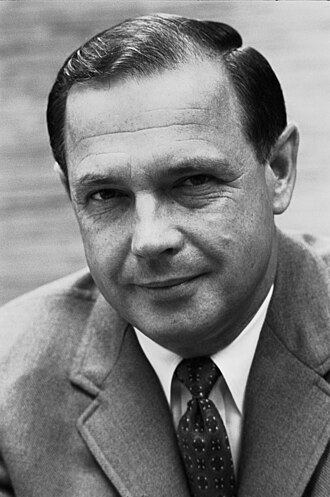
What Butterfield talks about on the tapes
Presidential scheduling 225White House administration 163Presidential schedule 158White House operations 153Public relations 133Vietnam War 113Logistics 83White House logistics 82Foreign Policy 75Henry Kissinger 66Economic policy 62Scheduling 59
Conversations (1,038)
— Page 6 of 11President Nixon, William P. Rogers, and Henry Kissinger met to deliberate on the escalating military tension between India and Pakistan and the potential necessity for UN intervention. The President expressed concern that a conflict would jeopardize his upcoming trip to the People's Republic of China, leading the group to discuss the delicate balance of diplomatic timing and the constraints of working with the UN Security Council. They ultimately reached a consensus to defer immediate action until after key upcoming events, including a scheduled speech by Indira Gandhi and further consultations regarding Chinese interests.
Alexander P. Butterfield met with unidentified individuals in the Oval Office while the President was located in the White House residence. The brief exchange concerns the handling of an unspecified item or document that required the participants to be prepared. No substantive policy discussions were recorded, and the interaction concluded with the visitors departing the office.
President Nixon and Alexander P. Butterfield met to coordinate the President's upcoming daily schedule, specifically reviewing appointments with John B. Connally and George E. Allen. They discussed the logistics for an upcoming Cabinet meeting, which included agenda items concerning John A. Volpe's reports and Phase II economic policies. Additionally, the pair coordinated the scheduling and press strategy for the Cost of Living Council meeting involving Donald Rumsfeld and other economic officials.
President Nixon and Alexander P. Butterfield briefly met to coordinate the President’s daily schedule. The primary focus of the discussion was confirming the timing for a meeting with George P. Shultz. The conversation concluded with no major policy decisions, serving only as a logistical check-in regarding administrative appointments.
President Nixon and Alexander P. Butterfield held a brief morning meeting to review and confirm the President’s daily schedule. The discussion centered on upcoming appointments with key advisors, specifically John D. Ehrlichman, George P. Shultz, and H. R. Haldeman. No substantive policy matters were addressed during this administrative check-in.
President Nixon met with his Cabinet officers to discuss a variety of domestic and international issues, including transportation leadership, government funding through a continuing resolution, and the cultivation of opium poppies in Turkey. The conversation also touched upon administrative transitions, such as the departure of Secretary of Agriculture Clifford Hardin, and strategies for managing the national economy and price controls. Nixon emphasized the importance of maintaining clear leadership and coordination across departments to ensure the success of his domestic policy initiatives.
Alexander P. Butterfield met with Secret Service agents in the Oval Office to facilitate a technical maintenance task, specifically the changing of a recording tape. The brief exchange includes cryptic remarks regarding an unnamed individual's past behavior, professional grievances, and personal animosity. The primary purpose of the meeting was the physical operation of the White House taping system.
President Nixon met with George L. Grassmuck and Alexander P. Butterfield for a brief, informal session that included a photo opportunity and the presentation of gifts. The discussion touched upon personal history, including past campaign experiences and health-related anecdotes from Nixon's time as Vice President. Additionally, the President briefly discussed the political future of Robert H. Finch, emphasizing the importance of his current work before pursuing a potential Senate bid.
President Nixon met with Alexander P. Butterfield in the Oval Office to discuss administrative or scheduling matters regarding John D. Ehrlichman and Ronald W. Reagan. The brief meeting concluded within six minutes, though specific details regarding the nature of the deliberations remain undocumented due to the lack of an available transcript. No clear record of final decisions exists, as the interaction focused on high-level personnel coordination.
President Nixon met with Alexander P. Butterfield to discuss the strategic handling of a pending military appropriations bill. The pair coordinated the release of a formal press statement to be issued by Press Secretary Ronald L. Ziegler regarding the legislation. This brief consultation focused on aligning the administration's messaging concerning the bill's advancement.
President Nixon met with Alexander P. Butterfield in the Old Executive Office Building to discuss administrative details regarding the President’s personal schedule. The discussion specifically focused on coordinating a haircut appointment for the President. No significant policy decisions were recorded during this brief administrative interaction.
President Nixon and Alexander P. Butterfield coordinate the signing of administrative documents that Butterfield had been holding. Due to the President's immediate need to depart, they finalize a plan for Nixon to review and sign the materials in the Oval Office shortly thereafter. Butterfield agrees to facilitate the process by meeting the President while he is en route.
President Nixon met with Alexander P. Butterfield to coordinate the presidential schedule and review pending legislative matters. The discussion centered on a memorandum from Clark MacGregor regarding key senators—James O. Eastland, John C. Stennis, and Russell B. Long—and evaluated the potential for a presidential veto. Additionally, the President addressed strategic communications involving Charles W. Colson and John B. Connally.
President Richard Nixon met with Alexander P. Butterfield in the Oval Office to conduct administrative business, specifically the signing of documents. During the brief encounter, the two discussed the health status of an unidentified individual. Additionally, the conversation touched upon the schedule of Stephen B. Bull and the coordination of a telephone call originating from the President.
President Nixon met with H. R. Haldeman and later Julie Nixon Eisenhower to discuss public relations strategy following a contentious speech at the AFL-CIO convention and ongoing economic policy debates. The conversation centered on managing the administration's image, particularly regarding George Meany and the Pay Board, while planning future outreach efforts for the First Family. The President and his advisors emphasized leveraging family members for volunteer and community engagement events, specifically targeting key demographic groups and regions, to bolster support for his policies.
In this Oval Office meeting, President Nixon and Henry Kissinger coordinate U.S. foreign policy regarding the escalating military tensions between India and Pakistan. Kissinger expresses frustration with the State Department's perceived insubordination, advocating for a firmer stance against Indian military aggression while aligning more closely with Pakistani interests and Chinese diplomatic positions. The President directs Kissinger to issue sharp, clear warnings to both India and the Soviet Union regarding U.S. expectations, while strategically delaying UN Security Council involvement to better assess Chinese objectives.
President Nixon met with staff members Stephen Bull, Alexander Butterfield, and Manolo Sanchez to address administrative matters and logistics. The discussion focused on scheduling concerns, specifically regarding a Washington Redskins practice session and a requested phone call. The meeting concluded with the staff seeking and receiving instructions from the President before departing the Oval Office.
President Nixon met with Ronald L. Ziegler, Alexander P. Butterfield, and Stephen B. Bull to coordinate the administration's public messaging regarding the President's upcoming travel and potential attendance at a football game. The group discussed how to handle press inquiries amidst the uncertainty surrounding pending Senate action and other legislative matters on the President's desk. Ziegler received instructions to maintain a non-committal stance with the media, clarifying that no travel plans were finalized while keeping the possibility of a last-minute appearance open.
President Nixon met with Alexander P. Butterfield in the Oval Office to facilitate the delivery of unspecified materials. The brief, one-minute interaction focused solely on this exchange, concluding immediately upon the item's transfer. No further policy or administrative matters were discussed during this brief encounter.
President Nixon met with Alexander P. Butterfield, Rose Mary Woods, and Stephen B. Bull to discuss administrative logistics and personnel appointments. The conversation addressed the potential reassignment of Roger E. Johnson and evaluated various candidates for U.S. ambassadorial positions in Spain and Argentina. Additionally, the group touched upon the President’s upcoming schedule, including media appearances and his recognition as Time’s "Man of the Year."
President Nixon met with H. R. Haldeman and Alexander Butterfield to coordinate his upcoming schedule, specifically balancing personal travel to Florida and California with critical diplomatic and legislative demands. The discussion focused on managing the State of the Union timing in the face of potential Congressional conflicts and strictly curtailing foreign visitor meetings to prioritize administrative focus. Nixon also outlined a long-term strategic timeline for 1972, emphasizing the necessity of clearing his calendar for major diplomatic initiatives, including his upcoming trips to the People's Republic of China and the USSR.
President Nixon met with H.R. Haldeman, Henry Kissinger, and other staff to coordinate his upcoming trip to Chicago, address legislative priorities, and discuss sensitive foreign policy matters. The group strategized on managing tax bill negotiations with Wilbur Mills, navigating the political implications of campaign finance legislation, and handling diplomatic tensions regarding the European Security Conference and an upcoming meeting with Golda Meir. Additionally, they reviewed personnel changes involving Arthur Fletcher and confirmed the cancellation of Billy Graham's planned trip to Taiwan.
President Richard M. Nixon met with Alexander P. Butterfield to discuss adjustments to the President's daily schedule. The brief meeting, which also involved Stephen B. Bull, focused on logistical arrangements for upcoming appointments. No further substantive policy matters were recorded during this brief administrative exchange.
President Nixon met with aides Stephen B. Bull and Alexander P. Butterfield to coordinate scheduling for upcoming appointments. The discussion focused on managing the President's interactions with Congressional candidates and local political figures, including a representative from the Kentucky State Sheriff's office. The group reviewed these meeting logistics to ensure proper protocol for the visitors.
President Nixon met with Representative Richard W. Mallary, Raymond H. Nutter, Harry S. Dent, and Alexander P. Butterfield for a brief meeting in the Oval Office. A White House photographer was present at the commencement of the session to document the encounter. The entirety of the recorded discussion is classified as a personal returnable item, and no substantive details or policy decisions were preserved for the public record.
President Nixon and Alexander P. Butterfield held a brief meeting in the Oval Office to address administrative or scheduling logistics. The discussion remains largely unintelligible due to poor audio quality, providing no substantive record of policy decisions. Consequently, the meeting resulted in no documented outcomes or formal action items.
President Nixon met with Alexander P. Butterfield and Rose Mary Woods to coordinate logistical arrangements for an upcoming trip to Chicago. The participants reviewed scheduling details, specifically focusing on the preparation of materials and the selection of academics and former ambassadors for meetings. They also discussed administrative matters regarding potential media appearances and ongoing negotiations involving financial interests.
President Nixon hosted a large gathering in the Oval Office, including Secretary of Agriculture Earl Butz, several members of Congress, and various agricultural officials, to discuss the state of the American agricultural sector. The President highlighted the efficiency of American farmers and the affordability of food for domestic consumers as a significant national achievement. The meeting served as a public relations event to underscore the importance of agriculture to the nation's overall well-being and to reinforce support for administration policies.
President Nixon and Alexander Butterfield met to coordinate administrative logistics regarding upcoming visitor protocols, ambassadorial nominations, and executive scheduling. Nixon issued specific directives to curb unnecessary gift exchanges and redundant photograph distributions for White House guests. The discussion also addressed the status of specific diplomatic nominations and confirmed the protocol for providing gifts to Portuguese representatives.
President Nixon met with Senator Milton R. Young and journalist Willard Edwards to discuss various administrative tasks, including sending congratulatory notes and certificates of recognition to citizens for heroic acts. The participants reviewed personal correspondence and discussed arrangements for upcoming holiday observances. Additionally, the President took time to recognize Willard Edwards for his long-standing career in journalism, marking his professional longevity with a birthday acknowledgment.
President Nixon met with his staff and nominee Lewis F. Powell, Jr. to discuss the status of pending legislation, congressional relations, and the upcoming Senate confirmation vote for Powell's Supreme Court appointment. The participants also reviewed a proposal for pension reform, specifically deliberating between two tax deduction options for individuals without employer-sponsored retirement plans. Nixon ultimately expressed support for the $1,500 deduction limit, emphasizing the administration's goal of encouraging private retirement savings for workers not covered by government or corporate pension programs.
President Nixon and H. R. Haldeman discuss a range of strategic concerns, focusing heavily on National Security Advisor Henry Kissinger’s volatile state of mind and his frustration regarding U.S. policy toward India, Pakistan, and the Soviet Union. The conversation explores Kissinger's suggestions of resigning and his desire to have taken a tougher stance on the Soviets weeks earlier, which Nixon and Haldeman analyze as a byproduct of personal disillusionment. Additionally, they review current polling data, the health of labor leader George Meany, and the scheduling of meetings with John Connally to address administrative and political strategy.
President Nixon and Alexander P. Butterfield met to coordinate logistics for an upcoming White House dinner and manage the President's schedule. The discussion focused on reviewing the guest list, which included prominent figures such as W. Averell Harriman and Nelson A. Rockefeller, and ensuring specific individuals like Ron Paul were accommodated. Nixon also requested an additional photograph session with Sergeant Davis to conclude his daily activities.
President Nixon met with Alexander P. Butterfield in the Oval Office to discuss administrative logistics and adjustments to the President's upcoming schedule. The brief conversation also involved coordination regarding Press Secretary Ronald L. Ziegler. No major policy decisions were reached during this administrative briefing.
President Nixon met with Alexander P. Butterfield to coordinate logistical arrangements for upcoming personal activities. The discussion focused on scheduling a visit for Julie Nixon Eisenhower to Camp David and finalizing timing for holiday plans. No significant policy decisions were made during this brief administrative briefing.
President Nixon met with H. R. Haldeman, Ronald Ziegler, and Alexander Butterfield to discuss a wide range of administrative, political, and public relations matters. The conversation covered the administration's messaging on the India-Pakistan conflict and the UN vote, strategies for upcoming presidential media appearances, and logistical planning for international travel to the Azores and Bermuda. Additionally, they reviewed scheduling for the holiday season, including plans for White House social events, press interactions, and potential staff restructuring.
President Nixon and Alexander P. Butterfield discussed a draft letter intended for Representative Otto E. Passman that involved input from Clark MacGregor, William E. Timmons, and Henry A. Kissinger. After reviewing the document, the President determined that he should not sign the letter. The meeting concluded with the decision that the administration would instead proceed with a vote on the matter.
President Nixon and Alexander P. Butterfield met to discuss the staffing transition of Christine Wilde, the secretary to Jon M. Huntsman. The conversation focused on her departure and the assessment of her professional qualifications for future placement. The President evaluated the timing for a potential meeting with Wilde as part of these personnel considerations.
President Nixon met with Christine Wilde, Jon M. Huntsman, and Alexander P. Butterfield for a brief logistical discussion regarding Wilde’s departure from the administration. The group addressed the timing of her exit and her transition to a new professional role. The meeting concluded with the President presenting Wilde with a parting gift, for which she expressed her gratitude.
President Nixon and Alexander Butterfield met to coordinate the President's upcoming schedule, specifically focusing on the legislative progress of a pending tax bill. Nixon discussed the necessity of contacting Representative Wilbur D. Mills to secure the bill's passage. Butterfield was tasked with facilitating the communication and managing the timing of this engagement.
President Nixon met with Alexander P. Butterfield and Manolo Sanchez to coordinate the timing and protocol for an upcoming federal judgeship announcement. The President confirmed his intention to proceed with the announcement and attended to administrative tasks, including the signing of a letter or bill. The brief session concluded with the departure of Butterfield and Sanchez after these procedural matters were addressed.
President Nixon met with Soviet officials Vladimir Matskevich and Yuli Vorontsov, alongside Henry Kissinger, to discuss the deteriorating India-Pakistan conflict and its potential to derail broader US-Soviet relations. Nixon emphasized that while the Soviet Union might gain influence through India's military success, such a result risked jeopardizing key diplomatic initiatives, including upcoming summits, trade agreements, and arms control talks. Following the Soviet delegates' departure, Nixon and Kissinger strategized on using a naval task force to signal American resolve while pressuring India for assurances against further territorial expansion in West Pakistan.
President Nixon met with Alexander P. Butterfield in the Oval Office to coordinate administrative details regarding the President's schedule. Their discussion focused specifically on the processing and handling of a pending veto message. The brief exchange served as a logistical update to ensure staff were prepared to execute the required documentation.
President Nixon and Henry Kissinger discussed strategies to manage the India-Pakistan conflict, focusing on orchestrating a ceasefire and a potential joint U.S.-USSR appeal to preserve West Pakistan. They assessed the geopolitical risks to the upcoming Moscow Summit and agreed to maintain a hardline stance against Indian aggression, including providing financial aid to Indonesia to counterbalance India's regional influence. Additionally, the President issued instructions regarding an upcoming meeting with conservative members of Congress about the defense budget and authorized Kissinger to explore a potential international monetary deal with French President Georges Pompidou.
President Nixon and Alexander Butterfield met to coordinate the President's upcoming daily schedule and manage several high-level appointments. They specifically discussed the need to reschedule a meeting with Senator Barry Goldwater due to the Senator's travel, ensuring the postponement was framed in a way that distanced the President from any scheduling conflicts. The conversation concluded with instructions to handle the logistics of these meetings—including engagements involving John Ehrlichman, George Shultz, and Clark MacGregor—while maintaining appropriate administrative buffers.
President Nixon met with Alexander P. Butterfield to coordinate logistical arrangements for an upcoming meeting with National Security Advisor Henry A. Kissinger. This brief encounter served to finalize the President's daily agenda and ensure the scheduling of his national security briefing. No substantive policy discussions were recorded during this exchange, which focused exclusively on administrative calendar management.
President Nixon met with Alexander P. Butterfield to coordinate and finalize the logistics of the President's upcoming daily schedule. The discussion focused on time management and ensuring the brief window of available time was utilized efficiently. No major policy decisions were reached, as the primary objective was administrative synchronization of the President's immediate agenda.
President Nixon met with Alexander P. Butterfield to coordinate the management of an unspecified individual's schedule. During the brief discussion, Nixon instructed Butterfield to ensure that the individual does not rush their assigned tasks. The exchange confirms the President's personal oversight of logistical arrangements and meeting pacing.
President Nixon and Alexander P. Butterfield met to coordinate the President's immediate daily schedule and upcoming appointments. They discussed the logistics regarding a meeting with Henry Kissinger, as well as engagements with Alexander M. Haig, Jr. and David Packard. The conversation centered on managing the timing and professional flow of these cabinet-level interactions, including the status of Packard's resignation.
President Nixon met with his personal aide Manolo Sanchez and deputy assistant Alexander P. Butterfield to coordinate logistics regarding the President’s travel schedule. The discussion centered on the timing and readiness of flight arrangements for upcoming trips. The group briefly reviewed these travel plans before Butterfield and Sanchez departed the Oval Office.
President Nixon met with Alexander P. Butterfield to briefly coordinate the President's schedule. During this short exchange, they specifically discussed upcoming remarks to be delivered by Press Secretary Ronald L. Ziegler. The conversation concluded with administrative confirmation regarding these logistical preparations.
President Nixon and Alexander P. Butterfield met to coordinate logistical details regarding the signing of the Revenue Act of 1971. Accompanied by Stephen B. Bull, they briefly discussed the administrative requirements for the bill-signing ceremony and the timing of a scheduled call to Ambassador Walter H. Annenberg. The meeting concluded with instructions to finalize the necessary procedural paperwork for these events.
President Nixon, H. R. Haldeman, and Alexander Butterfield met to review the President's schedule, coordinate legislative strategies, and assess the status of various administration initiatives. Key discussions included the successful confirmation of William Rehnquist and historical comparisons to other contested Supreme Court appointments, as well as economic outlooks and ongoing negotiations regarding foreign aid and the federal budget. The President specifically requested a confidential review of future aid to India and emphasized the importance of preventing bureaucratic leaks regarding his fiscal priorities.
In this meeting, President Nixon and his senior advisors, including H. R. Haldeman and John B. Connally, finalized their strategy regarding the recently negotiated international monetary agreement, often referred to as the "Azores Doctrine." The participants focused on managing public perception of the deal, emphasizing that it represented a successful and fair realignment of currencies rather than a unilateral devaluation of the dollar. Furthermore, they discussed the necessity of coordinating a unified message to the press through the Treasury Department and prepared for a briefing with Congressional leadership to solidify legislative support for their economic initiatives. The conversation also touched upon sensitive foreign policy matters, specifically the India-Pakistan conflict and the need to maintain delicate diplomatic relations with the Soviet Union and France.
President Nixon met with his personal secretary, Rose Mary Woods, and later aide Alexander P. Butterfield to discuss a range of personal, administrative, and political matters. The conversation covered the President's upcoming schedule and need for relaxation, the political threat posed by Democratic candidates—specifically Ted Kennedy and Edmund Muskie—and the ongoing efforts to secure Nixon's reelection. Nixon also discussed the importance of the Azores summit regarding international economic policy and authorized various administrative tasks, including follow-up meetings and correspondence with foreign dignitaries.
President Nixon met with Alexander P. Butterfield to coordinate logistical arrangements for his upcoming schedule. The discussion centered on managing the timing for a bill signing and preparing for a forthcoming meeting and helicopter trip. The President opted to postpone certain administrative tasks to ensure adequate time for meeting preparation.
President Nixon met with his Deputy Assistant Alexander P. Butterfield to review the logistics of the President's upcoming schedule. The brief discussion focused on finalizing arrangements for a forthcoming meeting. No further substantive policy matters were recorded during this session.
President Nixon met with his senior advisors, including Charles Colson and John Ehrlichman, to discuss a broad range of political, administrative, and strategic matters. The participants reviewed ongoing public relations efforts regarding economic performance and unemployment data, coordinated their stance on potential legislation such as H.R. 1, and touched upon personnel concerns. The conversation also included informal commentary on recent Washington Redskins football games and general holiday planning, highlighting a mix of high-level political maneuvering and casual staff engagement.
President Nixon met with Alexander P. Butterfield to coordinate administrative logistics regarding his official schedule. The discussion focused on arrangements for an upcoming press photo opportunity and a follow-up communication Butterfield was tasked to conduct with Press Secretary Ronald L. Ziegler. This interaction served to finalize brief scheduling adjustments required for the President's public engagements.
President Nixon met with Rose Mary Woods, Alexander Butterfield, and other staff members to finalize administrative tasks and discuss his upcoming holiday schedule. The conversation centered on the President's personal plans for Christmas, including weather concerns, football, and potential travel to Florida or Bermuda. Additionally, the group addressed office operations, such as signing paperwork, managing Christmas card messages, and approving a holiday financial gift for a staff member's wife in recognition of her assistance with data organization.
President Richard M. Nixon met with Alexander P. Butterfield in the Oval Office for a brief, two-minute exchange. The specific content of this discussion remains unavailable due to the lack of an existing transcript and the unintelligible nature of the recording. No definitive policy decisions or significant administrative actions were captured during this brief encounter.
President Nixon met with Alexander P. Butterfield to coordinate logistics for an upcoming trip to Key Biscayne, specifically focusing on dinner arrangements, wine selections, and lodging accommodations with Charles “Bebe” Rebozo. The discussion also touched upon a potential communication from Charles Colson to an unnamed recipient, possibly George Meany. This meeting served to finalize personal travel details and manage pending administrative correspondence.
White House photographer Ollie Atkins, Alexander Butterfield, and Manolo Sanchez met in the Oval Office to coordinate logistics for a forthcoming photography session. The group focused on adjusting camera positioning and framing, specifically assessing the height of equipment and optimal angles for shots within the West Wing and the Yellow Room. This session served as a technical preparation to ensure the President's preferred aesthetic and style were captured during upcoming appearances.
President Nixon and his daughter, Tricia Nixon Cox, discussed the public and political reception of his recent television appearance. They analyzed the antagonistic interviewing style of journalist Dan Rather, comparing it to a previous program hosted by Howard K. Smith, and reviewed specific segments of the interview concerning the Vietnam War, foreign policy, and domestic issues. The conversation also touched upon upcoming travel schedules for the First Family and minor political planning regarding the 1972 primary season.
President Nixon held a series of brief meetings and phone calls involving staff members Stephen Bull and Alexander Butterfield, as well as his daughter Tricia Nixon Cox. The discussions primarily addressed administrative tasks, including the routing of official documents to Cabinet members and the CIA, alongside personal messages and scheduling updates. Additionally, the President engaged in a conversation regarding the utilization of medical technicians and nurses to improve efficiency in hospital care, emphasizing the need for expanded roles for non-physician medical staff.
President Nixon met with an unknown individual and Alexander P. Butterfield to discuss the President's upcoming schedule and administrative arrangements. The meeting was characterized by confusion regarding the necessity of Butterfield’s presence, resulting in a brief interaction before he departed. Discussions briefly touched upon Charles W. Colson’s role in the scheduling process.
President Nixon met with John Mitchell and H.R. Haldeman to manage several administrative and political crises, most notably the escalating conflict between National Security Advisor Henry Kissinger and Secretary of State William Rogers. The discussion focused on controlling leaks regarding the India-Pakistan War, resolving bureaucratic friction ahead of the upcoming Moscow summit, and managing the political fallout from Jack Anderson’s columns. Additionally, the participants addressed personnel appointments, including the search for a new Deputy Secretary of Defense and the handling of various regional primary elections.
President Nixon met with Alexander P. Butterfield to review administrative materials requiring presidential signature and to discuss the current whereabouts and activities of H.R. Haldeman. The two also addressed the status of John N. Mitchell, with Butterfield providing his personal perspective on the matter. The meeting concluded with Butterfield departing the Oval Office after finalizing these routine staff and scheduling updates.
President Nixon met with Alexander P. Butterfield in the Oval Office to discuss administrative and personnel matters, potentially involving John N. Mitchell. The discussion focused on internal White House coordination and logistics. The meeting concluded with Butterfield departing while the President continued his morning schedule.
President Nixon met with Rose Mary Woods and Alexander P. Butterfield to discuss administrative matters, including the handling of a specific letter and a speech draft. Following Butterfield’s departure, Stephen B. Bull joined the President to review scheduling arrangements regarding meetings with Vice President Spiro Agnew, a Joint Chiefs of Staff representative, and George Romney. The brief session focused on managing the President's immediate office workflows and upcoming appointments.
President Nixon met with Robert O. Anderson, J. Erik Jonsson, and other advisors to discuss the creation of an "Institute for National Goals," a project designed to help cities and the nation engage in long-term, consensus-based planning. The group explored using computer modeling and systems analysis to identify societal priorities, contrasting this pragmatic, goal-oriented approach with the perceived indecisiveness of traditional foundations and academic idealists. Nixon expressed support for the concept and directed his team to coordinate with George P. Shultz and David J. Mahoney to evaluate the initiative's feasibility, potential funding, and government role.
President Nixon met with Jon M. Huntsman, his family, and Alexander P. Butterfield to formally bid farewell to Huntsman as he concluded his tenure with the administration. The session included introductions, a brief photo opportunity with the family, and the presentation of gifts. The President offered parting advice and pleasantries before the family departed the Oval Office.
President Nixon met briefly with Alexander P. Butterfield, Stephen B. Bull, Ronald L. Ziegler, and Secret Service personnel to offer brief words of encouragement to the group. Following the departure of most participants, Nixon held a short, private discussion with Bull regarding the President's schedule and a request for a specific report. The interaction concluded shortly thereafter with Bull exiting the Oval Office.
President Nixon met with his senior staff, including H. R. Haldeman, to address ongoing frustrations regarding the mismanagement of his daily schedule, the handling of sensitive staff briefings, and the need for stricter control over administrative operations. He expressed irritation with staff who deliberately misrepresented the time requirements of meetings, specifically citing Henry Kissinger’s performance, and emphasized the necessity of maintaining personal and professional discipline ahead of critical upcoming events like the State of the Union and the China trip. Nixon also clarified his stance on public relations, notably his decision to refuse portrait sittings until after his presidency and his skepticism toward further press commentary regarding foreign policy leaks.
President Nixon met with Alexander P. Butterfield in the Old Executive Office Building to discuss administrative matters and potential staffing issues. The discussion touched upon the scheduling and involvement of speechwriter Raymond K. Price, Jr. No major policy decisions were finalized during this brief administrative briefing.
President Nixon met with Alexander P. Butterfield and Rose Mary Woods to manage a variety of administrative and scheduling tasks, ranging from locating missing Treasury Department memoranda to coordinating the President’s personal correspondence. The President emphasized the urgent need for a final draft of his State of the Union speech by late afternoon and directed his staff to compile favorable editorial coverage regarding First Lady Pat Nixon’s trip to Africa. These discussions served to streamline White House operations and ensure the timely completion of key policy and public relations materials.
President Nixon met with Alexander P. Butterfield to discuss administrative matters regarding a memorandum authored by John B. Connally. The discussion focused on personnel requests involving Henry A. Kissinger, the National Security Council staff, and potentially Peter G. Peterson. The brief exchange served to coordinate internal executive staffing and organizational oversight.
President Nixon met with Alexander P. Butterfield to discuss a phone call from Senate leaders Hugh Scott and Mike Mansfield. The brief exchange served as a situational update regarding the legislative leadership's communication with the White House. No specific policy decisions were finalized during this short interaction.
President Nixon, H.R. Haldeman, and John Connally met to discuss 1972 political strategy, the President's upcoming schedule, and the administration's internal power dynamics. A central focus was addressing the professional friction between Henry Kissinger and William Rogers by drafting a formal directive to ensure the President remained fully informed on sensitive foreign policy matters, including negotiations with China, the Soviet Union, and the Middle East. Additionally, the participants evaluated 1972 election campaign tactics, polling data, and plans to manage public perceptions of the President, including strategies for handling potential political attacks from the Kennedy camp.
President Nixon consulted with Alexander P. Butterfield regarding the availability of speechwriter Raymond K. Price, Jr. The discussion centered on coordinating a meeting to review a draft of an upcoming presidential speech. Butterfield facilitated the scheduling request to ensure the document would be delivered to the President promptly.
President Nixon met with H.R. Haldeman and other staff to review administrative priorities, including the upcoming State of the Union address preparations and the handling of congressional relations. A significant portion of the discussion focused on managing the conflicting foreign policy roles of Henry Kissinger and Secretary of State William Rogers, with Nixon emphasizing the need for better information flow and coordination. Additionally, the President discussed his reliance on Treasury Secretary John Connally for economic policy and political judgment, strategizing on how to integrate Connally’s role without alienating other Cabinet members or White House staff.
President Nixon, H. R. Haldeman, and Alexander Butterfield review a recent staff meeting, praising Henry Kissinger for his effective presentation on foreign policy and his ability to project confidence regarding ongoing challenges in Vietnam, China, and the Soviet Union. The discussion transitions to administrative planning, specifically coordinating future Congressional outreach through breakfast meetings and finalizing the agenda for an upcoming Cabinet meeting focused on the budget. The participants also refine arrangements for a White House dinner to ensure smooth protocol and effective engagement with political allies.
President Nixon met with his personal secretary Rose Mary Woods to discuss the reception of his recent State of the Union Address and administrative strategy. The two analyzed the reactions of political opponents, specifically Senator Edward Kennedy, and reviewed the logistics of promoting the Equal Rights Amendment to ensure the administration's position was clear. Additionally, the President discussed personal matters, including securing funding for his daughters, Julie and Tricia, to purchase campaign-appropriate clothing to bolster their public appeal.
President Nixon met with Alexander P. Butterfield to address administrative paperwork requiring presidential signature. The discussion focused on documents prepared in anticipation of a forthcoming Cabinet meeting. The brief encounter concluded after the President completed the necessary tasks.
President Nixon met with his Vice President and Cabinet to discuss the state of the U.S. economy, the administration's fiscal policy, and the upcoming 1973 budget. Key areas of focus included interpreting unemployment data—specifically the impact of new entrants to the workforce—and managing inflation through Phase II price and wage controls. Nixon urged his department heads to aggressively implement approved spending programs to stimulate the economy, while simultaneously directing them to more effectively communicate and promote the administration's economic achievements and social policy investments to the public.
President Nixon met with Alexander P. Butterfield to handle routine administrative tasks, including the signing of official documents and coordination regarding H. R. Haldeman’s schedule for an upcoming Cabinet dinner. The President also engaged in a brief, informal telephone conversation with Robert H. Finch concerning his health and recovery. The interaction concluded with the President emphasizing the need for strategic political momentum heading into the upcoming months.
President Nixon calls Robert H. Finch to express sympathy regarding Finch’s recent health struggles and to discuss the reception of the President's recent State of the Union address. The two men reflect on the speech's tone, specifically praising the strategic use of references to Harry S. Truman to highlight the administration's legislative positioning. Nixon emphasizes the importance of his upcoming policy agenda, framing the final year of his term as the 'fourth quarter' requiring decisive action.
President Nixon met with Alexander P. Butterfield to discuss the pending appointment of Robert Anderson, a Foreign Service officer, to an ambassadorship in Dahomey. The primary objective was to review the necessary background documentation and prepare the paperwork for the President's signature. The brief exchange focused on verifying Anderson's credentials and ensuring the nomination process was moving forward.
President Nixon met with his Deputy Assistant Alexander P. Butterfield in the Oval Office to discuss the preparation and refinement of a specific speech draft. The conversation centered on administrative coordination regarding the document's content and finalization. No definitive policy decisions were recorded, as the dialogue focused on the logistical management of executive communication.
President Nixon met with his senior advisors and staff to finalize the details of his upcoming January 25, 1972, televised address regarding a new Vietnam peace proposal. The discussion focused on coordinating network scheduling, managing media speculation, and refining the tone of the speech to ensure it effectively presented the administration's negotiating efforts. Additionally, the participants reviewed staffing requirements for upcoming presidential trips and strategic political considerations for the 1972 election cycle, including Robert Finch's future political trajectory.
President Nixon met with Alexander P. Butterfield to finalize details and talking points for an upcoming televised address regarding the Vietnam War. The discussion also addressed administrative logistics, including a memorandum intended for Secretary of State William P. Rogers involving John B. Connally and a review of menu arrangements. This brief exchange served to synchronize final preparations for the President's public policy messaging and internal executive correspondence.
President Nixon and Alexander P. Butterfield met to briefly review the scheduling logistics for H.R. Haldeman’s upcoming commitments. The discussion focused specifically on the timing and arrangements for a board of trustees meeting. The meeting concluded quickly after these scheduling details were addressed.
President Nixon and Alexander P. Butterfield met to review administrative scheduling matters and finalize items requiring the President’s signature. They briefly discussed the public and diplomatic reception of Nixon's recent Vietnam peace proposal speech delivered the previous day. The session concluded with logistical arrangements involving H.R. Haldeman and the management of the President's immediate calendar.
President Nixon met with Henry Kissinger, Ronald Ziegler, and Rose Mary Woods to assess the domestic and political reception of his January 25 Vietnam peace proposal. Kissinger provided a detailed briefing on his efforts to explain the complexities of the proposal to congressional leaders and the press, specifically focusing on the administration’s strategy to maintain a unified front despite opposition. Nixon emphasized the importance of aggressive communication to counter critics and directed his staff to combat misinformation, reinforcing that the administration's current proposal represented the maximum extent of their concessions.
President Nixon met with Alexander P. Butterfield to provide specific instructions regarding the retrieval of an unidentified item. The discussion focused on the logistics and handling of this sensitive object. No further details regarding the nature of the item or subsequent actions are documented.
President Nixon met with Henry Kissinger to discuss the administration's strategic response to North Vietnam's rejection of the latest U.S. peace proposal, agreeing to maintain a tough, offensive public relations stance. Following this, the President held an extensive session with Representative Page Belcher, Secretary of Agriculture Earl Butz, and Clark MacGregor to address agricultural policy, congressional relations, and the political necessity of better maintaining ties with key legislative allies. During the meeting, Nixon authorized a mortgage guarantee for a Tulsa hospital and emphasized his desire for more frequent, direct communication with his congressional supporters to improve morale and political coordination.
Alexander P. Butterfield met with unidentified individuals in the Oval Office to discuss the President's schedule and physical location. Due to the unintelligible nature of the recording, no specific administrative decisions or substantive developments can be confirmed. The brief interaction serves primarily as an administrative record of movement logistics regarding the President's presence.
President Nixon and Alexander P. Butterfield met to coordinate administrative details regarding upcoming honors and official representation. They reviewed citations for the Presidential Medal of Freedom to be awarded to Raymond K. Price, Jr. and John K. Andrews, Jr. Additionally, they discussed the selection of Deputy Attorney General Richard G. Kleindienst to serve as the President’s representative at the funeral of former Senator Carl T. Hayden.
President Nixon met with H.R. Haldeman and Henry Kissinger to discuss the administration’s strategy for managing negative press coverage regarding Vietnam negotiations and the upcoming trip to the People's Republic of China. Nixon emphasized the need to frame his political opponents, particularly Democrats like Edward Kennedy and Clark Clifford, as favoring "surrender" and communism, while rejecting their criticisms of his ceasefire proposals as factually inaccurate. Additionally, Nixon directed staff to exclude The Washington Post from press pool invitations for the China trip and tasked his team with coordinating a more aggressive, unified media counter-attack against Democratic critics.
President Nixon met with Alexander P. Butterfield, John B. Connally, and various aides to manage administrative matters, sign official documents, and coordinate the President’s daily schedule. The participants discussed staffing appointments, including the potential liaison role of J. Willard Marriott and the selection of personnel for government positions. Additionally, the group reviewed upcoming meetings involving Charles W. Colson and H.R. Haldeman at Camp David to facilitate future policy planning.