Haldeman, H. R. ("Bob")
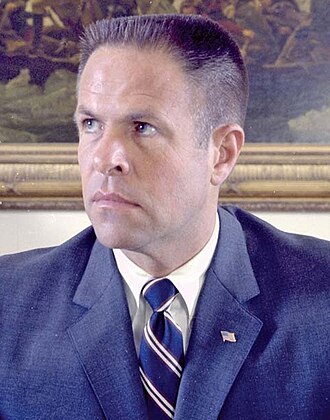
H. R. ("Bob") Haldeman served as President Richard Nixon's White House Chief of Staff from January 1969 until his resignation in April 1973. Acting as Nixon's primary gatekeeper and closest aide, Haldeman was a central figure during the White House taping period and is featured prominently in hundreds of recorded conversations. His tenure ended abruptly when he was forced to resign due to his deep involvement in the Watergate cover-up, most notably captured directing the obstruction of justice on the infamous "Smoking Gun" tape.
What Haldeman talks about on the tapes
Public relations 579Vietnam War 411Political strategy 286Foreign Policy 234Presidential scheduling 209Economic policy 202Henry Kissinger 195Congressional relations 176Press relations 161Watergate 159White House operations 151White House administration 145
Conversations (2,364)
— Page 21 of 24H. R. Haldeman and Ronald Ziegler coordinate the strategic release of information regarding the appointment of Anne L. Armstrong as Counselor to the President. Rather than utilizing the Washington Star, they decide to leak the announcement to friendly newspapers in Texas to maximize the impact of the news. Haldeman tasks Ziegler with finalizing the details and identifying the appropriate media outlets before they meet in person to formalize the plan.
H. R. Haldeman contacts the White House operator to facilitate a telephone call to Anne L. Armstrong. The brief exchange focuses solely on coordinating this connection, reflecting routine administrative efforts to reach the presidential counselor. No further policy discussions or significant strategic decisions are addressed in this fragment.
H. R. Haldeman coordinates with the White House operator in an attempt to reach Anne L. Armstrong, who is believed to be at the Mayflower Hotel. Despite sightings of Armstrong near an elevator, the operator reports an inability to locate or contact her. Haldeman instructs the operator to continue efforts to establish a connection.
President Nixon met with H.R. Haldeman and other staff to discuss the reorganization of his second-term administration, with a primary focus on appointing Anne L. Armstrong as a Counselor to the President with Cabinet rank. The discussion covered defining Armstrong's responsibilities—including outreach to women, the Bicentennial, and POW/MIA issues—and managing potential media leaks regarding her appointment. Additionally, the participants reviewed the disposition of 1972 campaign surplus funds and addressed various scheduling logistics for upcoming White House events, including a Cabinet dinner.
H. R. Haldeman coordinates with the White House operator to locate Counselor to the President Anne L. Armstrong for an urgent conversation with Richard Nixon. After initial efforts to find her at the Mayflower Hotel prove unsuccessful, Haldeman instructs the operator to check with the Republican National Committee and contact her husband in Texas. The search highlights the administration's priority in reaching Armstrong for immediate consultation.
H. R. Haldeman informs Anne L. Armstrong that the White House has leaked to the Washington Star her appointment as a Cabinet-rank Counselor to the President. They discuss the scope of her new role, which will focus on broad policy matters including women's issues, and address the logistical arrangement of splitting her time between Washington, D.C., and Texas. To solidify her new position, Haldeman instructs Armstrong to attend a Cabinet dinner that evening, providing her with logistical support and emphasizing the importance of her immediate transition into her new official duties.
President Nixon and H. R. Haldeman discussed scheduling for upcoming meetings with Maurice Stans and reviewed plans to meet with John Ehrlichman to finalize personnel appointments. They also evaluated the public perception of Henry Kissinger’s recent press briefing regarding the Vietnam peace negotiations, noting that the status of talks with Hanoi appeared stalled. Additionally, the conversation touched on the success of the recent Cabinet dinner, specifically praising the musical performance by Fred Waring and the positive reception of the event by guests.
President Nixon and H. R. Haldeman coordinated scheduling logistics regarding the President's upcoming trip to Camp David and his return for a diplomatic reception. Nixon instructed Haldeman to postpone a meeting with Maurice Stans and finalized plans for a 3:00 p.m. meeting with Haldeman and John Ehrlichman upon his return. The conversation ensured administrative alignment for the President's itinerary for December 18 and 19.
President Nixon and H.R. Haldeman discuss administrative logistics, including scheduling upcoming meetings with officials such as Richard G. Kleindienst and William D. Ruckelshaus. The conversation covers the management of Camp David, the use of the retreat by cabinet members for social engagements, and the ongoing challenge of curbing media leaks regarding second-term appointments. Additionally, they touch upon managing press relations and the strategic handling of information provided to reporters.
President Nixon and H.R. Haldeman coordinate a brief meeting to take place immediately prior to the President's 2:00 pm appointment. The conversation serves primarily as a logistical check to confirm the availability of both participants before the scheduled engagement. No substantive policy matters or specific directives are addressed in this short exchange.
President Nixon and H. R. Haldeman met to discuss White House management, public relations strategies, and the ongoing Vietnam War negotiations. They reviewed the administration's outreach to their 'New Majority' of supporters through social events and debated how to address the domestic political implications of the Vietnam bombing campaign without projecting an atmosphere of crisis. The conversation also touched on personnel matters, including scheduling, staff assignments, and diplomatic appointments.
President Nixon met with his senior aides and advisors to discuss a wide range of personnel appointments, administrative reorganizations, and the ongoing situation in Vietnam. The group strategized on filling key government roles while simultaneously consolidating executive office functions to reduce staff and streamline bureaucracy. Additionally, they reviewed the military status of the Vietnam War, affirming their commitment to continue military pressure until a satisfactory peace agreement could be secured.
President Nixon met with H. R. Haldeman, John Ehrlichman, and Henry Kissinger to discuss the administration's ongoing challenges with press relations, particularly concerning the media's coverage of the Vietnam peace negotiations. The participants analyzed the political sensitivity surrounding Kissinger’s public comments and potential resignation, while also evaluating the President's credibility and the impact of the 1972 election results. Additionally, the conversation addressed the logistical complexities of the upcoming second-term reorganization and the need for effective communication strategies regarding legislative budget priorities.
President Nixon and H.R. Haldeman met to discuss personnel and organizational logistics for the upcoming second term, specifically focusing on the office placement of Counselor Anne L. Armstrong within the White House complex. Nixon insisted that Armstrong be provided with suitable office space inside the White House rather than the Executive Office Building to enhance her profile, even at the expense of office space for other staffers. Additionally, the President received updates on internal leadership disputes within the Republican National Committee regarding finance chair candidates.
President Nixon met with H.R. Haldeman, Maurice Stans, and others to discuss second-term administrative reorganizations, press strategy, and Vietnam policy, specifically the impact of renewed bombing. Much of the discussion focused on managing the aftermath of the 1972 campaign, including the handling of surplus funds and the recognition of major donors through social events and potential appointments. Nixon expressed frustration over the perceived political hostility of the press and the impact of the Watergate scandal on his administration's public reputation and fundraising efforts.
H. R. Haldeman meets with an unidentified individual, potentially Lawrence M. Higby, to discuss personnel management and the physical location of a specific staff member. The conversation emphasizes the need to assert administrative control and ensure the staffer understands their proper place and responsibilities within the White House structure. The exchange concludes with a directive to reinforce these expectations and maintain organizational discipline.
President Nixon met with his senior staff, including H.R. Haldeman and Charles Colson, to coordinate personnel changes for his second term, discuss strategies for managing press relations, and finalize plans for the upcoming inauguration. A major focus was the administration’s aggressive approach toward media outlets like The Washington Post and the television networks, with Nixon encouraging the use of regulatory pressure and cable television technology to bypass traditional information gatekeepers. Additionally, the President reviewed the status of Vietnam peace negotiations, emphasizing the necessity of firm military action to prevent an enemy buildup while maintaining his public posture of seeking peace.
In this Oval Office meeting, President Nixon, Henry Kissinger, H. R. Haldeman, and others discussed the state of Vietnam peace negotiations following a breakdown in talks and North Vietnamese public charges. The participants reviewed the administration's strategic efforts to maintain pressure on Hanoi, including the impact of recent bombing campaigns and the tone of Congressional relations. Additionally, the President and his staff coordinated personnel and administrative matters for the second term, specifically addressing campaign contributor recognition, the vetting of nominees for the Securities and Exchange Commission, and the desire for greater loyalty and political reliability in key appointments.
President Nixon met with H. R. Haldeman, Ronald Ziegler, and Zosimo Monzon to discuss adjustments to his upcoming travel itinerary. The participants focused on coordinating a delay in the President's scheduled trip to Florida. The discussion specifically addressed the logistical impact of this scheduling change on First Lady Pat Nixon.
President Nixon, H. R. Haldeman, and Ronald Ziegler discuss managing press relations and public perception during the ongoing stalemate in Vietnam negotiations. A key focus is correcting the narrative regarding Henry Kissinger's role, specifically addressing the concern that Kissinger is attempting to distance himself from the administration or claim personal credit for peace efforts. Nixon also decides to cancel a scheduled meeting with the Productivity Commission, citing personal fatigue and health concerns, as he balances administrative duties with the pressures of the war and upcoming inaugural preparations.
President Nixon, H.R. Haldeman, and Stephen Bull discussed the President’s upcoming meeting with the Productivity Commission, specifically delegating a brief, non-deliberative appearance to thank labor leaders. Haldeman and the President also reviewed restructuring the White House staff management process, deciding to shift away from daily large staff meetings in favor of a core group of senior advisors coordinating the agenda. Finally, they addressed personnel issues involving Rose Mary Woods and managed the optics regarding Charles “Bebe” Rebozo’s recent real estate investment.
H. R. Haldeman met with Secret Service agents and unknown personnel in the Oval Office to coordinate logistics regarding the Presidential Locator System and monitor the President’s location in the Cabinet Room. The discussion also touched upon personal administrative matters, specifically Haldeman’s purchase of a vehicle through the United Buying Service. The brief meeting concluded after addressing these security and private procurement arrangements.
President Nixon met with H. R. Haldeman and Henry Kissinger to discuss the stalled Vietnam peace negotiations and the intense US bombing campaign north of the 20th parallel. The conversation centered on the continued intransigence of South Vietnamese President Nguyen Van Thieu, with the participants evaluating the strategic risks of either forcing Thieu to accept a settlement or pursuing a separate bilateral deal with North Vietnam. Despite mounting casualties from B-52 operations and criticism from some Congressional leaders, Nixon and Kissinger decided to maintain military pressure in hopes of securing a breakthrough in technical talks and achieving a final peace agreement.
President Nixon, H. R. Haldeman, and Stephen Bull discuss a request from Murray Chotiner for a personal meeting with the President. The group reviews Chotiner’s recent history with the administration, specifically noting his past criticisms of the 1972 campaign operations managed by Clark MacGregor. The discussion concludes with the President deciding to accommodate the request for a brief, personal meeting.
President Richard Nixon and H.R. Haldeman held a brief, inconsequential exchange in the Old Executive Office Building. The conversation primarily consisted of fragmented pleasantries and non-substantive filler, with no policy decisions, strategic planning, or significant directives recorded. The interaction concluded almost immediately without advancing any administration objectives.
President Nixon met with H.R. Haldeman and key staff to coordinate end-of-year administrative tasks, including the scheduling of holiday messages and upcoming inaugural activities. The discussion focused on managing the White House staff's workload, press relations regarding the escalating bombing campaign in Vietnam, and strategic planning for bipartisan congressional outreach in the second term. Nixon also addressed personal correspondence regarding a recent article about his family and coordinated efforts related to the establishment of the Nixon Foundation.
President Nixon met with H.R. Haldeman and Ronald Ziegler to manage White House operations and staff relations heading into the new year. The discussion centered on limiting unnecessary scheduling demands, specifically the burden of ceremonial photo opportunities, and addressing personnel issues involving Rose Mary Woods and staff dynamics. They also reviewed cabinet appointments, the status of the Watergate investigation, and preparations for the 1973 inaugural address.
President Nixon met with key staff and George Shultz to discuss administrative priorities, including the upcoming second-term reorganization, press relations, and economic strategy. Discussions centered on the continuation of wage and price controls, the development of new trade negotiation authority, and managing congressional relations for upcoming legislative initiatives. Additionally, the President reviewed proposals for a scholarly book project by Patrick Buchanan and provided guidance on navigating personnel decisions, specifically regarding energy policy and Federal Reserve appointments.
President Nixon dictates instructions to H. R. Haldeman regarding the selection process for official U.S. delegations, specifically citing the recent funeral of Lester Pearson as an example of overly bureaucratic choices. Nixon mandates that future delegations prioritize rewarding loyalists, major financial and political supporters, and key allies in Congress and the media rather than relying on State Department officials. To streamline this process, he orders the creation of a standing list of approximately 100 vetted individuals to ensure delegations can be formed quickly while maintaining minimal administration representation.
President Nixon and H. R. Haldeman met to review White House staffing, administrative protocols for the upcoming second term, and the logistical planning for the 1973 Inauguration. They discussed the President’s frustrations regarding staff interference in policy areas outside their purview, particularly concerning the Vietnam War, and reaffirmed the need for disciplined messaging from administration officials. The conversation also centered on streamlining the Inauguration schedule, including reducing the length of the parade and inaugural luncheon, and finalizing the selection of clergy for the various ceremonies.
President Nixon met with H. R. Haldeman and John Ehrlichman to discuss a wide-ranging set of administrative tasks, including second-term staff reorganization, the reassignment of various White House personnel, and the streamlining of the President's schedule. A significant portion of the discussion addressed concerns over potential Watergate involvement by staffers like Charles Colson and the necessity of managing internal information flows, including the President's news summaries. They also reviewed diplomatic and domestic challenges, specifically evaluating Henry Kissinger's recent morale, his relationship with the press, and the political fallout from the recent bombing campaigns in North Vietnam.
President Nixon met with H. R. Haldeman, Stephen Bull, and Ronald Ziegler to discuss a strategic shift in the administration's public relations and political outreach for the second term. They emphasized moving away from trying to appease critics and the liberal press, focusing instead on projecting executive strength and conducting events on the President's own terms. Key organizational decisions included streamlining White House social events to reduce administrative costs and demands, refining the process for handling Congressional and donor relations, and implementing a new protocol for press interactions and gift-giving.
President Nixon and H. R. Haldeman met to review the President's public schedule and discuss long-term political strategy, specifically the goal of institutionalizing a 'Nixon coalition' to replace the existing Roosevelt-era political establishment. They evaluated potential personnel changes, including various ambassadorial and agency appointments, while emphasizing the need to keep the President visible and active in the public eye through controlled, high-impact events. Additionally, they critiqued the current press conference format, opting for a move toward more direct engagement with the American public outside of Washington, D.C., rather than relying on the traditional White House press corps.
President Nixon met with his senior advisors, including H. R. Haldeman and Henry Kissinger, to coordinate White House press strategy, manage staff morale, and discuss the status of Vietnam peace negotiations. Nixon emphasized his desire for a disciplined administration that would avoid unauthorized media contacts and prioritize loyalist staffing appointments, particularly in the Defense Department and research sectors. A significant focus was placed on the sensitivity of the Paris peace talks, with Nixon maintaining a firm stance on the necessity of an honorable settlement and expressing frustration with the defense establishment's overlapping intelligence and tactical structures.
President Nixon met with H. R. Haldeman and Stephen B. Bull to coordinate upcoming logistical requirements for his executive schedule. The discussion focused on arrangements for meetings with Gerard C. Smith and Vice President Yen Chia-kan of the Republic of China. The participants finalized details regarding a photo session involving Henry Kissinger and addressed administrative preferences for managing the President’s daily calendar.
President Nixon met with H.R. Haldeman and Stephen Bull to discuss administrative logistics and presidential scheduling. The conversation focused on refining protocol arrangements for upcoming events, managing the President's public appearances to ensure more efficient time management, and addressing personnel matters within various agencies. Nixon also instructed Haldeman to secure and maintain control over his private memoranda recordings.
President Nixon met with John Ehrlichman, H.R. Haldeman, and Henry Kissinger to discuss executive branch reorganization, judicial and FBI appointments, and legislative strategy. The President emphasized the need to streamline executive functions by empowering cabinet-level counselors and reducing the White House staff to improve efficiency and minimize concerns regarding executive privilege. Additionally, the group addressed the ongoing Vietnam peace negotiations and the importance of maintaining a unified stance with key administration officials as they prepared to brief Congress on these domestic and foreign policy priorities.
President Nixon, H. R. Haldeman, Henry Kissinger, and Ronald Ziegler met to discuss the administration's Vietnam strategy, focusing on congressional management and public relations in the lead-up to critical peace negotiations. Nixon and Kissinger evaluated the political fallout from recent bombing campaigns and their impact on Senate support, with the President emphasizing the need for congressional allies to defend his policy while avoiding public disclosures that might jeopardize potential diplomatic breakthroughs. They also addressed personnel matters and the ongoing frustration with the legislative branch's efforts to influence war policy, ultimately deciding to maintain a disciplined public stance while coordinating more effectively with loyalists in Congress.
President Nixon and H. R. Haldeman discussed the necessity of strengthening the administration's public relations and political operations to counter anticipated Democratic opposition in Congress and potential interference with Vietnam peace negotiations. The President emphasized the need to coordinate key personnel—specifically Ronald Ziegler, William Timmons, and Clark MacGregor—to move from a defensive posture to a more proactive political strategy. Additionally, Nixon reviewed ongoing efforts to manage congressional leadership roles and party activities, including the recruitment of Clarence J. Brown Jr. for candidate development and the repositioning of Robert Dole and George H. W. Bush.
President Nixon and H.R. Haldeman discuss the importance of consolidating their administration's public relations strategy and vetting key personnel to ensure a proactive, rather than defensive, stance against political opponents. The conversation touches on the necessity of coordinating staff efforts, including press secretary Ron Ziegler, to manage the administration's messaging following the recent campaign. Nixon also reviews internal congressional maneuvers, specifically regarding Republican leadership appointments, and instructs Haldeman to focus on building a reliable team capable of defending administration initiatives.
President Nixon met with H.R. Haldeman and John Ehrlichman to discuss high-level staffing, Cabinet appointments, and managing relations with a hostile Congress. The group addressed strategies for the upcoming inaugural, including a simplified Cabinet swearing-in process and limiting White House social events. Additionally, they reviewed potential candidates for various agency roles, the future of L. Patrick Gray at the FBI, and the need to maintain distance from the ongoing Watergate investigation.
President Nixon and H. R. Haldeman met to discuss various personnel and administrative matters, including the nomination of George D. Webster, potential diplomatic assignments for L. Patrick Gray and William D. Ruckelshaus, and planning for the 1973 inaugural church service. They reviewed the status of Webster's nomination amid concerns over his past financial practices and tax payments, ultimately considering alternatives. The conversation also touched upon sensitive political intelligence regarding Anna C. Chennault and 1968 election-related activities, as well as the ongoing second-term reorganization of White House staff.
President Nixon met with H. R. Haldeman and other staff to discuss administrative restructuring, press strategy, and the implementation of a new audio recording system. The participants addressed the potential reassignment of Herbert Klein to a Counselor for Communications role to maintain his utility to the administration, while also reviewing the status of upcoming Cabinet confirmations and Watergate-related concerns involving Egil Krogh. Additionally, Nixon directed staff to install transcription equipment at various locations to enhance the president’s ability to record personal notes and historical documentation.
In this meeting, President Nixon and his staff, particularly Frederic Malek and Roy Ash, focused on the management reorganization of the federal government for his second term. Nixon emphasized the critical need for absolute loyalty among appointees to ensure that government agencies act in accordance with presidential directives, specifically noting the importance of controlling the IRS and staffing departments with loyalists. Additionally, the President reviewed economic messaging strategies for the upcoming budget, instructed his team to minimize unnecessary paperwork, and discussed sensitive developments regarding potential Vietnam peace negotiations, tasking Henry Kissinger and Alexander Haig with maintaining absolute secrecy.
President Nixon met with H.R. Haldeman, Charles Colson, and other senior advisors to discuss staffing appointments, media relations, and legal developments concerning the Watergate scandal. The participants focused on identifying candidates for key government positions, including the IRS commissioner, and debated the management of the administration’s public image amid mounting investigative pressures. Additionally, they reviewed potential risks associated with the ongoing Watergate legal proceedings and the potential for congressional inquiries resulting from upcoming trials.
H. R. Haldeman coordinates with Stephen B. Bull to arrange an unannounced, low-profile excursion for President Nixon and Charles G. “Bebe” Rebozo on the White House South Grounds. Haldeman specifies strict security and aesthetic requirements for the vehicle, including the necessity of a seat divider and the removal of presidential flags. Additionally, he instructs that Press Secretary Ronald L. Ziegler be notified of the President's departure only after the thirty-minute drive is already underway.
President Nixon met with H.R. Haldeman, Stephen Bull, and staff members to discuss details regarding the President's 60th birthday celebration, the upcoming inauguration, and long-term staffing reorganization. The group reviewed the success of a surprise birthday film featuring football highlights and discussed the necessity of strictly limiting guests at inaugural events to avoid uncontrollable crowd sizes and political optics issues. Additionally, Nixon emphasized his desire to move toward more informal White House gatherings, while Haldeman provided updates on personnel appointments and strategies for handling the skeptical Washington press corps.
President Nixon and H. R. Haldeman discussed a variety of personnel, political, and foreign policy matters, including the pending Vietnam peace settlement and staff management. They reviewed potential appointments for the Department of Justice and the Federal Trade Commission, emphasizing the importance of loyalty and the political implications of these choices. Additionally, the President and Haldeman mapped out a strategy to handle the public announcement of the Vietnam negotiations while managing Henry Kissinger’s schedule and press relations during the upcoming inauguration. They also addressed legislative strategies regarding David Eisenhower’s potential congressional run and other personnel logistics for the second term.
H. R. Haldeman and President Nixon discussed an incoming report and procedural proposal from Henry Kissinger regarding ongoing Vietnam peace negotiations in Paris. Nixon expressed significant concern that if Kissinger traveled to Hanoi to initial the settlement agreement, the President’s subsequent television announcement would appear anticlimactic and diminish his control over the narrative. Consequently, Nixon requested a meeting with Haldeman and Alexander Haig to strategize on timing and procedure, while also briefly touching upon personnel appointments for his second-term administration.
President Nixon and H.R. Haldeman discuss administrative concerns, scheduling, and the strategic importance of controlling the administration's public narrative. The conversation touches on staffing challenges regarding legal personnel and the difficulty of managing expectations when engaging with the press. Nixon emphasizes the necessity for the White House to maintain a proactive stance and be the first to speak on official matters to ensure the administration's position is clearly understood by the American public.
President Nixon and H. R. Haldeman briefly review the President's upcoming daily schedule and internal staff movements. The discussion centers on coordinating meetings involving John Ehrlichman, Stephen Bull, and Charles Colson to ensure the President remains fully briefed on ongoing administrative matters. No major policy decisions are reached, as the participants focus on logistics and the management of executive appointments.
President Nixon and H.R. Haldeman met to coordinate staffing decisions for the second-term administration and address controversial federal hiring quotas. Nixon expressed strong opposition to existing executive orders mandating university hiring quotas, directing that they be changed to avoid alienating academic and public opinion. Additionally, the pair reviewed personnel placements for various agencies, including the Justice Department and the Office of Emergency Preparedness, while briefly touching on the status of Vietnam peace negotiations.
President Nixon met with Alexander Haig and H. R. Haldeman to coordinate the final stages of the Vietnam peace settlement and address internal administration concerns. The discussion focused on managing the logistics of the agreement, specifically timing the public announcement and Haig’s mission to secure South Vietnamese President Nguyen Van Thieu's cooperation regarding the ceasefire. Additionally, the group reviewed second-term staff appointments and debated the political impact of federal quota policies, with Nixon emphasizing a desire to revise executive orders to better align with his administration's public stance against mandatory hiring quotas.
President Nixon dictates a series of directives to H.R. Haldeman concerning the development of historical guest literature for Camp David and the presidential yacht, Sequoia. He emphasizes creating well-researched, professional accounts for these venues that highlight significant historical policy decisions and guest records. Additionally, Nixon instructs Haldeman to commission post-inaugural polling to gauge public opinion on tax increases versus government spending, stressing the need for precise and effective survey questions to clarify the President’s stance on fiscal responsibility.
President Nixon directs H. R. Haldeman to facilitate a series of national security briefings for new members of Congress to bolster support for his administration's foreign policy agenda. The President intends to highlight the Nixon Doctrine, ongoing arms control negotiations, and recent diplomatic initiatives involving the Soviet Union and China. Alexander Haig and Henry Kissinger are identified as key figures to spearhead these sessions to ensure effective communication of the President's leadership and strategic vision.
President Nixon dictates a memorandum to H. R. Haldeman establishing a strict protocol for the handling of high-level administration appointments. Nixon directs Haldeman to oversee the process and participate in all appointment discussions to ensure that competing interests from the RNC, Charles Colson, and Cabinet members are properly balanced and vetted. This directive serves to centralize control over personnel decisions while insulating the President from internal staff conflicts and potential disputes with Congress.
H. R. Haldeman coordinates a meeting between President Nixon and Vice President Spiro Agnew for 11:30 a.m. that morning. The primary objective of the session is to discuss Middle East policy and its strategic connection to ongoing high-visibility negotiations in Paris. Haldeman confirms that the Vice President requires no specific briefing materials, only a general awareness of the current situation.
President Nixon and H. R. Haldeman met to coordinate key administrative personnel appointments, specifically prioritizing the exclusion of unauthorized intermediaries in the decision-making process. The discussion focused on strategies for managing press relations, particularly regarding negative coverage from the Washington Post and CBS, and leveraging potential influence over political figures like Lyndon B. Johnson. They also touched upon staffing roles for figures like Charles Colson and H. R. Haldeman, ensuring tighter control over news summaries and organizational responses to political pressure.
President Nixon met with members of the Council on Environmental Quality and key administration advisors to discuss the content and delivery of his upcoming State of the Union messages. Nixon emphasized a desire for a positive, forward-looking tone regarding the environment and population growth, while shifting from a single speech to a series of ten installments to maintain sustained media interest. The conversation also touched upon the restructuring of intelligence and resource management, as well as complex diplomatic maneuvers involving Vietnam negotiations and potential Middle East initiatives.
H. R. Haldeman and William E. Timmons discussed ongoing Congressional Democratic Caucus activities and their potential impact on the Nixon administration. The conversation focused on Democratic efforts to challenge the administration through resolutions regarding the impoundment of funds and the requirement for Cabinet members, such as Secretary of State William P. Rogers, to testify before Congress. Timmons reported on the tense atmosphere within the caucus, including reports of impeachment rhetoric, and committed to providing Haldeman with copies of the caucus resolutions once they became available.
President Nixon and H. R. Haldeman engaged in a brief, administrative exchange regarding the scheduling of an upcoming meeting involving Ronald L. Ziegler. The conversation centered on coordinating personal and professional availability to ensure a smooth transition between private discussions and official business. No substantive policy decisions were made, as the dialogue remained focused on logistics and participant arrival times.
President Nixon met with Ronald Ziegler and H. R. Haldeman to coordinate the administration's public relations strategy regarding the upcoming Vietnam peace settlement. The participants discussed the need for message discipline among staff, the timing of public announcements, and the handling of congressional briefings to ensure the negotiations' success while maintaining confidentiality. Additionally, they reviewed potential legislative priorities and the impact of ongoing congressional investigations, including the Watergate trial, on the administration's agenda.
President Nixon and H. R. Haldeman coordinated a brief meeting to discuss upcoming administrative scheduling. Haldeman signaled his availability to consult with the President following his ongoing discussion with Press Secretary Ronald Ziegler. The conversation concluded with Nixon confirming that Haldeman should proceed to the White House immediately.
President Nixon and H. R. Haldeman met with various staff members and Cabinet officials to discuss preparations for the 1973 Inauguration, administrative reorganization, and legislative strategy. They reviewed logistical details for inaugural events, evaluated the performance of congressional Republicans, and strategized on how to manage media and public perception regarding the administration's second-term agenda. Nixon emphasized the importance of maintaining a low-profile, disciplined approach to 1974 midterm campaign activities to avoid perceptions of political deception while advancing his policy goals in areas such as crime, the federal budget, and education.
President Nixon and H. R. Haldeman coordinate the logistical details and public relations strategy for the President's upcoming departure for Florida. They determine that Nixon will depart on Friday afternoon to work on his inaugural address, a decision intended to minimize press and staff speculation regarding ongoing Vietnam peace negotiations in Paris. By maintaining a routine appearance of working on speeches, the President seeks to avoid revealing his preoccupation with developments involving Henry Kissinger and Alexander Haig.
President Nixon met with Ronald Ziegler and H.R. Haldeman to coordinate the public messaging and timing regarding the ongoing Vietnam peace negotiations and Henry Kissinger's diplomatic schedule. The participants discussed managing press relations and maintaining staff secrecy as the administration navigated the conclusion of the war and preparations for the upcoming 1973 inauguration. Nixon also engaged in a brief, separate discussion with Rose Mary Woods concerning a symbolic gift calendar designed to reflect the duration of his second presidential term.
President Nixon met with H.R. Haldeman, Ronald Ziegler, Rose Mary Woods, and Marjorie P. Acker to discuss various administrative, political, and personal matters. The conversation touched upon federal budget allocations, the media's portrayal of a recent sniper incident, and Nixon's views on educational policies regarding racial integration. The group also spent significant time troubleshooting and learning the technical operation of a portable dictation recording device.
President Nixon met with H.R. Haldeman, Rose Mary Woods, and Marjorie Acker to discuss the technical operations, portability, and functionality of various dictation machines for use in his offices and during travel. The conversation also covered logistical details regarding the President's attire and protocol for the upcoming 1973 Inauguration, including coordination with family members. Additionally, the group touched on broader administrative matters, including personnel considerations for the second-term reorganization and the public perception of press relations staff.
President Nixon met with H. R. Haldeman and briefly with Raymond K. Price, Jr. to coordinate logistical and strategic details for his upcoming second-term inauguration and the accompanying events. The discussion covered a wide range of topics, including site selection for the Nixon Presidential Library, the management of inaugural entertainment, and potential communication strategies regarding his Vietnam policy and second-term administrative reorganization. They also reviewed staff responsibilities and the importance of maintaining strong morale and public messaging as the administration transitioned into the new term.
President Nixon and H. R. Haldeman debriefed following the 1973 Inaugural concerts, expressing general satisfaction with the performances and the decision to diversify the entertainment offerings compared to previous years. They discussed the logistics of celebrity involvement and the importance of recognizing performers who supported the President, while specifically ensuring that figures like Frank Rizzo and John Connally were properly accommodated. Additionally, Nixon directed Haldeman to contact Robert Finch in California to clarify the reason for his absence from the inaugural festivities, concerned that it might be perceived negatively.
President Nixon and H. R. Haldeman discuss Robert H. Finch’s decision to travel to the Virgin Islands during the 1973 inauguration events. While Herbert G. Klein confirmed that Finch had prior business and personal commitments, the President and Haldeman expressed concern that missing the official inaugural festivities would be perceived negatively. Ultimately, the President directed that any public inquiries regarding Finch's absence should be handled by Press Secretary Ronald L. Ziegler.
President Nixon met with H. R. Haldeman, Ronald L. Ziegler, and Julie Nixon Eisenhower to manage the administration's public image and political strategy during the transition into his second term. The discussions focused on coordinating press responses to negative stories, planning follow-ups for the 1973 Inauguration events, and navigating the sensitive politics surrounding the Vietnam settlement. Nixon emphasized the importance of maintaining control over his public narrative and discussed upcoming meetings with bipartisan Congressional leaders and international figures like Eisaku Sato.
President Nixon and H. R. Haldeman met to coordinate the President's upcoming public schedule, focusing specifically on the timing and content of his address regarding the Vietnam peace settlement. They discussed concerns regarding potential television over-exposure and the logistical challenge of balancing a domestic policy speech with the Vietnam message. The discussion emphasized managing the workload and the President's personal involvement in drafting his remarks to ensure optimal delivery.
President Nixon and H.R. Haldeman briefly discuss a report prepared by Ken Clawson. The President emphasizes the need for caution in handling the document or the information contained within it. No further substantive details regarding the report's content are disclosed in this exchange.
President Nixon and H. R. Haldeman met briefly in the Old Executive Office Building to discuss administrative matters and the ongoing management of the White House staff. The conversation focused on internal personnel adjustments and the strategic planning of upcoming presidential communications. No formal records of the specific dialogue exist, leaving the granular details of their decisions undocumented.
President Nixon met with key advisors and staff, including Raymond Price, H.R. Haldeman, and Alexander Haig, to finalize the messaging and strategy for his upcoming televised address regarding the Vietnam settlement. The discussion focused heavily on managing congressional relations, securing bipartisan support, and refining the speech’s tone to project strength while addressing potential sensitivities. Throughout the afternoon, the group also monitored news of former President Lyndon B. Johnson's declining health, which prompted deliberations on the impact of his condition on the President's schedule and the potential need for a public statement.
H. R. Haldeman initiated a telephone call to the President's personal physician, Dr. Walter R. Tkach, through the White House operator. While the specific content of the dialogue remains unrecorded, the conversation was part of routine administrative communication between the Chief of Staff and the medical office. No significant policy decisions or actionable directives are documented for this exchange.
H. R. Haldeman and White House physician Dr. Walter R. Tkach discuss the status of Lyndon B. Johnson following reports of his death at his ranch. Tkach confirms that medical personnel and the Secret Service believe Johnson has passed away, despite efforts to keep the information temporarily private. The urgency of the call is driven by President Nixon’s need for verification before he contacts Lady Bird Johnson and issues a formal presidential statement.
Dr. Walter R. Tkach updates H. R. Haldeman on the medical emergency involving former President Lyndon B. Johnson, who is currently being transported by ambulance to a hospital. Tkach reports that Lady Bird Johnson has already arrived at the facility and confirms that he is in direct contact with General Vogel for further status updates. The participants discuss the logistics of the transport while awaiting confirmation of Johnson's condition.
H. R. Haldeman and White House physician Walter R. Tkach discuss the recent death of former President Lyndon B. Johnson. Tkach confirms that resuscitation efforts at Brooke Army Hospital were unsuccessful and notes that the family is waiting to make an official announcement. Haldeman coordinates the timing for President Nixon to place a condolence call to Lady Bird Johnson once authorization is granted.
President Nixon and H.R. Haldeman discuss logistical arrangements for the funeral of Lyndon B. Johnson, focusing on Nixon's refusal to attend any services held at the Washington National Cathedral due to personal animosity toward Dean Francis B. Sayre. Nixon instructs Haldeman to ensure the White House press staff is firm regarding his non-attendance and emphasizes his preference for services to be held at the Capitol. Additionally, the President orders the postponement of a planned television address and a dinner for Japanese Prime Minister Eisaku Sato to avoid appearing insensitive during the national mourning period.
President Nixon met with H. R. Haldeman, Alexander Haig, Ronald Ziegler, and others to strategize for the upcoming announcement of the Vietnam peace settlement and the state funeral for former President Lyndon B. Johnson. The discussion focused on coordinating the public relations strategy, balancing the tone of the announcement with a period of national mourning, and managing Congressional relations. Nixon emphasized his desire for a succinct, impactful speech regarding the peace agreement and expressed frustration with internal staff leaks and the potential for political fallout from his domestic opponents.
President Nixon and H. R. Haldeman met to coordinate the logistics and venue for a televised address regarding the impending Vietnam peace settlement. The discussion focused on the political implications of delivering the speech before Congress, specifically weighing the advice and perspectives of Speaker Carl Albert and Representative Gerald Ford. The participants evaluated the potential for a Congressional boycott and the broader necessity of securing legislative prestige for the administration's foreign policy announcement.
H. R. Haldeman consulted William E. Timmons to assess the sentiment of Mike Mansfield regarding a proposed joint session of Congress. Timmons reported that Mansfield expressed logistical concerns about the late notice, though he remained skeptical of Mansfield's underlying motives. Ultimately, they concluded that while Mansfield would cooperate if necessary, he would prefer that the President not pursue the appearance.
H. R. Haldeman initiates a request to the White House operator to be connected with Henry Kissinger, who is currently traveling by aircraft. The primary purpose of this brief exchange is to facilitate direct communication between the Chief of Staff and the National Security Advisor. No further substantive policy matters are addressed in this connection attempt.
H. R. Haldeman coordinates with the White House operator to facilitate a telephone connection with William E. Timmons. The brief exchange serves as a logistical arrangement to reach the Assistant to the President for Legislative Affairs. No substantive policy discussions occur during this brief administrative request.
H. R. Haldeman and William E. Timmons coordinate instructions from President Nixon regarding the timing of a potential joint session of Congress. The primary action item involves Timmons consulting Senator John C. Stennis privately to solicit his personal advice on the matter. This outreach serves to gauge legislative sentiment and determine the President's optimal strategy for scheduling.
H. R. Haldeman coordinates with William E. Timmons to facilitate a patched conference call involving John B. Connally and Henry A. Kissinger. The exchange focuses on the technical logistics of establishing this multi-party connection via the White House operator. Haldeman seeks to prioritize communication with Timmons before finalizing the call with Kissinger.
H. R. Haldeman and William E. Timmons coordinate the President's schedule regarding a potential address to Congress in the wake of Lyndon B. Johnson's death and discussions surrounding the Vietnam settlement. After relaying that Senator John C. Stennis advised against a joint session due to the proximity of memorial ceremonies, they decide the President will instead host the "Big Five" congressional leaders that evening. They also finalize plans to convene a broader bipartisan meeting the following morning to discuss legislative engagement and select a group of additional members to attend.
H. R. Haldeman attempted to contact Henry Kissinger via the White House operator to discuss official business. Upon learning that Kissinger was currently sleeping, Haldeman decided to cancel the call entirely rather than leave a message or wait for him to wake. No further administrative or policy actions were taken during this brief exchange.
President Nixon, H.R. Haldeman, and Alexander Haig coordinated the scheduling of a series of high-level meetings regarding the upcoming Vietnam peace settlement announcement. The group finalized plans for an 8:30 p.m. Cabinet meeting followed by a session with Congressional leadership. Additionally, the President initiated a request for a follow-up telephone call with William E. Timmons to address these administrative preparations.
H. R. Haldeman and William Timmons coordinate the guest list and scheduling for upcoming congressional leadership meetings regarding the Vietnam settlement and federal budget. They discuss the strategic inclusion of "wild card" members—lawmakers with specific interests in the legislation—while managing potential political friction caused by excluding formal leadership figures. The participants finalize the list of attendees and adjust the meeting schedule to accommodate the national mourning period for Lyndon B. Johnson and Henry Kissinger's subsequent press obligations.
President Nixon met with his senior advisors, including Alexander Haig, H. R. Haldeman, and Raymond Price, to finalize the wording and delivery strategy for his upcoming speech announcing the Vietnam peace settlement. The President emphasized his desire to highlight his personal role in the negotiations while coordinating support from bipartisan Congressional leaders to ensure the agreement's success. Additionally, the group discussed scheduling concerns related to the upcoming funeral ceremonies for Lyndon B. Johnson and the President's personal exhaustion, with Nixon expressing the need for a brief recuperative trip to California or Florida following the announcement.
President Nixon and H. R. Haldeman discussed the administration’s strategy for communicating the impending Vietnam settlement to key congressional members and labor leaders. They specifically reviewed the use of letters drafted by Patrick Buchanan and Raymond Price to garner support for the agreement. Additionally, the pair coordinated logistics for Pat Nixon’s attendance at the upcoming funeral of former President Lyndon B. Johnson.
In this meeting, President Nixon met with his Vice President, Cabinet, and senior staff to provide a briefing on the impending Vietnam cease-fire agreement, scheduled for signing on January 27, 1973. National Security Advisor Henry Kissinger detailed the arduous negotiation process, emphasizing that the agreement achieved key U.S. objectives including the return of POWs, the withdrawal of American forces, and the right of South Vietnamese self-determination. Following the Vietnam discussion, the President transitioned to a briefing on the fiscal year 1974 budget, where Director Caspar Weinberger presented plans for spending cuts and program terminations designed to maintain a full-employment balance and avoid tax increases.
President Nixon and H. R. Haldeman discussed the overwhelmingly positive public and political reception to Nixon's televised announcement of the Vietnam peace settlement. They reflected on the strategic decision to deliver the speech independently rather than addressing Congress, which they believed allowed for a more powerful and controlled message. Looking forward, they finalized plans for Henry Kissinger to conduct briefings in both the House and Senate to provide detailed analysis and handle legislative inquiries.
President Nixon, H. R. Haldeman, and Stephen B. Bull met to coordinate logistics for Lyndon B. Johnson’s upcoming funeral and discuss broader political strategy. The discussion covered the President's public relations efforts regarding the recent Vietnam settlement, including managing press and congressional reactions, alongside ongoing budget considerations. They also addressed sensitive administrative matters, including the kidnapping of an American diplomat in Haiti and developments related to the Watergate-linked Senate testimony involving Committee to Re-elect the President officials.
President Nixon met with H. R. Haldeman and Ron Ziegler to discuss the successful conclusion of the Vietnam peace negotiations and the favorable press coverage following the President's recent televised address. The participants analyzed the positive public reception and the strategic effectiveness of Henry Kissinger's recent press briefings in neutralizing critical questioning. Additionally, the group reviewed logistics for upcoming events, including a memorial for Lyndon B. Johnson, and issued directives to limit administration participation in an energy symposium.
President Nixon met with his Vice President, Cabinet members, and senior staff to conduct a briefing on the upcoming federal budget. The discussion focused on the necessity of fiscal restraint, including the reduction and termination of certain government programs, to avoid tax increases and curb inflationary pressures while maintaining an expanding economy. Cabinet members analyzed projections for the 1974 and 1975 budgets, emphasizing the shift in spending priorities from defense toward human resources and the importance of presenting the budget to Congress and the public as a responsible alternative to higher taxation.
President Nixon and his Cabinet members strategized on how to promote the administration’s 1974 budget and defend proposed spending cuts against inevitable Congressional and lobbying opposition. The participants emphasized shifting from a constituency-based political strategy to a national message centered on fiscal responsibility, specifically using the themes of 'jobs' and 'taxes' to appeal to working-class voters. Nixon underscored the necessity of forcing Congress to accept accountability for spending, ultimately positioning the administration to blame Democrats if tax increases become required to fund legislative priorities.