Haldeman, H. R. ("Bob")
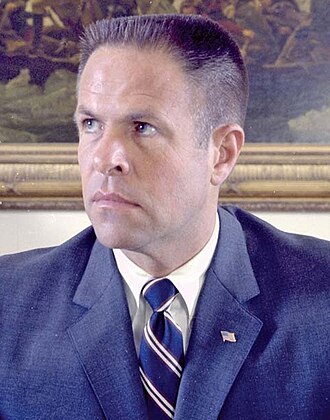
H. R. ("Bob") Haldeman served as President Richard Nixon's White House Chief of Staff from January 1969 until his resignation in April 1973. Acting as Nixon's primary gatekeeper and closest aide, Haldeman was a central figure during the White House taping period and is featured prominently in hundreds of recorded conversations. His tenure ended abruptly when he was forced to resign due to his deep involvement in the Watergate cover-up, most notably captured directing the obstruction of justice on the infamous "Smoking Gun" tape.
What Haldeman talks about on the tapes
Public relations 579Vietnam War 411Political strategy 286Foreign Policy 234Presidential scheduling 209Economic policy 202Henry Kissinger 195Congressional relations 176Press relations 161Watergate 159White House operations 151White House administration 145
Conversations (2,364)
— Page 22 of 24President Nixon directs H. R. Haldeman to convene a meeting with John Ehrlichman, George Shultz, and Charles Colson to discuss shifting the administration's public relations focus from the recent Vietnam settlement to domestic budget issues. Nixon cautions against prioritizing the budget debate, fearing it would allow political opponents to pivot away from the Vietnam issue where they are currently on the defensive. He requests that Colson attend the meeting to provide a perspective aligned with Labor Secretary Peter Brennan’s warnings against engaging in domestic battles on the opponents' terms.
President Nixon met with H. R. Haldeman to dictate a memorandum regarding the framing of the Vietnam peace settlement. The discussion focused on establishing a public relations strategy to define the agreement as "peace with honor" and secure support against political opposition. They emphasized the importance of managing congressional relations and clearly communicating the impact of the administration's policies on South Vietnam's future and the return of prisoners of war.
President Nixon and H. R. Haldeman coordinated the strategic rollout of the upcoming 1974 budget speech, focusing on press coverage, congressional relations, and the necessary integration with the recent Vietnam settlement. They reviewed cabinet meeting logistics and potential personnel assignments, weighing the roles of various advisors like George Shultz and John Ehrlichman. Stephen B. Bull joined briefly toward the end to finalize logistical arrangements for the President’s travel to Texas to attend the funeral of Lyndon B. Johnson.
President Nixon, H.R. Haldeman, Manolo Sanchez, and Stephen B. Bull met to discuss administrative personnel changes, specifically regarding Secret Service staffing, and to coordinate the President's upcoming public relations and media strategy. A significant portion of the discussion addressed friction between John Ehrlichman and Charles Colson regarding policy advice, presidential speech themes, and the frequency of Nixon's televised appearances. Ultimately, the President decided to proceed with a radio address rather than a televised speech to avoid overexposure and concluded that both Ehrlichman and Colson should provide input on administration strategy.
President Nixon and H. R. Haldeman met to coordinate upcoming administrative priorities, including the development of the 1974 budget speech and preparations for the Vietnam peace settlement. They discussed strategies for managing executive privilege, congressional relations, and the evolving roles of staff members like John Ehrlichman. Additionally, the pair reviewed the President’s crowded schedule, which encompassed appointments for Cabinet swearing-in ceremonies, memorial events, and press engagement strategies.
President Nixon, Charles Colson, and H.R. Haldeman met to coordinate public relations and legislative strategy surrounding the Vietnam peace settlement and the associated cease-fire announcement. The discussion focused heavily on managing press coverage, shaping the public image of Nixon’s leadership, and ensuring favorable congressional reactions to the administration’s actions. Participants also strategized on the handling of returning prisoners of war and the logistics of the President’s upcoming speeches and scheduling.
President Nixon met with H.R. Haldeman and John Ehrlichman to discuss personnel staffing, legislative strategy, and the administration’s approach to managing congressional relations following his reelection. A significant portion of the discussion centered on Vice President Spiro Agnew’s recent attempts to assert independent policy initiatives, with Nixon and his aides expressing concern about Agnew's lack of coordination with the White House and his pursuit of public attention. The group also evaluated strategies for promoting the administration's budget and legislative agenda, specifically focusing on how to handle executive privilege claims and the confirmation of presidential assistants by Congress.
H. R. Haldeman coordinates with the White House operator to initiate a telephone call to William C. Timmons. The brief exchange focuses on locating Timmons to establish contact. No substantive policy matters or administrative decisions were addressed beyond this logistical request.
President Nixon and H. R. Haldeman met to coordinate logistics for upcoming White House events, including state dinners for foreign leaders and the management of Congressional guest lists. They discussed the protocol for hosting high-profile figures such as King Hussein of Jordan and Edward Heath, while addressing the need to balance traditional rank with a desire to broaden the invitation list to include new members. Additionally, they reviewed administrative staffing issues at the Department of Labor and strategies for ensuring positive press coverage regarding the Vietnam settlement.
President Nixon and H. R. Haldeman met to coordinate communication strategies regarding the 1974 federal budget and manage the President’s increasingly demanding schedule. They discussed drafting a letter to Republican members of Congress to promote the administration’s fiscal agenda and debated the logistics of high-level meetings, specifically regarding POW/MIA families and Republican leadership. Additionally, the pair touched upon the potential role of George H.W. Bush in the administration and the need to streamline presidential engagements to improve efficiency.
President Nixon and H. R. Haldeman met to strategize on managing Congressional resolutions to prevent unwanted legislative outcomes. The pair consulted with Stephen B. Bull regarding the President's schedule and the coordination of specific Senate resolutions. They tasked staff with gathering further congressional input by 11:00 a.m. to ensure the administration's objectives were properly positioned in the House and Senate.
President Nixon met with his senior advisors and South Vietnamese officials, Tran Kim Phuong and Tran Van Lam, to discuss the recent Vietnam ceasefire and the importance of continued U.S. military and economic support for South Vietnam. Nixon emphasized the necessity of a strong, unified front against North Vietnamese aggression while expressing frustration with domestic media coverage and political opposition regarding the war. During the meeting, the participants coordinated plans for future high-level visits and strategies to maintain the stability of the South Vietnamese government under President Thieu.
President Nixon, H. R. Haldeman, and Ronald Ziegler met to discuss the administration's struggle to manage public perception and media relations regarding the Vietnam peace settlement. The President expressed frustration with Henry Kissinger’s tendency to court favor with the press, insisting that he must prioritize communicating the President's vision and accomplishments in foreign policy rather than focusing on himself. Nixon directed his staff to coordinate a more aggressive and unified effort to secure positive media coverage and public support, specifically noting that he needed to maintain firm control over the administration's messaging.
President Nixon and H. R. Haldeman discuss the editing and refinement of audio recordings, specifically focusing on reducing the duration of a lengthy tape. They address the technical constraints of their playback equipment and the necessity of trimming content to ensure the material fits within desired time parameters. The conversation centers on the practical challenges of managing the President's personal tape archives.
President Nixon and H. R. Haldeman met to discuss strategies for shaping public perception and press relations following the 1972 election and the Vietnam peace settlement. The conversation focused on the placement of favorable articles and editorials, emphasizing the need to utilize external authors to maintain distance from the White House. Additionally, they evaluated potential political maneuvers, including the role of John Connally and the management of ongoing press inquiries regarding the President's schedule and political opponents.
President Nixon and H. R. Haldeman met to coordinate the scheduling and logistics of an upcoming meeting with Henry Kissinger. The primary focus involved confirming Kissinger's current location to ensure his prompt arrival at the Executive Office Building. No further substantive policy decisions were documented during this brief administrative exchange.
President Nixon and H. R. Haldeman met briefly in the Old Executive Office Building to review the President's upcoming daily schedule. The exchange served as a logistical check-in to coordinate administrative arrangements and finalize appointments. No major policy decisions were recorded during this short planning session.
President Nixon and H. R. Haldeman discussed concerns regarding Henry Kissinger’s public relations strategy and his perceived efforts to distance himself from the President’s Vietnam policies. Haldeman reviewed his recent attempts to counsel Kissinger on the necessity of reinforcing the President's central role in the peace process and the strategic validity of the December 1972 bombing campaign. They determined that Kissinger must stop subtle posturing that encourages the media to separate his reputation from the administration's, deciding that he should explicitly emphasize the President’s decisive leadership in future public appearances.
President Nixon and H. R. Haldeman coordinated the rescheduling of a meeting with John B. Connally, who postponed his appointment due to urgent negotiations with Algerian representatives. Haldeman confirmed the meeting would occur the following morning, and Nixon requested a briefing on the subject matter prior to his own scheduled afternoon discussion with Connally. The call served to adjust the President's calendar and ensure adequate preparation regarding the Algerian diplomatic situation.
President Nixon and H. R. Haldeman held a brief meeting to discuss the status of an unidentified committee. The exchange suggests the committee had been disbanded or had failed to reconvene following previous proceedings. No further substantive actions or strategic decisions were recorded during this brief encounter.
President Nixon met with H. R. Haldeman and Stephen B. Bull to strategize on press relations and manage the administration's political image in the wake of the Vietnam peace settlement. The participants discussed handling media inquiries regarding amnesty, scheduling upcoming press conferences, and coordinating with Ronald Ziegler and Henry Kissinger to manage interviews with high-profile journalists like Barbara Walters. The discussion also touched upon internal party dynamics, specifically the prospects of John Connally and potential political shifts within the administration.
President Nixon met with Stephen B. Bull to review his upcoming schedule, specifically regarding meetings with Ted Stevens, Department of Housing and Urban Development officials, Henry Kissinger, and Japanese leadership. H. R. Haldeman joined briefly to further coordinate the President's calendar and synchronize Kissinger's own schedule with that of the President. The conversation concluded quickly after these logistical arrangements were established.
President Nixon, H. R. Haldeman, and Stephen Bull met to discuss upcoming public appearances, including the National Prayer Breakfast and a potential press conference. Nixon expressed his intent to emphasize a silent prayer during the prayer breakfast rather than delivering a standard reconciliation speech, while also reviewing plans for a televised Q&A session. They additionally coordinated logistical details regarding an upcoming meeting with Henry Kissinger and the briefing materials Nixon required for his schedule.
President Nixon and H.R. Haldeman discussed the President's upcoming schedule, including the visit of British Prime Minister Edward Heath and preparations for the National Prayer Breakfast. They reviewed the President's remarks for the breakfast, noting Senator Hatfield's lack of applause and comparing the event's promotion to other major national events. The conversation also touched on press coverage of the Vietnam settlement, particularly the "peace with honor" aspect, and Henry Kissinger's upcoming television interview.
President Nixon, H.R. Haldeman, and Charles Colson met to evaluate the administration's public relations strategy following the recent Vietnam cease-fire. The participants analyzed media coverage and public sentiment, specifically discussing how to maintain an aggressive stance against the press while highlighting the President's leadership and character. They also reviewed tactics for upcoming domestic policy battles and debated the political risks of awarding the Nobel Peace Prize to the President versus Henry Kissinger. Ultimately, the group reaffirmed the necessity of using controversy to project strength and maintain public engagement, despite continued hostility from network commentators.
President Nixon and H.R. Haldeman met to coordinate upcoming travel schedules, refine official protocol for foreign dignitaries, and address various administrative and staffing appointments. They discussed potential venues for the President's upcoming travel, including Arkansas, and deliberated on the appropriate decorum for the arrival of foreign heads of state. Additionally, they reviewed personnel matters regarding the Secret Service, prospective U.N. delegation appointments, and the status of political supporters and potential ambassadors.
President Nixon, H. R. Haldeman, and Henry Kissinger discussed the ongoing Southeast Asia trip of Vice President Spiro Agnew, specifically focusing on scheduling his return and managing his public itinerary to avoid negative optics. The President and his advisors expressed concern that Agnew's potential visits to military commands or unauthorized stops in Hawaii could undermine peace efforts during a sensitive period involving Kissinger's travel to Hanoi. Ultimately, Nixon decided that Agnew should bypass sensitive military sites and proceed to California rather than returning immediately to Washington, effectively controlling the Vice President's narrative and ensuring his activities remained aligned with administration policy.
President Nixon met with H. R. Haldeman and John Ehrlichman to discuss the potential mishandling of David Eisenhower's Navy discharge and the broader political performance of Secretary of the Navy John Warner. The participants also strategized on how to counter the Ervin Committee's Watergate investigation by broadening its scope to include past political campaigns, and they coordinated a messaging plan to defend the administration's impoundment of budget funds. Finally, the group reviewed legislative priorities and briefing materials for an upcoming meeting with Republican Congressional leaders.
H. R. Haldeman met with unidentified individuals in the Oval Office to address the retrieval of a forgotten item. The discussion was brief and concluded before the participants departed the office. No significant policy developments or strategic decisions were recorded during this engagement.
President Nixon and H. R. Haldeman discussed several administrative and political matters, including the handling of David Eisenhower's military service discharge and strategies for managing the upcoming Senate Watergate hearings. Nixon emphasized the need for simpler, more effective public relations messaging regarding the federal budget and impoundments, criticizing current staff for failing to communicate in concise, "grabby" terms. They also assessed the legislative landscape and the potential for a more bipartisan approach to the Watergate committee structure while planning future Cabinet engagement and press strategies.
In this meeting, President Nixon met with Rose Mary Woods and H. R. Haldeman to address various administrative and political matters, including the guest list protocols for White House events and potential personnel changes for administration appointees. The discussion also covered the logistical planning for an upcoming radio address, where the President expressed frustration over inadequate preparation time and the poor quality of recent briefings provided by his staff. Additionally, they reviewed details regarding the 1973 inaugural ceremonies and the military discharge status of David Eisenhower, reaching consensus on how to manage these sensitive issues.
President Nixon and H. R. Haldeman engaged in a comprehensive discussion regarding the management of the administration's public image and the strategic control of presidential communication. They debated the efficacy of state dinners and ceremonial functions, concluding that these activities often yield low political return, and evaluated the best media outlets for communicating economic policy. Additionally, they critiqued the organizational structure of White House staff, analyzed public opinion on amnesty for Vietnam War deserters, and addressed the psychological transition of Henry Kissinger following the Vietnam peace settlement.
President Nixon met with H. R. Haldeman and John Ehrlichman to discuss a wide-ranging agenda, primarily focusing on managing the political fallout from international monetary policy, specifically dollar devaluation, and navigating complex economic and tax legislation with Congressional leadership. The group addressed the President's upcoming schedule, including a potential trip to California, while strategizing on how to handle the escalating Watergate investigations and the role of executive privilege. Throughout the discussion, Nixon emphasized the need for a more proactive and coordinated public relations strategy to counter Congressional opposition and maintain leverage on domestic spending initiatives.
President Nixon and H. R. Haldeman discuss how Secretary of State William P. Rogers should respond to harsh public criticisms of U.S. Vietnam policy made by Indian Prime Minister Indira Gandhi. While National Security Council staff advised a 'no comment' approach, Nixon explicitly overrules them and authorizes Rogers to publicly rebuke Gandhi's remarks. Nixon instructs Haldeman to have Rogers use the President's previous correspondence regarding peace efforts as the basis for his response.
President Nixon met with H.R. Haldeman, John Ehrlichman, Ronald Ziegler, and Stephen Bull to strategize on public relations, press management, and the administration’s social calendar. The President emphasized the need for more impactful, quotable language in his speeches and instructed his team to refine his media appearances and social events to better court political allies and financial contributors. Key decisions included structuring upcoming “Evenings at the White House” to feature small, rotating dinner groups to maximize personal engagement with guests while streamlining the presidential schedule for upcoming weeks.
President Nixon met with George H.W. Bush, Anne Armstrong, and H.R. Haldeman to discuss RNC strategy, campaign planning for the 1974 and 1976 elections, and administrative efforts to consolidate Republican political messaging. They addressed organizational challenges within the RNC, potential Senate and House recruitment, and the strategic importance of courting specific ethnic and regional voting blocs. Additionally, the President reviewed the positive political impact of returning POWs and defended his recent bombing campaign as a vital demonstration of American resolve and credibility to both allies and adversaries.
President Nixon met with his staff to discuss public relations strategies, specifically focusing on the recent release of Prisoners of War (POWs), the need to manage expectations for upcoming press conferences, and the delicate political challenge of securing aid for North Vietnam. The President emphasized his desire to avoid "grandstanding" during his planned Pentagon visit while highlighting the need to address the emotional and physical well-being of returning veterans. Additionally, Nixon reviewed administrative staffing issues and social planning for upcoming events, directing his staff to organize White House functions that include a broad cross-section of Congress while managing internal personnel disputes involving the Secret Service and White House aides.
President Nixon and H. R. Haldeman discussed the administrative handling of Robert H. Taylor and William L. Duncan. They decided to immediately mail requested letters to both individuals to resolve the matter. Furthermore, they agreed to schedule a photograph session with the President for the following week and tasked Stephen Bull with facilitating the arrangements.
President Nixon met with H. R. Haldeman and Stephen B. Bull to coordinate his upcoming travel schedule, including a trip to Florida, and to manage White House social outreach to key congressional members and political contributors. They also discussed public relations regarding Prisoners of War (POWs), specifically highlighting the positive public statements made by Col. Robinson Risner in support of the administration. Additionally, the group reviewed logistics for upcoming meetings with labor leaders George Meany and Peter J. Brennan, and solidified plans for announcing these engagements.
President Nixon met with Vice President Agnew, Cabinet members, and key staff to discuss recent foreign policy developments and economic strategy. Vice President Agnew briefed the group on his recent tour of Southeast Asian nations, while Treasury officials and Cabinet members deliberated on international monetary policy, trade barriers, and the need for a more competitive U.S. industrial posture. The President emphasized the importance of maintaining international engagement, securing legislative tools for trade negotiations, and justifying reconstruction aid for Vietnam as a strategic security necessity rather than purely humanitarian relief.
President Nixon and H. R. Haldeman discussed a wide range of administrative and political issues, including the management of White House renovations, the scheduling of upcoming presidential appearances, and strategies for maintaining positive congressional and public relations. They debated the optics of Nixon's potential attendance at the Gridiron dinner and discussed the importance of securing private contributions to fund renovations to avoid budget controversies. Additionally, they addressed the recent return of Henry Kissinger, the status of Vietnam-related letters to Congress, and the selection of military aides. The conversation concluded with a brief overview of the latest developments concerning the ongoing Watergate investigation.
President Nixon and H. R. Haldeman discuss a request for the President to attend a reception hosted by Senator Strom Thurmond for Senator Carl Curtis. Nixon decides against attending, arguing that it would appear redundant and potentially negative in the press given that he is already hosting a major congressional reception at the White House. Haldeman agrees with this assessment and commits to filtering future scheduling requests through his office to prevent such oversights.
President Nixon and H. R. Haldeman deliberate on the political optics of attending a reception for Senator Carl Curtis immediately following a White House event for congressmen. Nixon expresses concern that rushing to the Capitol would create a negative press narrative and undermine his congressional relations. Ultimately, the pair weighs the administrative convenience of the appearance against the potential for unfavorable media coverage.
President Nixon met with key advisors and staff, including H.R. Haldeman, John Ehrlichman, and Henry Kissinger, to manage several pressing domestic and foreign policy issues. The discussion covered the President's upcoming appearance at the Gridiron dinner, strategic coordination for the proposed energy message and potential deregulation of gas prices, and the finalization of a tax reform package. Additionally, the President and his team addressed personnel matters regarding ACTION, debated the best approach for congressional relations, and received a comprehensive briefing from Kissinger on international developments, specifically regarding Vietnam, the Middle East, and relations with the People's Republic of China.
President Nixon met with H. R. Haldeman, Stephen Bull, and Ronald Ziegler to manage administrative staffing, personnel appointments, and public relations strategies. Key discussions focused on Henry Kissinger’s upcoming press briefing regarding the Vietnam settlement, the logistics for the White House Correspondents' dinner, and resolving job placement issues for Patricia Hitt and other administration figures. The group also addressed concerns regarding the tendency of staff members to over-expand their own bureaucracies and the importance of message discipline when communicating budget and policy stances to Congress.
President Nixon and H. R. Haldeman coordinate the recruitment of an unnamed woman for a new position, agreeing that Haldeman should manage the negotiation to distance the President from the personnel matter. They identify the need to move her out of an agency facing impending budget cuts and into a more prestigious role. To incentivize her acceptance, Nixon instructs Haldeman to highlight an upcoming major announcement regarding the People's Republic of China and a promised summer trip there.
President Richard M. Nixon and H. R. Haldeman convened in the Old Executive Office Building to coordinate the President's upcoming professional schedule. The discussion focused primarily on the logistical arrangements and objectives for a forthcoming meeting. No specific policy decisions were finalized, as the dialogue remained centered on managing the President's immediate calendar.
President Nixon and H.R. Haldeman met to discuss a wide-ranging agenda of personnel appointments, political strategy, and the ongoing Watergate investigation. Key topics included coordinating legislative strategy with Senator Howard Baker regarding the Ervin Committee hearings, managing the public image of the administration, and navigating staffing transitions within the Justice Department and the Bicentennial Commission. The President also deliberated on the handling of upcoming public appearances, potential executive privilege claims, and campaign funds, ultimately deciding to maintain a firm stance on staff loyalty and the strategic use of political assets.
H. R. Haldeman requested that the White House operator initiate a telephone call. The brief exchange served as a routine procedural step to facilitate communication between the Chief of Staff and an unnamed party. No substantive policy discussions or decisions occurred during this brief interaction.
H. R. Haldeman coordinates with William E. Timmons to arrange an unannounced, private meeting between President Nixon and Senator Howard H. Baker, Jr. The participants finalize plans for the Senator to meet the President at the Executive Office Building that afternoon. This off-the-record encounter was strictly confidential, requiring the Senator to be escorted directly to the President.
H. R. Haldeman contacts the White House operator to facilitate a call to William E. Timmons, then serving as the Assistant to the President for Legislative Affairs. This administrative interaction serves as a routine coordination effort for the President’s inner circle to manage legislative outreach. No further substantive policy discussions were recorded during this brief exchange.
H. R. Haldeman and William E. Timmons discuss the appointment of Fred Thompson as a staffer for the Senate Select Committee on Presidential Campaign Activities. They evaluate Thompson’s lack of experience and weigh the implications of hiring George D. Webster to assist or advise the Republican side of the committee. The participants weigh potential titles for Webster, such as associate or co-counsel, in order to balance Republican influence against the perception of Thompson as a political lightweight.
H. R. Haldeman and John Dean discussed strategies for encouraging the Senate Select Committee, specifically Senator Howard Baker, to broaden their inquiry to include Democratic campaign irregularities. Haldeman proposed leveraging opposition research, such as potential communist financing and the activities of Dick Tuck within the McGovern campaign, to create a more balanced investigation. They acknowledged a current lack of hard documentation but agreed to continue compiling and sharing any available materials to support this offensive approach.
President Nixon and H. R. Haldeman met briefly in the Old Executive Office Building to coordinate the Chief of Staff's upcoming schedule. The discussion focused on managing the President's priorities and ensuring the alignment of Haldeman's administrative commitments. No major policy decisions were recorded during this brief administrative exchange.
President Nixon and his advisors, including H. R. Haldeman and Henry Kissinger, held a wide-ranging meeting to discuss executive appointments, staff management, and domestic economic strategy. They specifically vetted candidates for the IRS, reviewed the organizational structure and personnel assignments for figures like Anne Armstrong, and strategized on maintaining public confidence in the face of inflation and price controls. Furthermore, Kissinger provided updates on diplomatic initiatives with the People's Republic of China, and the group analyzed the political impact of ongoing military developments in Laos and Cambodia.
President Nixon and H. R. Haldeman met to discuss a variety of administrative and personal matters, including staff transitions for William Safire and potential social or cultural engagements. The conversation also touched upon broader governmental concerns, such as the ongoing investigation into North Vietnam, the FBI, and media-related subpoena issues. The participants weighed logistics for a possible live broadcast from Camp David while navigating sensitive national security discussions regarding the United Kingdom.
President Nixon met with H. R. Haldeman and Manolo Sanchez to dictate a memorandum regarding administrative strategies for managing White House staff, cabinet communications, and press relations. The discussion focused on establishing a systematic checklist for tracking congressional and media supporters versus critics, while also addressing planning for the upcoming visit of Italian Prime Minister Giulio Andreotti. Additionally, the President provided instructions regarding personal inquiries into his family history and directed efforts toward refining the administration's public rhetoric.
President Nixon summoned H. R. Haldeman to the Old Executive Office Building to coordinate a meeting involving Stephen B. Bull. The primary purpose of this discussion was to facilitate a planning session regarding the President's schedule. No further substantive policy issues were recorded in this brief logistical exchange.
President Nixon met with H.R. Haldeman and Stephen B. Bull to coordinate his upcoming schedule, specifically focusing on the management of White House social events and public relations strategies. They discussed minimizing repetitive guest lists for dinners and church services, while also addressing the President's concerns about press coverage and the need to control the administration's public goals for his second term. The conversation included decisions on the handling of potential Nobel Prize recognition and planning for future state visits, reflecting Nixon's desire to streamline operations and project a more disciplined executive image.
President Nixon met with H.R. Haldeman and William Safire to refine the administration's public relations and media strategy, specifically debating the merits of scripted Q&A sessions versus unrehearsed press conferences. The President emphasized a desire to control the narrative and minimize traps from adversarial reporters. Following these discussions, Henry Kissinger joined to brief the President on sensitive Middle East peace negotiations with Egypt, detailing plans for an interim settlement that could potentially involve the Soviet Union and eventually leverage Israel into deeper engagement.
President Nixon and H. R. Haldeman engaged in a brief, cryptic discussion regarding their upcoming schedule and the potential need for a speech. The exchange concluded with a mutual agreement to cease further discussion on a specific, unspecified subject, with both participants expressing a desire to remain uninformed. No concrete policy decisions were finalized during this interaction beyond coordination of their meeting timeline.
President Nixon and H. R. Haldeman met to discuss White House staff management, media relations, and administrative strategy, with Henry Kissinger and Ronald Ziegler briefly joining to address the ongoing Vietnam peace settlement. The participants reviewed the importance of the prisoner of war (POW) issue in upcoming international conferences and the necessity of maintaining tough public rhetoric. Nixon and Haldeman also evaluated the effectiveness of recent news summaries, the handling of budget cut messaging, and internal concerns regarding staff leaks and the Watergate investigation.
President Nixon and H. R. Haldeman discussed concerns regarding the President’s heavy schedule of social and ceremonial obligations with members of Congress. Nixon expressed frustration over complaints from Senator Hugh Scott and questioned the effectiveness of his legislative liaison team, specifically criticizing William E. Timmons's management style and lack of impact. They analyzed whether these meetings, intended to appease lawmakers ahead of upcoming vetoes, were fostering a cycle of escalating demands, citing Donald Rumsfeld’s theory that increased access only leads to greater expectations. Nixon instructed Haldeman to coordinate with John Ehrlichman to reassess the necessity of these engagements and to reevaluate the effectiveness of their congressional outreach operation.
President Nixon dictated a memorandum to H.R. Haldeman expressing distress over the administration's failure to meet directives for employing minorities and ethnics, particularly Mexicans and Italians. He emphasized the need to increase minority appointments, especially in advisory roles, and suggested a goal of two out of five appointments. Nixon also discussed congressional relations, criticizing the effectiveness of social events and advocating for meetings with small groups of congressmen to secure votes for vetoes, tasking Haldeman with developing a plan.
President Nixon and H. R. Haldeman met to overhaul the administration’s schedule, focusing on establishing a regular rhythm of meetings with Cabinet members, Congressional leaders, and White House staff to improve coordination and morale. They discussed administrative shifts, including the reorganization of the CIA and the abolition of the Land panel, while also analyzing the President’s historical poll performance compared to previous administrations. Nixon emphasized the necessity of 'thinking time' and decided to implement a more structured, frequent engagement strategy with key political stakeholders to bolster support for his agenda.
President Nixon met with his top advisors, including Roy Ash, George Shultz, John Ehrlichman, and H.R. Haldeman, to discuss the administration's budget, revenue sharing proposals, and congressional relations. Key topics included the perceived partisanship surrounding revenue sharing, potential program cuts, the impact of budget decisions on human resources versus defense spending, and strategies for communicating the administration's fiscal policies to Congress and the public. A significant development was the discussion around managing public perception of the administration's spending priorities and the need to counter negative press narratives, particularly concerning social programs and the effectiveness of federal expenditures.
President Nixon met with Manolo Sanchez and Stephen B. Bull to finalize logistical arrangements for an upcoming dinner with Golda Meir, specifically focusing on seating charts and table shapes. Following these preparations, Nixon consulted with H. R. Haldeman regarding the scheduling and strategy for a forthcoming congressional leadership meeting. The discussion emphasized the need to engage effectively with Republican leaders, including Hugh Scott and Gerald Ford, to maintain bipartisan support and manage legislative objectives.
President Nixon and H.R. Haldeman briefly met to discuss upcoming scheduling requirements and the status of the President's dictation process. During the exchange, they addressed technical difficulties regarding a malfunctioning dictation machine. The meeting concluded as they prepared to transition to the President's next scheduled engagement.
President Nixon met with H.R. Haldeman and other staff members to review a wide range of personnel appointments, administrative reorganizations, and ongoing crises. The discussion covered potential candidates for posts at the Departments of Commerce and the Treasury, the Veterans Administration, and the Arms Control and Disarmament Agency, while also addressing political concerns regarding the Wounded Knee occupation and press strategy for the Watergate investigation. Nixon and Haldeman also engaged in a detailed assessment of the U.S. Secret Service, expressing significant dissatisfaction with current leadership and the professional conduct of agents, ultimately planning a management shakeup to improve the agency's discipline and loyalty.
President Nixon, H. R. Haldeman, Kenneth Cole, and Ronald Ziegler discussed administrative reactions to the ongoing occupation at Wounded Knee and the handling of the Watergate investigation. Cole clarified that the White House was distancing itself from direct management of the Wounded Knee standoff, deferring tactical control to the Justice Department and John Whitaker while maintaining a hardline stance against amnesty for the protesters until hostages are released. Additionally, the participants reviewed the status of the FBI’s Watergate inquiry and the impact of L. Patrick Gray’s testimony. Cole was tasked with providing a follow-up status report on the Bureau of Indian Affairs by the following morning.
President Nixon, H.R. Haldeman, and Stephen Bull discussed various personnel appointments and foreign policy matters. Key topics included the selection of an ambassador to Israel, with Kenneth Keating being considered despite age concerns, and the potential implications for Rockefeller's support. They also addressed ongoing financial activities related to the Watergate investigation, specifically how funds were being managed and distributed to defendants. Additionally, the conversation touched upon congressional relations, including invitations for lawmakers to travel abroad and the handling of diplomatic protocol for visiting dignitaries.
President Nixon and H. R. Haldeman met to discuss a wide-ranging agenda including ambassadorial appointments, personnel management within the administration, and the administration's response to the recent murder of U.S. diplomats in Sudan. They reviewed the status of various staff members, discussed the political implications of John Connally's expected party switch, and evaluated the President's press strategy. During the meeting, Nixon decided to lower the White House flag to honor the slain diplomats and instructed staff to streamline ceremonial swearing-in events.
President Nixon and H. R. Haldeman discussed several administrative and political matters, including coordinating entertainment for White House events and managing personnel issues related to the Department of the Navy. They also reviewed political strategy regarding L. Patrick Gray’s FBI confirmation hearings, the potential testimony of Maurice Stans concerning Watergate, and the media impact of the President's press conferences. Additionally, the President expressed interest in publicizing a letter from Captain Jeremiah Denton Jr. to counter anti-war narratives regarding the recent release of prisoners of war.
President Nixon and H. R. Haldeman met to coordinate the President's upcoming travel, social obligations, and administrative personnel appointments. The discussion covered scheduling for a California trip and a potential visit to a Pittsburgh baseball game, as well as planning future White House social events for POWs and the diplomatic corps. They also evaluated recent political optics, including the perceived shift in press sentiment toward the administration and the need to fill executive vacancies with a broader, more diverse pool of loyalists.
H. R. Haldeman initiated this brief telephone call to consult with President Nixon regarding long-range scheduling priorities. The two agreed to coordinate a time to discuss these planning matters in greater detail. No specific policy decisions were reached, as the conversation served primarily to arrange a future meeting.
President Nixon and H. R. Haldeman held a brief meeting to coordinate their administrative workflow. The discussion centered on scheduling logistics, specifically planning upcoming evening engagements. No substantive policy decisions were made during this brief exchange.
President Nixon and H.R. Haldeman met to coordinate the President's upcoming schedule, focusing on balancing official duties with necessary relaxation and public relations strategy. They discussed plans for patriotic holiday events, the handling of Vietnam War-related commemorations, and the management of congressional and gubernatorial relations. The two also addressed the President's public image, debating the value of various forums like radio addresses and television outtakes to maintain control over the administration's message.
President Nixon and H. R. Haldeman met to coordinate upcoming engagements with congressional leadership and refine the administration's outreach strategy. They evaluated the effectiveness of traditional White House meetings versus direct appeals to the public, expressing skepticism regarding the political utility of recent receptions for special interest groups. The discussion included preparations for William E. Timmons to manage scheduling requests from legislative figures like Hugh Scott and Gerald R. Ford while prioritizing a shift toward broader public engagement.
President Nixon and H. R. Haldeman met to discuss the President's demanding schedule, political strategy, and the administration's troubled relationship with Congress. They reviewed plans for upcoming presidential travel and public relations efforts, with Nixon expressing skepticism toward repetitive regional tours and press briefings. The two also coordinated logistics for an upcoming dinner with supporters, focusing on how Nixon could efficiently manage his time and avoid being cornered by guests.
President Nixon and John Dean discussed strategies for the upcoming Senate hearings regarding L. Patrick Gray’s nomination to head the FBI, focusing on methods to expose past FBI abuses under previous administrations to deflect criticism. Following Dean’s departure, H. R. Haldeman joined to review presidential scheduling, including the management of state dinners and the necessity of engaging more effectively with Congress members. The conversation also covered foreign policy planning with Henry Kissinger, specifically regarding upcoming summits with Leonid Brezhnev and the careful navigation of international relations and domestic PR initiatives.
H. R. Haldeman coordinated with Secretary of State William P. Rogers to schedule a one-on-one briefing with President Nixon and to arrange for Rogers to deliver a presentation at an upcoming Cabinet meeting. The discussion focused on preparing the administration to defend the budget and the surrogate program while establishing the case for providing economic aid to North Vietnam. Additionally, the participants reflected on the positive reception and leadership praise generated during a recent dinner with presidential supporters.
President Nixon and H. R. Haldeman met to discuss a wide-ranging agenda of personnel, public relations, and scheduling matters, including salary adjustments for staff and strategies for upcoming events. They focused on optimizing the President's image by managing interactions with Vietnam POWs, coordinating high-profile "stag" dinners with key "New Establishment" figures, and organizing state visits for leaders such as Lee Kuan Yew. Additionally, they reviewed long-term political objectives for the 1974 election cycle, emphasizing a shift toward emphasizing "Square America" values and delegating domestic battles to surrogates while the President maintains the stature of a global peacemaker.
President Nixon met with Henry Kissinger and Soviet Ambassador Anatoliy Dobrynin to finalize arrangements for Leonid Brezhnev’s upcoming visit to the United States. The participants discussed the summit's itinerary, including social events at San Clemente and Camp David, while emphasizing the importance of a successful outcome to solidify US-USSR relations. They also addressed major policy objectives, specifically negotiating a binding agreement on the prevention of nuclear war and managing strategic arms limitations.
President Nixon met with H.R. Haldeman, Stephen Bull, and Ronald Ziegler to manage a wide array of administrative, political, and public relations tasks, including scheduling future events and evaluating recent White House hosting efforts. A significant portion of the discussion focused on coordinating upcoming private meetings between the President and POWs, specifically Captain Jeremiah Denton and Colonel Robinson Risner, to ensure these encounters remained low-profile yet impactful. Additionally, the group reviewed the political maneuvering surrounding John Connally’s impending party switch from Democrat to Republican, with Nixon advising caution to insulate Connally from ongoing Watergate-related controversies.
President Nixon met with entertainer Bob Hope to discuss plans for a national televised tribute to returning prisoners of war (POWs) and the potential establishment of a scholarship fund for the children of Vietnam veterans. Nixon emphasized his administration's desire to honor these servicemen while avoiding exploitative fundraising tactics, instead suggesting a coordinated event involving celebrities and potential network broadcasts. The conversation also touched upon the President's recent golf activities, foreign policy developments regarding China, and lighthearted anecdotes about Hope's recent travels.
President Nixon and H. R. Haldeman met to discuss personnel matters, the administration's public image, and strategy for managing Congress. They assessed potential roles for individuals like David Packard and discussed the political challenges of relying on administrative assistants for legislative liaison work. Additionally, they reviewed criticisms of the President's perceived coldness and explored the difficulties of humanizing his image in a hostile media environment.
President Nixon and his Cabinet met to launch a strategic public relations campaign, titled the Presidential Spokesmen program, aimed at pressuring Congress to support his budget priorities and oppose spending-heavy legislation. Nixon urged his officials to frame the budget debate not as a constitutional conflict, but as a direct choice between the economic interests of the 'New American Majority' and the fiscal irresponsibility of the opposition. The session included briefings on foreign policy, defense spending, and law enforcement, emphasizing the need for administration spokesmen to maintain a positive, disciplined narrative while avoiding defensive posturing on 'false issues.'
President Nixon, Manolo Sanchez, and H. R. Haldeman met briefly to discuss logistical arrangements regarding the President's schedule and travel. Nixon inquired about traffic conditions for travel to Camp David and requested specific historical copies of his daily schedules for the 7th, 8th, and 9th of March. The conversation concluded with instructions to provide these documents, including additional copies intended for his daughters, Tricia Nixon Cox and Julie Nixon Eisenhower.
President Nixon and his advisors discussed strategic communication, particularly the need for effective framing and "phrasemaking" for the administration’s legislative agenda, including a forthcoming crime speech. The participants reviewed the status of high-level ambassadorial appointments, aiming to balance career diplomats with political appointees and prioritizing the inclusion of minority representatives. Additionally, Nixon and Kissinger finalized plans regarding the release of prisoners from the People's Republic of China, emphasizing the need to manage the announcement to maximize political credit and handle sensitive diplomatic back-channel communications.
President Nixon and H.R. Haldeman discuss the recent Gridiron Dinner, focusing on George McGovern's well-received performance and the general atmosphere of the event. Nixon expresses a desire to keep McGovern politically relevant to avoid his sudden removal from the scene. Additionally, they coordinate strategy regarding upcoming public events for released Prisoners of War (POWs), specifically deciding to manage the schedule to avoid overexposure and potential public fatigue with the heroes.
President Nixon and H. R. Haldeman discuss the successful reception of the President's recent radio address on crime, agreeing that the medium effectively bypassed hostile press coverage by forcing reporters to focus on the substance of the speech rather than extraneous side issues. They conclude that radio addresses provide a superior platform for conveying direct messages to the public compared to live local events, which are often marred by protesters or distracting peripheral stories. Moving forward, Nixon directs his staff to use this direct radio strategy for future policy initiatives, specifically aiming to clarify the administration’s position on Vietnam veterans and distinguish them from those labeled as 'freeloaders.'
President Nixon and H. R. Haldeman discuss the potential appointment of publisher Thomas Vail as the U.S. Ambassador to West Germany. Nixon emphasizes his preference for Vail’s political loyalty and editorial support over other potential businessman candidates, despite anticipated resistance from Secretary of State William P. Rogers and Henry Kissinger. Haldeman is directed to contact Vail to gauge his interest in the position before formally proceeding with the nomination.
President Nixon, H. R. Haldeman, and Henry Kissinger met to coordinate the President's upcoming schedule, focusing on state visits, foreign policy, and domestic priorities. They discussed specific ambassadorial appointments—most notably for Germany and Taiwan—and planned the sequence of visits for international leaders including the Shah of Iran, Willy Brandt, and African heads of state to build momentum before the USSR summit. Additionally, the group reviewed strategies for managing the press, addressing congressional relations, and navigating domestic economic concerns, with Nixon emphasizing the need for his staff to focus on capitalizing on opportunities rather than merely managing crises.
President Nixon and H. R. Haldeman met to discuss upcoming administrative scheduling and logistics. The dialogue reflects a brief transition period during the workday, as the two men coordinated the President's immediate agenda. No major policy decisions were reached during this short, procedural exchange.
President Nixon met with H.R. Haldeman and briefly John Ehrlichman to strategize on public relations, presidential travel, and the administration's political narrative. The discussion focused on how to improve the President's approval ratings amidst economic concerns and domestic policy issues, with a specific emphasis on effectively communicating accomplishments and countering media criticism. Key decisions included planning future travel to Latin America and regional locations to dominate the public dialogue, as well as refining the President's upcoming schedule and appearance strategy to maximize political impact.
President Nixon and H. R. Haldeman met to assess the President's public image, declining approval ratings, and communication strategies regarding the federal budget and congressional relations. They reviewed polling data concerning economic policies and public support for the administration's budget impoundments versus congressional spending. Additionally, they discussed logistical adjustments to the President's schedule and the handling of ongoing political crises, including the Watergate investigation and the confirmation hearings of L. Patrick Gray III.
President Nixon held a ceremony in the Oval Office to present awards to various federal employees and government agency representatives for their public service. Accompanied by H. R. Haldeman and several cabinet members, the President recognized individuals from departments including Agriculture, Treasury, Defense, and the Atomic Energy Commission. During his remarks, Nixon praised the recipients for prioritizing public service over private financial gain, emphasizing that the intrinsic rewards of their work provided a satisfaction that private enterprise could not match.
President Nixon, H.R. Haldeman, and John Dean met to coordinate the administration's response to mounting Watergate-related inquiries and the upcoming confirmation hearings for L. Patrick Gray as FBI Director. The group discussed the political strategy for handling tough questions, specifically deciding to maintain a firm stance on executive privilege by refusing to allow White House staff to testify formally while remaining willing to provide written information. Additionally, they debated whether to utilize damaging information held by former FBI official William C. Sullivan regarding past Democratic political abuses to shift the focus away from the White House and onto the opposition.
President Nixon and H. R. Haldeman met briefly in the Old Executive Office Building to coordinate the President's upcoming schedule. The primary focus of the discussion concerned the President's availability for a pending meeting. The participants successfully finalized the arrangements to accommodate the necessary attendees.
President Nixon and H. R. Haldeman convened to address a broad range of administrative, political, and crisis-management issues, including cabinet-level personnel appointments at the Department of Labor and the pending selection of a new FBI Director. The participants evaluated strategies for managing the unfolding Watergate scandal, specifically debating the merits of executive privilege and potential legal exposure for figures like John Mitchell. Additionally, the President discussed the public relations management of the recently returned Vietnam POWs and finalized plans to award a Medal of Freedom to filmmaker John Ford.