Colson, Charles W.
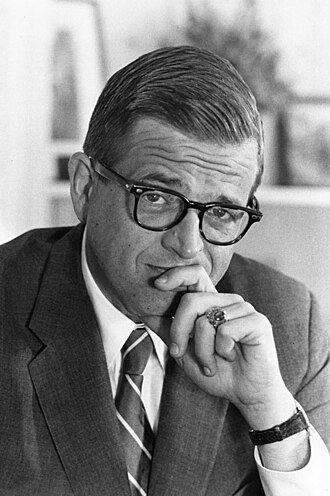
Charles W. Colson served as Special Counsel to the President from November 1969 to March 1973, and concurrently as the Director of the Office of Public Liaison from July 1970 to March 1973. During the White House taping period, Colson acted as Richard Nixon's ruthless political point man and "hatchet man," compiling the infamous "Enemies List" in 1971 and helping establish the White House Plumbers to discredit political opponents. He held both positions until his resignation in March 1973, when he transitioned out of the administration to return to private law practice just before the Watergate scandal fully erupted.
President Nixon and Charles Colson discussed political strategies regarding the administration's China initiative, the economic situation, and media relations. Colson reported positive reactions from senators and public figures concerning the China policy, while they analyzed negative press coverage of Vice President Spiro Agnew’s recent trip. The President emphasized the importance of maintaining strong, positive communication regarding economic policies and instructed Colson to convey his appreciation to Treasury Secretary John B. Connally for his effective work with business leaders.
President Nixon met with his staff and advisors, including H.R. Haldeman and Henry Kissinger, to discuss political messaging, criticism of the Domestic Council, and strategies for upcoming foreign policy initiatives. Nixon expressed frustration with the liberal bias of the media and the academic community, particularly regarding environmental and social issues, and directed his team to sharpen his administration's messaging. Additionally, the participants discussed the logistics and strategic timing of a potential presidential trip to China, weighing the domestic political implications against international relations.
President Nixon and Charles Colson met to discuss the national economy, focusing on rising steel prices, unemployment figures, and the administration's messaging strategy. They addressed the need to manage public perception through economic talking points and discussed strategies to counter political criticism from Senator Lowell P. Weicker, Jr. and other Republicans. Nixon directed Colson to organize a coordinated effort to influence GOP legislators and prepare effective materials for upcoming electoral messaging.
President Nixon and Charles Colson met to discuss strategies for countering negative economic perceptions and managing press coverage, particularly concerning unemployment figures. They planned a coordinated effort involving Cabinet members and economic advisors to meet with business leaders and media editorial boards to shift the narrative toward a positive economic outlook. Additionally, they discussed using the Pentagon Papers to highlight political vulnerabilities of the previous Democratic administration, opting to delay the release of certain sensitive material until after the upcoming Vietnam elections.
President Nixon met with H. R. Haldeman and Charles Colson to discuss the administration's political and public relations strategy, focusing specifically on managing economic perceptions and highlighting foreign policy achievements. The participants critiqued the current distribution of economic talking points to Cabinet members and Congress, resolving to push for more aggressive, simplified communication to counter negative media narratives. Additionally, they reviewed scheduling logistics for upcoming presidential trips to New York, Illinois, and the American West, emphasizing the need for carefully orchestrated events that maximize positive media exposure.
President Nixon and Charles W. Colson reviewed recent public relations efforts and television coverage regarding the President's travel, specifically focusing on reception crowds in Maine and New Hampshire. The two discussed the potential impact of Edith Efron’s book, *The News Twisters*, which alleged that television networks displayed a pro-Democratic bias during the 1968 campaign. They further explored strategies to leverage these criticisms against the media in the lead-up to the 1972 election.
President Nixon and Charles Colson discuss strategies for challenging the credibility of television news networks, specifically citing favorable reports of support for the President in New Hampshire. They highlight the positive reactions from Senator Norris Cotton regarding ABC's coverage and express a desire to continue pressuring media outlets to counter perceived liberal bias. The conversation concludes with a focus on leveraging public opinion and media analysis, such as the work of Edith Efron, to undermine the networks' influence.
President Nixon met with H.R. Haldeman and Henry Kissinger to discuss personnel changes, press relations, and upcoming strategic initiatives. The group reviewed the President's public image, specifically criticizing the media's use of negative adjectives and tone, while coordinating a strategy to promote a media study by Edith Efron. They also reviewed foreign policy issues, including arms control and upcoming diplomatic efforts with China, and addressed the need for strict internal secrecy regarding pending economic policy decisions.
President Nixon and Charles W. Colson discuss the media's failure to provide significant coverage of positive retail sales statistics, noting that only NBC reported on the data to provide balance to their broader economic criticism. Colson explains that the administration relied on Harold Passer to disseminate the figures and clarifies that the data reflected a revision of existing weekly reports rather than a major new development. Nixon expresses frustration over the lack of press attention, highlighting the importance of the 15% sales increase as an encouraging economic indicator.
President Nixon met with staff members, including Ronald Ziegler, Charles Colson, and H.R. Haldeman, to discuss a range of domestic and political issues, including school desegregation policy and public relations strategies. The conversation focused on exploiting political divisions among Democrats regarding the Pentagon Papers and the Vietnam War, and preparing for future economic messaging during the autumn. Additionally, Nixon addressed concerns over a potential security breach involving lost personal notes from a trip to Indiana and coordinated upcoming administrative schedules and briefings.
President Nixon met with Harold Passer and Charles Colson to discuss strategies for improving public perception of the national economy and managing media coverage. The participants evaluated recent positive developments, such as the resolution of labor strikes and the Lockheed bill, while criticizing the press for its persistent negativism regarding economic statistics. Nixon emphasized the need to contrast his administration's economic goals against the records of his predecessors, specifically arguing that the Kennedy and Johnson years were marked by high unemployment or inflation driven by wartime spending.
President Richard Nixon and Charles Colson discuss communication strategy, focusing on how to frame economic performance in contrast to the Democratic administrations of John F. Kennedy and Lyndon B. Johnson. They emphasize criticizing the historical link between Democratic policies, wartime spending, and unemployment. The conversation concludes with an agreement to push a narrative that attributes economic stability to the current administration while framing past prosperity under Democrats as tied to the Vietnam War.
President Nixon and Charles W. Colson discussed economic strategies, specifically focusing on the goal of restoring national prosperity compared to previous administrations. The conversation touched upon the correlation between unemployment rates and the reduction in the size of the Armed Forces. The participants also briefly addressed the international monetary situation and preparations for an upcoming phone call by the President.
President Nixon consulted with Charles Colson regarding political messaging strategy prior to departing for a Quadriad meeting at Camp David. The President directed Colson to ensure that a recent interview given by John Ehrlichman received wider circulation among influential columnists, noting his disappointment with the lack of television network coverage. Colson confirmed that transcripts had already been distributed to several columnists to help maintain the story's momentum in the press.
President Nixon and Charles Colson met to discuss aggressive political strategy, specifically emphasizing the need for the administration to go on the offensive against Democratic rivals and media critics. Nixon instructed Colson to prioritize forcing prominent Democrats—specifically Muskie, Kennedy, and Humphrey—to take public stances on the controversial issue of busing. The President also suggested utilizing this issue to pressure these candidates, particularly among Southern voters, to further the administration's political agenda.
President Nixon met with H. R. Haldeman, John Connally, Charles Colson, and other advisors to assess the public and economic response to his recently announced domestic economic program. The participants discussed the reaction of the stock market, business community, and media to the wage and price freeze, while strategizing on managing political credibility and legislative support. The discussion also addressed necessary administrative adjustments to welfare reform and federal budget cuts, as well as preparations for upcoming briefings with Congressional leaders.
President Nixon, Charles Colson, and Ron Ziegler contacted Secretary John Connally to commend his performance during a recent televised press conference. The participants praised Connally's effective confrontation with the press and his ability to clarify and augment the President's economic initiatives announced the previous evening. Colson specifically highlighted the enthusiastic praise received from CBS President Frank Stanton regarding the broadcast's impact.
President Nixon met with his senior advisors, including John B. Connally and H.R. Haldeman, to formulate a strategy for promoting his newly announced "New Economic Policy" and to address political fallout. The participants discussed the necessity of maintaining a unified, aggressive message, specifically targeting Democratic critics like Hubert Humphrey and labor leaders who might oppose the administration's wage and price freeze. Connally was tasked with representing the administration's economic message to the media and Congressional leaders, while the group emphasized the importance of framing these economic measures as essential for bipartisan national interest and international monetary stability.
President Nixon met with key advisors and members of Congress to discuss the administration's new economic program and strategy for securing legislative support. The participants emphasized the need to maintain political momentum, project unity, and avoid excessive amendments from Democrats that could derail the administration's tax and economic goals. The conversation also covered the effective use of rhetoric to blame political opponents for partisanship, as well as the personnel requirements for managing the newly established wage and price controls under the Cost of Living Council.
President Nixon met with H.R. Haldeman, Charles Colson, and other staff members to finalize plans for upcoming economic policy presentations and public relations efforts. The discussion focused on coordinating a Cabinet meeting and a Congressional address, while strategizing a counterattack against Democratic critics like Edmund Muskie and George Meany. Key decisions included organizing a 'Committee for a New Prosperity' to promote economic initiatives, streamlining staff attendance at high-level meetings, and leveraging support from Republican allies to defend administration policies.
President Nixon and Charles Colson discuss the administration's political strategy for passing legislation related to the wage and price freeze and the upcoming transition to Phase II of the economic program. They review favorable stock market trends and positive congressional feedback regarding the President's scheduled speech to Congress. The participants also coordinate a plan to leverage Federal Reserve Chairman Arthur F. Burns as a primary spokesperson to bolster public and congressional support for the administration's economic initiatives.
President Nixon and Charles Colson discuss the strategic timing of a political surrogate’s upcoming high-profile event to maximize its impact. The conversation focuses on leveraging this individual to counter Democratic opposition despite acknowledged concerns regarding his public image and past controversies. Ultimately, the two coordinate logistics to ensure the surrogate's performance is effectively managed and presented to the public.
President Nixon and Charles Colson discuss strategies for mobilizing Republican senators to publicly support the President’s recent address to Congress. Colson reports on the coordinated effort to stage supportive statements from lawmakers over several days to counter potential media indifference. The two express frustration over the mainstream press, specifically the Washington Post, for failing to adequately report on Republican critiques of Democratic rivals like Edmund Muskie.
President Nixon and Charles W. Colson discuss the positive reception of the President's recent address to Congress, focusing on the enthusiastic congressional reaction and the effectiveness of his delivery. They highlight specific rhetorical successes, including his lines on welfare reform, the "poker chips" analogy regarding foreign policy, and his partisan challenges to Democrats regarding the investment tax credit. To gauge the broader impact of the speech, Nixon instructs Colson to gather feedback from various observers and report back within twenty minutes.
President Nixon and Charles Colson discuss strategies for shaping public perception regarding welfare reform and national economic competitiveness. Nixon emphasizes the necessity of restructuring the welfare system to prioritize labor over government assistance to avoid societal stagnation. The dialogue reflects a broader political messaging effort to frame the administration's economic policies as proactive and competitive rather than isolationist.
President Nixon and Charles Colson discuss the overwhelmingly positive initial reactions to the President's recent address to Congress. The conversation highlights favorable feedback from congressional members, business leaders, and the public, particularly regarding the administration's new focus on American interests, the work ethic, and economic policy. Colson and Nixon review the speech's reception, noting the effective delivery and the strategic decision to frame national economic policy around freedom and an eventual end to the wage-price freeze.
President Nixon and Charles Colson discuss the political fallout and public reception of a recent, significant speech delivered by the President. Nixon reflects on the balancing act of promoting American interests while managing foreign policy expectations, specifically regarding potential troop withdrawals. The brief exchange concludes with an agreement to coordinate further on these messaging strategies from the Oval Office.
President Nixon and Charles Colson reviewed the positive political and public reception of the President's recent speech to Congress, specifically highlighting successful outreach to Republican legislators and labor leaders. They discussed the tactical importance of maintaining control over the narrative regarding the transition from the temporary wage and price freeze to 'Phase II' of the economic program. To mitigate market uncertainty, they decided that Secretary John B. Connally should emphasize the administration's strategic planning and commitment to long-term inflation control during upcoming public communications.
President Nixon and Charles Colson discuss domestic labor issues, public perception of the administration's economic policies, and political maneuvering. The President emphasizes the dignity of manual labor while expressing frustration with current labor contracts and the necessity of maintaining the wage-price freeze to combat inflation. Additionally, the pair touch on potential political prospects for Senator Edward Brooke and internal strategies regarding administrative messaging and public support.
President Nixon and H.R. Haldeman discuss a wide range of political and administrative strategies, including the use of the IRS to target political enemies and the management of media relations. They review the success of the President's recent economic address and television appearance, noting that such broadcasts serve as effective propaganda against the "liberal establishment" media. Additionally, they discuss personnel appointments, the handling of the Attica prison riot, and the necessity of keeping the President's schedule focused on presidential duties rather than excessive political campaigning.
President Nixon and Charles Colson discussed a variety of political and economic issues, focusing on the rising public controversy over school busing and the administration's efforts to promote its economic policies. Colson provided updates on the positive reception of the President's recent speeches on the work ethic and the economy, noting that business leaders and the public are responding with increasing optimism. The two also addressed the progress of the administration's Phase II economic program, with Colson confirming that he has assigned specific staff members to manage the implementation of his proposed plan for public price policing.
President Nixon and Charles Colson met to discuss political strategy and public opinion regarding school busing, foreign policy, and domestic malaise. They evaluated the political impact of busing mandates in cities like Boston, specifically noting the potential for mobilizing Polish-Catholic voters against such policies. Additionally, the conversation touched on the administration's public approval ratings, the perceived moral crisis in America, and the effectiveness of Nixon's recent economic and foreign policy messaging.
President Nixon met with his senior staff and other officials to coordinate legislative strategy, manage public relations, and oversee administrative appointments. Key discussions included the use of polling data to pressure members of Congress on pending tax and pay legislation, the need for Cabinet members to adopt more aggressive public stances against political opponents like Edmund Muskie, and the management of White House press relations. The President also reviewed personnel matters within the military aide office and logistical arrangements for upcoming events and appearances.
President Nixon and Charles Colson discussed political strategy regarding the 1972 campaign, focusing on exploiting recent controversial statements made by Edmund Muskie. They analyzed public sentiment surrounding the Attica prison riots, the administration's economic policies, and the busing issue to solidify support for the President. The conversation culminated in a plan to mobilize congressional support for federal pay policies and to frame the administration's wage-price freeze as a necessary effort for national sacrifice.
President Nixon and Charles Colson met to discuss political strategy regarding the administration's economic policies and public polling. They assessed partisan support for the President's wage and price freeze initiatives, noting that public sentiment remained generally positive toward these measures. The conversation further touched upon political optics, including the importance of maintaining control over economic messaging to sustain voter support.
President Nixon and Charles Colson discuss strategies for securing a pivotal Senate vote on the military draft and managing the associated political fallout. Nixon emphasizes the national security implications of the draft, framing opposition as a threat to global peace initiatives and United States' standing. They assess the legislative outlook, expressing confidence that winning a key tabling motion will psychologically defeat the opposition and stall the ongoing debate.
President Nixon met with American Legion leaders, including John H. Geiger and William F. Hauck, to secure the organization's support for his foreign policy, military draft initiatives, and economic agenda. Nixon emphasized the necessity of maintaining military and economic strength to ensure national security and a favorable position in international negotiations, urging the Legion to pressure Congress to sustain the draft. Additionally, the participants discussed concerns regarding the Veterans Administration budget, specifically addressing funding for drug abuse and venereal disease programs, and Nixon promised to coordinate further on these issues through Charles Colson.
President Nixon met with H. R. Haldeman, Stephen Bull, Ronald Ziegler, and Charles Colson to discuss administration strategy regarding press relations, Supreme Court vacancies, and pending legislation. The group analyzed the political impact of recent press interactions—specifically focusing on the benefits of in-office press conferences—and debated the utility of hosting various interest groups at the White House. Additionally, the President and his staff discussed reactions to the military draft extension bill, notably countering Democratic rhetoric regarding 'Nixon's war,' and finalized plans for managing upcoming media exposure to maintain effective political control.
President Nixon met with Representative Robert T. Stafford, his wife Helen, and members of his staff to discuss political matters and engage in a photo opportunity with the press. During the session, the President formally announced the resignation of Supreme Court Justice Hugo Black. The participants also engaged in informal conversation regarding the President’s past experience in the House of Representatives and exchanged commemorative presidential gifts.
Alexander P. Butterfield, Charles W. Colson, and John D. Ehrlichman convened in the Oval Office to discuss administrative operations and scheduling matters. The brief interaction focused on the staff's need for dedicated time to manage official White House work. The recording concludes abruptly before any significant decisions or follow-up actions could be finalized.
President Nixon and Charles Colson reviewed positive public relations developments and favorable economic trends in the wake of the administration's recent policy initiatives. They discussed successful outreach efforts involving political endorsements from Miss America and US Jaycees members, as well as the positive reception of staff field trips in Columbus and Dallas. Additionally, they examined economic data from Albert Sindlinger and Harold Passer, concluding that consumer sentiment and retail metrics remained strong despite the impending release of the Consumer Price Index.
President Nixon, Charles Colson, and Henry Kissinger met to discuss the strategic timing of military actions in Vietnam, the upcoming PRC summit, and the influence of these events on international negotiations and domestic political stability. The discussion emphasized leveraging air strikes against enemy supply lines, particularly in Cambodia, to apply pressure on North Vietnam. Kissinger and Nixon also analyzed how the 1972 election cycle might impact the willingness of North Vietnam and the Soviet Union to engage in serious diplomatic agreements.
President Nixon and Charles Colson confer regarding the administration’s economic strategy and public relations efforts, specifically focusing on the Consumer Price Index and its implications for October 1971. The discussion touches upon political strategy related to the draft and administrative management, including George Shultz’s role and communications with George Romney. Additionally, the pair evaluates the political fallout surrounding the Pentagon Papers and internal Cabinet dynamics involving James D. Hodgson.
President Nixon and Charles Colson discussed the administration's strategy for managing negative economic headlines, specifically focusing on the recent Consumer Price Index (CPI) report and its impact on the stock market. Colson argued that the CPI figures were misleadingly calculated and did not reflect the success of the ongoing wage-price freeze, noting that he had coached Secretary of Labor James Hodgson to defend these figures publicly. The two also addressed the perceived bias within the Bureau of Labor Statistics and discussed the necessity of appointing a loyalist to oversee the agency to combat biased reporting on economic indicators.
President Nixon and Charles W. Colson met to discuss political strategy regarding economic data and the legislative agenda. Nixon directed Colson to pressure Congress to pass revenue sharing, welfare reform, and his economic program, insisting that lawmakers should not adjourn for the holiday until these measures were completed. The conversation also touched upon the reliability of economic indicators, with both men agreeing that the administration should not be overly reactive to fluctuating monthly employment and CPI figures.
President Nixon and Charles Colson discussed the administration's economic messaging strategy, specifically focusing on the perceived anti-administration bias within the Bureau of Labor Statistics (BLS). Nixon expressed frustration with negative economic headlines and ordered an aggressive effort to replace weak personnel with "tough" officials who would actively manage and interpret economic data to support the White House agenda. They agreed to coordinate cabinet members, including John Connally, George Romney, and John Volpe, to publicly champion the success of the wage-price freeze and attack political opponents using more favorable state-level economic figures.
President Nixon and Charles Colson discuss strategies to manage the political impact of Bureau of Labor Statistics (BLS) economic and unemployment data, which Nixon views as a significant vulnerability. Expressing frustration with the current department leadership, the President directs Colson to install tougher, more politically aligned personnel to counter perceived biases and better communicate the administration's economic successes. Nixon further instructs his staff to proactively emphasize positive economic trends while dismissing negative figures, framing the administration's progress as a significant improvement over previous Democratic administrations.
President Nixon and Charles Colson reviewed the positive public and market reaction to the President's recent media appearance and discussed strategies to maintain political momentum. They assessed the diminishing impact of the Vietnam War as a campaign issue and strategized on how to leverage upcoming Supreme Court appointments to solidify support among conservatives. Colson also committed to orchestrating public pressure from the White House to ensure both judicial vacancies are filled by conservative candidates.
President Nixon met with his senior advisors and Henry Kissinger to discuss pressing political, economic, and foreign policy matters, including the handling of Justice Hugo Black's funeral, the legislative challenge of the Mansfield amendment, and the upcoming strategy for Vietnam. Nixon expressed a desire to avoid the public exploitation of funerals and the visible presence of Secret Service agents on running boards, while also directing a low-key approach to his attendance at Justice Black's service. The conversation further addressed managing the economy to ensure a stable political environment and finalized scheduling for diplomatic meetings with the International Monetary Fund and Soviet official Andrei Gromyko.
President Nixon met with Republican congressional leadership, staff, and advisors to coordinate the administration’s legislative agenda for the final months of the 1971 session. The discussion focused on securing passage of the President's tax package, welfare reform, and revenue-sharing initiatives, while navigating difficult Senate opposition and House parliamentary hurdles. Nixon emphasized the urgent need for political pressure on Democrats regarding a federal wage deferral bill and outlined strategies for upcoming Supreme Court nominations to ensure successful confirmations.
President Nixon expressed urgent frustration to Charles Colson regarding the lack of public mail support reaching Congress for his proposed pay deferral legislation. Nixon noted that legislative leaders, including Gerald Ford, reported being overwhelmed by opposition from government unions while receiving no backing from business groups like the NAM or the Chamber of Commerce. The President directed Colson to immediately mobilize these organizations to generate a substantial letter-writing campaign before the upcoming Tuesday vote.
President Nixon, H. R. Haldeman, Henry Kissinger, and Charles Colson met to coordinate administration strategy regarding the upcoming Mansfield Amendment vote in the House, Kissinger’s secret trip to the People’s Republic of China, and the President’s scheduled address to the National League of Families. The participants discussed managing potential legislative defeats, minimizing the political fallout of the China announcement on the upcoming UN Taiwan vote, and addressing criticism from Senator Edward Kennedy regarding POWs. Nixon ultimately decided to maintain a low-profile approach for his visit to the POW families and affirmed his intent to control the China trip logistics without State Department interference.
President Nixon and Charles Colson discuss efforts to generate congressional mail support for the administration's economic program, specifically targeting legislative opposition to a proposed pay raise. Nixon stresses the necessity of pressuring business groups like the Chamber of Commerce to ensure compliance with the campaign. Additionally, the pair discusses political messaging against Senator Edward Kennedy regarding his criticisms of the administration’s handling of prisoners of war in Vietnam.
President Nixon and Charles Colson discuss the political fallout from Nixon's surprise appearance at a POW wives convention and coordinate a strategy to neutralize Democratic criticism. Nixon instructs Colson to mobilize Republican allies, specifically mentioning Barry Goldwater, to publicly attack Senator Edward Kennedy for his recent statements on the war. Additionally, they discuss intensifying pressure on Democrats regarding the administration's economic policies, with Nixon explicitly directing Colson to label those delaying federal economic legislation as being "out of step with the country."
President Nixon and Charles Colson discuss strategies to attack Senator Edward Kennedy’s recent remarks on Vietnam, comparing them to past controversial statements by John F. Kennedy. They prioritize generating political opposition to Kennedy's stance and coordinating a firm administration response, particularly from Secretary of State William P. Rogers. Additionally, the conversation covers managing economic policy, specifically framing legislative opposition to a federal pay increase as a sabotage of the President's efforts to control the cost of living.
President Nixon met with L. Scott Olson and a group of newspaper carriers participating in 'Project Amnesty' to host them at the White House. During the brief, informal visit, the President engaged in lighthearted conversation, inquired about the participants' work, and discussed the profession of newspaper delivery. The meeting concluded with Nixon presenting the carriers with official gifts as a gesture of appreciation.
President Nixon met with representatives from the Veterans of Foreign Wars (VFW), including Joseph L. Vicites and Cooper T. Holt, to discuss the organization's steadfast support for his policies in Southeast Asia and his handling of the prisoner of war (POW) situation. The discussion covered the VFW's efforts in veteran assistance programs, such as drug addiction support, and the President's upcoming diplomatic initiatives, specifically his approach toward communist nations including China. The participants also touched upon the 1972 presidential campaign, with the VFW leadership affirming their organization's alignment with the President over his Democratic critics.
President Nixon consulted with aides John Mitchell, Charles Colson, H. R. Haldeman, Henry Kissinger, and John Connally regarding strategic messaging for the upcoming Phase II economic policy and the political fallout of his planned trip to the People's Republic of China. The participants coordinated a media roll-out for the economic plan, specifically scheduling Connally to hold a follow-up press conference to anchor the administration's position after the President’s speech. Additionally, the group discussed the positive impact of the China announcement on foreign policy optics, successfully shifting media focus away from the recent South Vietnamese election.
President Nixon and Charles W. Colson discussed the political landscape in the Senate, specifically concerning upcoming votes on a federal pay raise and the administration's ability to block or compromise on legislation. The two analyzed the motivations of Democratic rivals, including Hubert Humphrey, Edmund Muskie, and Edward Kennedy, while evaluating the potential impact of their public comments and media perception on Nixon's administration. They also reviewed recent polling data from Louis Harris and George Gallup, and discussed the economic outlook, particularly the upcoming unemployment and wholesale price figures and their influence on labor relations.
President Nixon and Charles Colson reviewed positive economic indicators, including wholesale price drops and stock market gains, to assess the success of the administration's wage-price freeze and upcoming Phase II announcements. They also discussed legislative strategy regarding a tax package and the Mathias Amendment in the Senate, agreeing to stall if necessary to secure a favorable outcome. Additionally, Colson reported on polling data from Albert Sindlinger and Louis Harris, which indicated that public confidence in the President’s economic leadership remained strong and that union leader George Meany’s opposition was negatively impacting his standing among labor members.
President Nixon met with Charles W. Colson and Manolo Sanchez in the Executive Office Building to handle administrative tasks and personal coordination. The discussion primarily focused on the management of specific documents or materials that required relocation. While the exchange was brief and included the brief attendance of Sanchez, it functioned as a routine logistical session between the President and his staff.
President Nixon met with speechwriter William Safire to finalize a draft for an upcoming address regarding Phase II economic policies, including wage and price controls. The discussion focused on refining the speech's tone and messaging, specifically emphasizing the connection between economic prosperity and peace, while integrating positive feedback from the public. Nixon directed that the finalized text be reviewed by key economic advisors, including John Connally and George Shultz, to ensure broad consensus without excessive outside input.
President Nixon and Charles Colson discuss a significant surge in the stock market, which Colson attributes to the passage of a tax bill and the positive anticipation surrounding the President's upcoming Phase II economic policy speech. The two also verify positive data regarding wholesale prices, noting a rare decline that provides favorable optics for the administration's economic efforts. Colson reports that speechwriter William Safire is incorporating this favorable pricing data into the President's scheduled remarks.
President Nixon and Charles Colson reviewed the administration's political and economic momentum ahead of a televised address regarding the Phase II transition of his New Economic Policy. They discussed the positive impact of Nixon's recent decision to invoke the Taft-Hartley Act in response to the West Coast dock strike and noted favorable polling trends indicating strong public support for the administration's inflation-fighting measures. Colson also updated the President on efforts to politicize recent comments made by Senator Edward Kennedy and confirmed that they were successfully managing expectations for the upcoming wage and price restraint program.
President Nixon and Charles Colson discuss political strategy, focusing on public support for the administration's economic policies and the labor front. They review the declining poll numbers of potential Democratic challenger Edmund Muskie and analyze the effectiveness of using constituent letters to bolster the President's upcoming speech on inflation. The conversation concludes with a focus on maintaining messaging control and political momentum in anticipation of further congressional and public engagement.
President Nixon met with H. R. Haldeman and Charles Colson to coordinate the announcement of Donald Rumsfeld's new role as director of operations for the Cost of Living Council. The group also collaborated with William Safire on speech drafts and messaging regarding favorable economic indicators, specifically focusing on declining industrial and wholesale prices. Throughout the discussion, the President emphasized the importance of framing these economic developments positively to build public confidence in his administration's policies.
President Nixon and Charles Colson spoke shortly after Nixon delivered a nationally televised address outlining his Phase II economic controls. Colson relayed positive feedback from various observers, including pollster Louis Harris and Senator Barry Goldwater, who praised the President’s display of decisive leadership and strength. They also discussed the effective use of personal letters in the speech to humanize the administration's economic policies and briefly addressed the President's interest in potentially making a surprise visit to a concert at the Kennedy Center.
President Nixon and Charles Colson discuss potential evening entertainment options at the Kennedy Center. Colson clarifies the scheduling of Eugene Ormandy’s performance at Constitution Hall and identifies the current acts at the Kennedy Center, specifically the Alvin Ailey Dance Theatre and the Chamber Orchestra of Mexico City. Nixon expresses skepticism regarding the appeal of the current Kennedy Center programming, prompting Colson to offer to conduct further research on the events.
President Nixon and Charles Colson discuss a military band concert being held at the Kennedy Center, prompted by conflicting reports regarding the event's nature and media coverage from the Washington Post. Nixon directs Colson to verify the event's dress code and private status, expressing potential interest in attending the end of the performance if appropriate. Colson agrees to investigate the details immediately and report back to the President.
President Nixon and Charles Colson discuss the logistics of the President’s last-minute attendance at a performance by the Interservice Symphonic band at the Kennedy Center. Colson provides details regarding the dress code and composition of the audience to ensure the President feels comfortable appearing in a business suit. Nixon ultimately decides to attend and directs Colson to notify the event organizers to hold the presidential box for his arrival within ten minutes.
President Nixon and Charles Colson discuss strategies to bolster public support for the administration's economic program, specifically focusing on influencing media coverage and managing labor union relations. They express satisfaction with positive Harris poll results and coordinate efforts to marginalize Democratic rival Edmund Muskie. Additionally, they plan to aggressively promote Edith Efron’s book as a way to critique CBS media bias, prioritizing this effort as a significant political goal.
President Nixon and Henry Kissinger met to finalize the logistics and strategy for the upcoming presidential trip to the People's Republic of China, with a primary focus on maintaining extreme operational security and minimizing the size of the accompanying delegation. Nixon mandated that the traveling party remain as small as possible—eschewing excessive communications infrastructure, large staff support, and luxury services—to ensure the trip remained a focused, high-level diplomatic mission rather than a media spectacle. Furthermore, they coordinated on the messaging for the concurrent US-Soviet Union summit, prioritizing the need for the President to personally manage the briefing while maintaining a carefully controlled sense of mystery regarding the geopolitical agenda.
President Nixon and Charles Colson discuss the political fallout and strategic success of the President's recent announcement regarding a planned USSR summit, noting its effectiveness in sidelining Democratic challenger Edmund Muskie. The pair also reviews the administration's leverage over labor leader George Meany regarding wage settlements and ongoing anti-inflationary measures. To capitalize on this momentum, they confirm an upcoming meeting between the President and pollster Louis Harris to assess the administration's improved standing.
President Nixon, Henry Kissinger, Charles Colson, and Ronald Ziegler met to discuss the administration's foreign policy achievements, particularly regarding the Soviet Union and China. The participants emphasized the strategic necessity of maintaining a balance between these two powers while managing domestic and international skepticism. They also evaluated potential successors to the presidency, weighing the qualifications and political viability of figures such as John Connally, Spiro Agnew, and Nelson Rockefeller, while noting the unique pressures and emotional toll of the office.
President Nixon met with H.R. Haldeman and other staff members to coordinate various administrative tasks, including the logistics for his upcoming trip to the People's Republic of China, press management, and the vetting of Supreme Court nominees. A significant portion of the discussion focused on limiting the size of the accompanying press corps to ensure efficiency and control the narrative. Additionally, Nixon reviewed his upcoming schedule, debated the political strategy for managing the Republican Party's image, and discussed the appropriate protocol for social events and visitor interactions at the White House.
President Nixon expressed frustration to Charles Colson regarding the lack of vocal enthusiasm and public support from Republican congressional leadership for administration initiatives. Nixon urged Colson to ensure that congressional leaders, specifically Clark MacGregor and William Timmons, take a more proactive role in managing public statements from GOP lawmakers. Colson agreed to coordinate with staff to draft messaging and provide the direct guidance necessary to encourage Republican members to publicly champion the President's policy agenda.
President Nixon met with H.R. Haldeman and pollster Louis Harris to discuss administrative logistics, public opinion, and political strategy regarding his economic policies and international relations. They evaluated the effectiveness of recent diplomatic initiatives, including upcoming summits with the Soviet Union and China, and explored strategies for managing public expectations regarding inflation and wage-price controls. The conversation concluded with an analysis of current polling trends on sensitive social issues, such as busing and racial politics, and a review of the President's public standing.
President Nixon met with H. R. Haldeman and Charles Colson to discuss media relations, public opinion, and political strategy heading into the 1972 election cycle. The conversation focused on efforts to promote favorable literature, manage network coverage of the administration's foreign policy initiatives, and monitor the activities of political rivals like Edward M. Kennedy. The participants also evaluated the performance of Republican spokesmen and considered adjustments to the President's schedule to bolster public support for his economic and diplomatic agendas.
President Nixon and Charles Colson reviewed positive economic indicators, including rising industrial production, housing starts, and retail sales, while discussing strategies to leverage favorable polling data and media narratives. They analyzed various public opinion polls, including Gallup, Harris, and Sindlinger, to assess the President's standing and Democratic fragmentation. Additionally, they coordinated efforts to criticize network news coverage via allies like William L. Springer and Dean Burch and noted strong support for the President among youth groups such as the Future Farmers of America.
President Nixon, Charles W. Colson, and Ronald L. Ziegler met to coordinate upcoming administrative communications and scheduling priorities. The discussion centered on managing the press rollout for John B. Connally’s diplomatic travel to Asia, handling public relations for First Lady Pat Nixon’s reception at the Kennedy Center, and finalizing preparations for upcoming legislative announcements regarding the Wage and Price Board. The group also reviewed the status of potential Supreme Court nominations while emphasizing a need for discretion regarding controversial public commentary.
President Nixon met with H.R. Haldeman and Charles Colson to discuss a broad range of domestic political strategies, including countering media and congressional opposition to potential Supreme Court nominees. The group examined methods to undermine the influence of the "Common Cause" organization and evaluated the political utility of the Kennedy Center, including its management and potential renaming. Additionally, they reviewed strategies for leveraging Lyndon B. Johnson’s memoir to discredit political opponents and analyzed positive economic trends in housing starts despite ongoing stock market volatility.
President Nixon and Charles Colson discuss the administration's recent legislative victory in the House regarding Mansfield amendments and the broader congressional agenda. The two review positive polling trends, including favorable data from Gallup and Sindlinger, and analyze the political implications of recent events such as the North Carolina reception and textile agreements. Additionally, they touch upon economic performance and the importance of maintaining positive public perception through the conclusion of the legislative session.
President Nixon and Charles Colson discuss recent legislative successes in the House of Representatives, specifically regarding efforts to reject Senate amendments. The conversation shifts to economic outlooks, where Nixon expresses frustration with cautious economic analysts and optimism for a strong consumer-driven Christmas season. They further address the need for disciplined control over inflation and economic messaging to foster positive public perception.
President Nixon and Charles Colson discuss strategies to counter aggressive political attacks from Senator Edward M. Kennedy, particularly regarding recent Supreme Court nominations and Kennedy’s attempt to associate the administration with the John Birch Society. They assess polling data from Connecticut that shows Nixon gaining significant ground against Kennedy and Muskie, and they explore ways to leverage the President’s support among Catholic voters regarding parochial school aid. To push back against negative media coverage and opposition rhetoric, Nixon directs Colson to have cabinet members and Republican leadership more forcefully challenge Kennedy’s "gutter politics" and promote the administration's recent successes.
President Nixon and Charles Colson discuss strategies for shaping public opinion and defending the administration against political opponents, particularly regarding the need for more aggressive advocacy from White House officials. They analyze recent polling data for Connecticut and national sentiment toward political rivals like Senator Edward Kennedy. The conversation concludes with a directive for Colson to coordinate with Pat Buchanan to draft a strong public statement condemning their opponents' tactics as "dirty gutter politics."
President Nixon and Charles Colson discuss administration strategy, focusing on upcoming Supreme Court nominations, economic indicators, and public opinion. They celebrate the strategic release of nominees with high academic credentials to neutralize criticism regarding "excellence" and "judicial philosophy." Furthermore, they review the current economic climate, expressing concerns about Federal Reserve Chairman Arthur Burns's monetary policies, and analyze recent polling data that shows rising support for the President.
President Nixon and Charles Colson met to discuss the pending Supreme Court nominations of Lewis Powell and William Rehnquist. The President expressed his confidence in the nominees and emphasized the importance of their judicial appointments to the broader government agenda. The conversation also touched upon broader concerns regarding public trust in government and the challenges of managing political discourse.
President Nixon and Charles Colson discuss strategies for securing the confirmation of Supreme Court nominees William H. Rehnquist and Lewis F. Powell, Jr. following the President's recent announcement. They weigh the political challenges posed by opposition from groups like the American Bar Association and individual Democrats, specifically Edward M. Kennedy. Nixon emphasizes the nominees' superior academic and professional credentials as a defense against criticism and stresses the importance of maintaining momentum for their confirmation.
President Nixon met with Charles Colson to discuss public relations regarding his recent Supreme Court nominations and the effectiveness of his televised addresses. Following this, the President hosted a group of governors who had recently returned from a trip to the Soviet Union and Romania, briefing them on the diplomatic importance of their mission. Nixon emphasized the need for a professional security approach during future reciprocal visits and provided guidance on how the governors should frame their positive reports to the press while acknowledging the serious differences between the United States and the Communist bloc.
President Nixon met with Stephen Bull and Alexander Butterfield to coordinate logistics for an upcoming meeting with Vice President Spiro Agnew, specifically focusing on scheduling and arrival details. Following this, Charles Colson joined the President to discuss press reaction to recent Supreme Court nominations, including critical commentary from CBS newsman Dan Rather. The conversation concluded with a discussion on managing media relations and the administration's ongoing efforts to pressure news organizations regarding their reporting.
President Nixon and Charles Colson discuss the administration's favorable public reception to the Supreme Court nominations of Lewis F. Powell, Jr. and William H. Rehnquist, and the effectiveness of Nixon's recent radio address. They also review the looming political difficulty of the upcoming United Nations vote regarding the expulsion of Taiwan, expressing concerns about a potential loss while discussing damage control strategies. Finally, they analyze current political polling, focusing on the declining standing of Edmund Muskie and the administration's efforts to project strong leadership on economic issues.
President Nixon and Charles Colson discuss public relations strategies and the administration's political positioning regarding upcoming economic challenges and polling data. They review the potential negative impact of certain staffing losses while emphasizing the need to maintain a positive public narrative through effective media management. The conversation concludes with directives to bolster the visibility of Donald Rumsfeld and prepare for shifting political tides within the Democratic Party.
President Nixon and Charles Colson reviewed the status of recent anti-war demonstrations, noting that poor weather and low turnout had minimized their impact. They discussed a strategy to weaken the organization Common Cause by pressuring administration officials associated with the group to resign. Additionally, the pair coordinated plans to boost the administration's public image through economic messaging, specifically regarding public service employment and the promotion of favorable economic indicators.
President Nixon met with a group of Vietnam veterans and their guests to discuss their experiences, the status of the war, and the ongoing American effort in South Vietnam. The participants shared their perspectives on the conflict, including their involvement in local community projects and the challenges of accurately portraying the war effort to the American public. Nixon emphasized his commitment to the survival of South Vietnam and criticized media coverage and congressional efforts that he argued undermined the war's objectives and the morale of the armed forces.
President Nixon met with H. R. Haldeman, Charles Colson, and other staff members to discuss political strategies following the United Nations vote to expel Taiwan. The participants focused on channeling public frustration away from the administration and toward the United Nations itself, considering symbolic actions such as reduced funding or critical public statements. Additionally, the group reviewed the 1972 political landscape, potential Democratic presidential tickets, and the progress of upcoming Supreme Court confirmation hearings for Rehnquist and Powell.
President Nixon met with Charles Colson and Ronald Ziegler to discuss the strategic framing of the recent United Nations vote to expel Taiwan. They focused on leveraging public outrage regarding the perceived hostility of the UN delegates to bolster support for the President’s leadership and his new economic policy. Nixon and his advisors decided to have George H.W. Bush speak to friendly columnists to emphasize the administration's active efforts to fight the expulsion, while maintaining the President's public stance of supporting the UN institution despite his frustration with its actions.
President Nixon met with his budget and domestic policy advisors, including John Ehrlichman and John Mitchell, to evaluate the political and economic feasibility of a proposed Value Added Tax (VAT) as a mechanism to fund public and private education. The primary objectives of the plan were to provide federal relief for local property taxes, address the California Supreme Court’s school funding ruling, and extend aid to parochial schools to appeal to blue-collar Catholic voters. The participants debated the political risks of proposing a new federal tax in an election year versus the potential benefits of offering tangible relief to homeowners and securing support from key constituencies.
President Nixon met with H.R. Haldeman and Charles Colson to refine political strategies, focusing on the potential for federal tax relief to appeal to key demographics, specifically Catholics and homeowners, through a proposed property tax relief act. The discussion also addressed foreign policy, with Nixon expressing intense frustration over the UN's expulsion of Taiwan and authorizing a strategy of rewarding allies and punishing those who voted against U.S. interests. Finally, Henry Kissinger joined to brief the President on his recent press engagement, where he managed expectations regarding Nixon's upcoming trips to China and the Soviet Union while defending the administration's stance on the UN vote.
President Nixon, Charles Colson, and Henry Kissinger discuss recent political developments, focusing on the public reaction to the U.N. vote regarding Taiwan and the President's upcoming trip to China. They analyze Senator Hugh Scott's effective leadership, the political fallout from the U.N. proceedings, and the ongoing public interest in the Harris Poll. Additionally, Nixon instructs Colson to coordinate a private, off-the-record meeting between Arthur Burns and a group of influential business leaders to communicate an optimistic outlook on the national economy.
President Nixon met with Henry Kissinger and Charles Colson to discuss foreign policy developments, specifically focusing on the unstable future of Yugoslavia following the eventual departure of Josip Broz Tito. They examined concerns regarding Soviet interference in the region and evaluated recent diplomatic communications with Yugoslav foreign minister Mirko Tepavac. Additionally, the group reviewed the domestic and international political fallout concerning United States policy toward the People's Republic of China, including recent congressional reactions.