Haldeman, H. R. ("Bob")
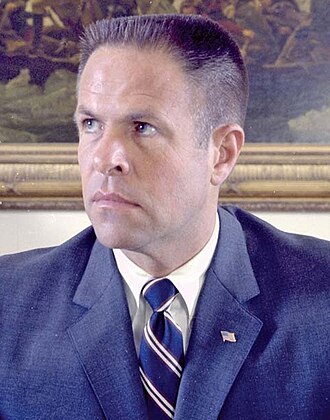
H. R. ("Bob") Haldeman served as President Richard Nixon's White House Chief of Staff from January 1969 until his resignation in April 1973. Acting as Nixon's primary gatekeeper and closest aide, Haldeman was a central figure during the White House taping period and is featured prominently in hundreds of recorded conversations. His tenure ended abruptly when he was forced to resign due to his deep involvement in the Watergate cover-up, most notably captured directing the obstruction of justice on the infamous "Smoking Gun" tape.
What Haldeman talks about on the tapes
Public relations 579Vietnam War 411Political strategy 286Foreign Policy 234Presidential scheduling 209Economic policy 202Henry Kissinger 195Congressional relations 176Press relations 161Watergate 159White House operations 151White House administration 145
Conversations (2,364)
— Page 6 of 24H. R. Haldeman and Treasury Secretary John Connally coordinated lobbying efforts to secure support for the Lockheed loan guarantee legislation. They reviewed the status of various senators, noting disappointing results from President Nixon's outreach to Barry Goldwater and George Aiken. The pair strategized on further persuasion tactics, specifically requesting presidential contact with J. Caleb Boggs while agreeing to abandon efforts to influence William V. Roth, Jr. due to perceived conflicts of interest.
H. R. Haldeman initiated a telephone call through the White House operator to contact Clark MacGregor. The conversation served as a brief administrative bridge to facilitate direct communication with MacGregor. No substantive policy matters were discussed during this brief connection.
H. R. Haldeman and Clark MacGregor coordinated the administration's lobbying efforts regarding the pending Lockheed loan guarantee legislation. They reviewed President Nixon’s progress in securing necessary votes, noting that Senator William V. Roth, Jr.'s opposition was pressuring Senator J. Caleb Boggs to withhold his support. Haldeman directed MacGregor to report to the Oval Office immediately to strategize further on securing the required Senate backing.
H. R. Haldeman coordinates with the White House operator to establish a direct line of communication with Treasury Secretary John B. Connally. After the operator encounters difficulty reaching Connally, Haldeman instructs the staff to physically locate him to ensure the connection is made. The exchange highlights the logistical efforts required to facilitate urgent high-level administrative discussions during the Nixon presidency.
H. R. Haldeman and Treasury Secretary John B. Connally coordinated a schedule change for an upcoming meeting with President Nixon. They agreed to move the appointment from Friday morning to 2:00 p.m. that afternoon to better accommodate the President's needs. The conversation concluded with the meeting successfully rescheduled.
President Nixon met with H.R. Haldeman and John Mitchell to discuss a wide-ranging agenda encompassing the 1972 campaign strategy, potential Cabinet-level personnel shifts, and upcoming major economic policy decisions. The group evaluated the political ramifications of the President's recent overtures to China, the ongoing busing controversy, and the necessity of managing conservative Republican factions. A significant portion of the discussion focused on a proposed package of economic interventions, including a possible wage and price freeze, to address domestic inflation and international monetary concerns. These deliberations underscored a transition toward more direct administrative control over economic policy as the 1972 election cycle approached.
President Nixon coordinated with H. R. Haldeman to arrange a meeting with Treasury Secretary John B. Connally. The President directed that the appointment be scheduled between 10:30 a.m. and 12:30 p.m. at the Executive Office Building, specifically requesting that Connally maintain the existing plans.
President Nixon and H. R. Haldeman coordinate the scheduling of an upcoming meeting, potentially involving Henry Kissinger. The President grants Haldeman flexibility in his timing, indicating a brief window of availability to discuss outstanding matters. No substantive policy decisions were reached, as the dialogue served primarily as a logistical exchange to facilitate further private consultations.
President Nixon met with several senior advisors and staff members, including H. R. Haldeman, John Ehrlichman, Henry Kissinger, and Clark MacGregor, to manage a range of domestic and foreign policy issues. The discussions focused on navigating the fallout of the steel industry settlement, celebrating the recent legislative victory regarding the Lockheed loan guarantee, and refining the administration's stance on busing in Texas schools. Furthermore, the participants coordinated the logistics and messaging for the President’s upcoming press conference, his travel schedule, and his approach to ongoing concerns such as the Vietnam War and the Pentagon Papers.
President Nixon and H. R. Haldeman consulted on strategic planning for an upcoming presidential press conference. They discussed utilizing a photo opportunity in the Oval Office with key advisors, including William Rogers, Henry Kissinger, and John Connally, as a tactical distraction to divert the press from the true focus of the event. The pair evaluated the timing and logistical implementation of this media management plan.
President Nixon and H. R. Haldeman met to coordinate the President's upcoming schedule and review staff memoranda. The discussion centered on delegating assignments to advisors, including Patrick J. Buchanan, William L. Safire, Richard A. Moore, and John A. Scali, specifically regarding economic policy. They evaluated the effectiveness of recent communications and addressed potential logistical adjustments for future meetings.
President Nixon and H. R. Haldeman met to coordinate staffing and public relations strategies regarding Treasury Secretary John Connally. The discussion focused on the timing and management of upcoming personnel announcements to ensure they aligned with the President’s travel schedule to California. The primary objective was to finalize a decision on when to publicly reveal these administrative shifts.
President Nixon and H. R. Haldeman coordinated upcoming travel arrangements to Maine and New Hampshire, specifically discussing protocols for interacting with Senator Margaret Chase Smith. The discussion also addressed strategies for managing negative press coverage, including plans to correct inaccuracies in a Newsweek article regarding Vice President Agnew’s trip to Africa. Additionally, the pair reviewed the President's logistical schedule and upcoming public appearances.
President Nixon and H.R. Haldeman reviewed administrative and political priorities, specifically focusing on the status of government reorganization plans regarding the Office of Management and Budget and the Federal Reserve. They discussed strategies for engaging business leaders and economic editors to improve public and media perception of the national economy. Additionally, the pair evaluated the political fallout of recent busing controversies and reviewed potential responses to Democratic critiques on foreign policy and domestic issues.
President Nixon and H. R. Haldeman held a brief meeting in the Old Executive Office Building to discuss the administration's ongoing efforts regarding government reorganization. The discussion focused specifically on the Federal Reserve Board and its structural role within the federal apparatus. The dialogue served as a consultation to align strategies for potential changes to the organization of government agencies.
President Nixon, H.R. Haldeman, Henry Kissinger, and John Connally met in the Oval Office to analyze the success of the President's recent press conference and strategize on forthcoming communication regarding the economy and foreign policy. The group discussed the importance of managing public perception of the administration's economic initiatives and the strategic sequencing of potential summit meetings with the Soviet Union versus the upcoming visit to the People's Republic of China. Additionally, the President and his staff coordinated his travel schedule, focusing on balancing public engagements at the Illinois State Fair and the Grand Teton National Park with necessary time for speech preparation and internal meetings.
President Nixon, Henry Kissinger, and H. R. Haldeman met to coordinate communication strategies and manage relations with various political factions and the media. Key discussions focused on neutralizing conservative opposition to the Administration's foreign policy—specifically regarding China and defense budget concerns—and crafting a narrative that prioritized the President's foreign policy successes over economic criticisms. The group also evaluated the impact of recent presidential trips on public opinion and planned upcoming public relations efforts to highlight legislative inaction by Congress and address the ongoing debate over the Pentagon Papers.
President Nixon met with H. R. Haldeman and Charles Colson to discuss the administration's political and public relations strategy, focusing specifically on managing economic perceptions and highlighting foreign policy achievements. The participants critiqued the current distribution of economic talking points to Cabinet members and Congress, resolving to push for more aggressive, simplified communication to counter negative media narratives. Additionally, they reviewed scheduling logistics for upcoming presidential trips to New York, Illinois, and the American West, emphasizing the need for carefully orchestrated events that maximize positive media exposure.
President Nixon met with Stephen B. Bull and H. R. Haldeman to review logistics for upcoming White House events, specifically a meeting with farm editors and various gift distributions. The President expressed frustration regarding an overly packed daily schedule, emphasizing the need for better pacing to avoid exhaustion and ensure productive engagements. Consequently, he instructed his staff to tighten the flow of meetings and streamline future scheduling to provide more breathing room at the end of the day.
President Nixon met with H. R. Haldeman and Henry Kissinger to dictate several administrative memoranda regarding personal outreach and regional intelligence. He directed a congratulatory message to be sent to baseball player Harmon Killebrew and requested communication with Billy Graham. Additionally, Nixon addressed a missionary report concerning tribal irregular forces in Laos, highlighting their strategic importance in countering communist influence in Southeast Asia.
President Nixon met with Henry Kissinger and H.R. Haldeman to coordinate high-level foreign policy initiatives, specifically focusing on the status of Vietnam peace negotiations, potential US-China relations, and ongoing diplomatic channels with the Soviet Union. The discussion addressed the political implications of Vietnam POW releases, the management of sensitive communications through unofficial channels, and strategic defense budgetary concerns regarding anti-ballistic missile limitations. Additionally, the participants touched upon Nixon's domestic popularity and the perceived conservative shift in the national mood, which they viewed as favorable for the President's upcoming political prospects.
President Nixon and H.R. Haldeman met to coordinate the logistical arrangements for upcoming meetings with John B. Connally, Rudolph A. Peterson, and Congressional leadership. The pair focused on the spatial organization of the Oval Office, specifically discussing the optimal seating placement for the Congressional leaders. They ultimately decided to move the leadership seating to the left bench to better accommodate the group.
President Nixon met with his senior advisors, including John Connally and H. R. Haldeman, to formulate a strategy for addressing the U.S. economic crisis, specifically focusing on potential wage and price controls, import taxes, and fiscal policy. The group discussed the importance of timing their economic announcements to maximize psychological impact and manage congressional and international reactions. Later in the meeting, Nixon met with George H. W. Bush and Rudolph A. Peterson to discuss Peterson’s appointment to the UN Development Program and the need for better coordination of U.S. international economic and foreign aid policies.
President Nixon and Henry Kissinger met to discuss sensitive foreign policy issues, primarily focusing on ongoing Vietnam peace negotiations and the strategic implications of recent press coverage. They evaluated North Vietnamese positions, including North Vietnamese demands for U.S. withdrawal and economic aid, while also considering how these developments affected the administration's leverage with South Vietnamese leader Nguyen Van Thieu. Additionally, the participants touched upon regional crises, including the India-Pakistan situation and evolving diplomatic relations with the People's Republic of China.
President Nixon, H. R. Haldeman, and Henry Kissinger met to discuss foreign policy, specifically relations with the PRC, USSR, India, and Pakistan, while also coordinating their strategy regarding the Vietnam War. A central focus of the conversation was the hostile press coverage of the administration, which they analyzed using an Edith Efron media study to confirm network bias against the President. Nixon and his advisors decided to maintain a low profile on Vietnam while launching a more aggressive public relations effort to challenge the media's credibility and the liberal establishment's influence on government policy.
President Nixon and H. R. Haldeman met to coordinate preparations for an upcoming press conference, specifically focusing on messaging regarding domestic economic policy. The pair reviewed the logistics and attendee list for a scheduled excursion on the presidential yacht Sequoia, which included key administration figures like John Mitchell, Henry Kissinger, and Donald Rumsfeld. Additionally, they discussed the development of briefing materials for the press event, with Patrick Buchanan tasked to assist in preparing potential questions.
President Nixon and H. R. Haldeman briefly conferred regarding the logistics and attendance for an upcoming meeting involving John B. Connally. The discussion focused on finalizing the participant list and coordinating the schedule for this session. No major policy decisions were made during this brief administrative exchange.
President Nixon met with John Connally and H.R. Haldeman to finalize a comprehensive economic program intended to stabilize the dollar and address international monetary instability. The discussion focused on the risks of premature leaks, specifically regarding media reports that could trigger global financial panic, and the strategic timing of announcing major policy shifts such as a potential wage-price freeze and changes to gold conversion. Connally and the President emphasized the need for absolute confidentiality among staff and Treasury officials to ensure the administration could implement its economic reforms as a single, cohesive package.
President Nixon met with his staff and political advisors to discuss his upcoming schedule, including preparations for a press conference and strategies regarding upcoming Republican National Committee meetings. The discussion focused heavily on political optics, specifically planning disruptive tactics to target Democratic rivals Edmund Muskie, Hubert Humphrey, and Edward Kennedy at an AFL-CIO convention in Dallas. Nixon and his team strategized using public protests, such as anti-busing demonstrations, to manipulate press coverage and create political friction for his opponents.
President Nixon met with John Mitchell, H.R. Haldeman, and Henry Kissinger to address serious unauthorized leaks of sensitive government documents, specifically a Kissinger memorandum regarding talks with Chou En-lai and a proposed "gold window" economic policy. The President expressed intense frustration over the disclosures in Paul Scott’s column and directed his staff to identify the sources, suspecting potential leaks from the Treasury Department or the Council of Economic Advisers. Additionally, the group discussed political strategies for managing the Kent State grand jury announcement, handling the Teamsters' request for Jimmy Hoffa's pardon, and balancing the President's public appearances before veterans' organizations.
President Nixon met with H.R. Haldeman and Henry Kissinger to discuss personnel changes, press relations, and upcoming strategic initiatives. The group reviewed the President's public image, specifically criticizing the media's use of negative adjectives and tone, while coordinating a strategy to promote a media study by Edith Efron. They also reviewed foreign policy issues, including arms control and upcoming diplomatic efforts with China, and addressed the need for strict internal secrecy regarding pending economic policy decisions.
President Nixon and H. R. Haldeman met to coordinate staffing and public relations strategies, including the management of First Lady Pat Nixon's upcoming trips and regional political outreach efforts. They also discussed the professional development and salary adjustments for staff members within the First Lady's office, specifically addressing the compensation of Julie Robinson relative to her colleagues. Additionally, the President reviewed administrative concerns regarding Senator Edward Gurney's relationship with the White House and potential public outreach opportunities at Glacier National Park.
President Nixon met with Thomas R. Shepard, Jr. and H.R. Haldeman to discuss strategies for addressing the perceived moral crisis and lack of leadership within the American intellectual and opinion-making classes. Nixon expressed deep frustration with the media, academia, and business elites, characterizing them as self-destructive and lacking the conviction of the 'silent majority.' The conversation focused on the need to cultivate a more patriotic, constructive narrative to counteract the negative influence of these groups, with Nixon encouraging Shepard to continue using his public platform to advocate for these values.
President Nixon met with H. R. Haldeman and Henry Kissinger to discuss sensitive foreign policy initiatives, including the upcoming secret negotiations with the Soviet Union and planning for his potential visits to China and Moscow. The President emphasized a strict information blackout regarding these trips, directing that the New York Times be excluded from access, and expressed his frustration with media coverage, specifically an interview involving James Reston and Zhou Enlai. Additionally, they reviewed domestic political concerns, including responding to urban issues and the President's stance on busing, while finalizing public relations strategies for his upcoming diplomatic agenda.
President Nixon and H. R. Haldeman met to coordinate upcoming schedule adjustments and strategy sessions regarding speechwriting. The discussion focused on organizing individual meetings with speechwriter Raymond K. Price, Jr. and advisor George P. Shultz to refine the President's public messaging. Nixon directed Haldeman to structure these appointments to ensure direct, separated consultations for each project.
President Nixon and H. R. Haldeman coordinate the scheduling of afternoon appointments, specifically finalizing the timing for a meeting with Henry Kissinger's review group. They agree to relocate the three o'clock session to the Executive Office Building to accommodate the President's work schedule. The discussion concludes with the scheduling of an additional meeting with an unnamed individual at four o'clock.
President Nixon and H. R. Haldeman met briefly to finalize details regarding the President's upcoming schedule. The primary focus of the discussion was confirming a meeting or event involving the Executive Office Building (EOB). The conversation concluded with the pair agreeing to a three o'clock appointment.
President Nixon met with staff members, including Ronald Ziegler, Charles Colson, and H.R. Haldeman, to discuss a range of domestic and political issues, including school desegregation policy and public relations strategies. The conversation focused on exploiting political divisions among Democrats regarding the Pentagon Papers and the Vietnam War, and preparing for future economic messaging during the autumn. Additionally, Nixon addressed concerns over a potential security breach involving lost personal notes from a trip to Indiana and coordinated upcoming administrative schedules and briefings.
President Nixon met with H.R. Haldeman and Raymond Price to discuss administrative strategy regarding internal economic policy disputes and the development of his upcoming radio addresses. The President expressed frustration with ongoing infighting among his advisors—specifically involving John Mitchell, Peter Flanigan, and David Kennedy—concerning textile import quotas and Japan-related trade issues, ordering Haldeman to unify these factions. Additionally, Nixon provided editorial guidance for his future radio broadcasts, emphasizing a patriotic, upbeat tone focused on the dignity of work, the American spirit, and religious heritage to counter negative public sentiment.
President Nixon and H. R. Haldeman discuss the overwhelming influence of television news on public perception and the modern political landscape. The conversation reflects a mutual desire for a reprieve from the intense, constant media cycle surrounding domestic and international affairs. Beyond these observations, they briefly touch upon political developments regarding key figures like John V. Lindsay and shifting party affiliations.
President Nixon met with his senior staff, including H. R. Haldeman, Henry Kissinger, and John Ehrlichman, to discuss a range of domestic and foreign policy priorities. Key deliberations focused on the national economy—specifically addressing textile import issues and preparations for a significant upcoming economic announcement involving potential wage-price freezes—alongside strategies for managing national security declassifications and press relations. The President also reviewed his schedule, including upcoming diplomatic trips to China and the USSR and various domestic scheduling concerns, while emphasizing the need for a cohesive administration stance on legislative and public communication strategies.
President Nixon met with his senior advisors to strategize the timing and presentation of a major, upcoming national economic policy package. Discussions focused on whether to prioritize domestic measures like wage and price freezes or to address international monetary instability by closing the "gold window." Nixon expressed concern about appearing panicky and weighed the political benefits of delivering a televised address versus a more understated written announcement. Additionally, the group reviewed the success of a recent press briefing by Ehrlichman, which successfully shifted the media narrative regarding the declassification of government documents and the administration's stance on the Pentagon Papers.
President Nixon and H. R. Haldeman met to coordinate the President's upcoming schedule and evaluate logistics for meetings with key economic advisors. The discussion focused on potential itinerary adjustments for an August 13 session involving George P. Shultz and John B. Connally. The two reviewed organizational priorities to ensure the administration's economic objectives remained on track.
President Nixon met with H. R. Haldeman and Henry Kissinger to coordinate administrative logistics, including the President's upcoming travel schedule, press strategies, and the development of a domestic economic package. The conversation also touched upon sensitive foreign policy matters, specifically the complexities of U.S. relations with the People's Republic of China, ongoing concerns regarding Vietnam, and international monetary issues. The participants deliberated on the timing and public presentation of these policy initiatives to ensure effective communication and political management.
President Nixon met with George Shultz, H. R. Haldeman, and Ronald Ziegler to finalize preparations for his forthcoming economic program, focusing on strategies to address dollar convertibility, inflation, and the balance of payments. The participants discussed the timing of potential measures, including an import surcharge and a prospective wage-price freeze, while coordinating the administration's messaging for an upcoming meeting with Arthur Burns and John Connally. Toward the end of the session, Ziegler consulted the President on the administration’s response to George Wallace's actions regarding school desegregation and busing.
President Nixon and H. R. Haldeman met briefly in the Old Executive Office Building to discuss the ongoing political controversy surrounding school busing. The conversation specifically addressed a report or incident involving an unidentified girl in the context of these busing policies. No major policy shifts or further actions were recorded during this two-minute exchange.
President Richard Nixon and H. R. Haldeman met to coordinate administrative details, focusing on upcoming schedule adjustments for a California trip and attendance at a Wolf Trap Farm performance. The discussion touched on economic and trade policy involving John Connally and Arthur Burns, alongside the review of a paper on textile imports. Additionally, the pair addressed internal matters, including administrative items from John A. Howard and preparations for an upcoming White House worship service.
President Nixon and H. R. Haldeman convened to finalize the strategic rollout of the administration's forthcoming economic program. The discussion focused on coordinating the logistics for an upcoming summit at Camp David involving key economic advisors, including John B. Connally, Paul A. Volcker, and Arthur F. Burns. This meeting served as a crucial planning session to synchronize the administration's messaging and timing regarding major pending economic policy shifts.
President Nixon met with H. R. Haldeman and Henry Kissinger to coordinate logistics for a upcoming weekend at Camp David, where the President planned to host the 'Quadriad' (his top economic advisers) to discuss budget policy and the national economy. Kissinger provided a briefing on defense budget issues, US military dispositions in the Pacific, and preparations for his upcoming high-level negotiations regarding the People’s Republic of China. Additionally, the participants reviewed speechwriting strategies and administrative matters, including the Bicentennial Commission and upcoming church services.
President Nixon met with his staff and advisors to organize a crucial upcoming strategy session at Camp David regarding his forthcoming economic program. The discussion focused on finalizing the details of his August 16, 1971, address, specifically addressing the closing of the gold window, the implementation of import taxes, and the mechanics of a wage-price freeze. Nixon emphasized the need for decisive action and strict control over the bureaucratic process to ensure a coherent policy rollout, while also addressing ongoing concerns regarding school desegregation and busing litigation.
President Nixon and H.R. Haldeman reviewed the administration's strategies for managing media relations and public perception, specifically discussing the bias of news outlets and the benefits of maintaining an aggressive stance against inaccurate reporting. They also touched upon the upcoming rollout of political books supporting the Nixon presidency and established protocol for the President's public appearances at formal events. Finally, the pair coordinated logistics for upcoming economic announcements and potential meetings with key political figures to ensure a cohesive administration narrative.
President Nixon and H. R. Haldeman met to coordinate the administrative rollout of a major economic program scheduled for a forthcoming television address. They discussed the necessity of briefings for the Cabinet, referencing prior input from John N. Mitchell, and evaluated strategies to manage international financial speculation through public statements and tax adjustments. The conversation focused on ensuring a unified government message to accompany the President's shift in economic policy.
President Nixon and H. R. Haldeman briefly discussed the follow-up requirements for the administration's forthcoming economic program. The conversation specifically addressed the roles of Peter G. Peterson and George P. Shultz in managing the execution of these new policy initiatives. This exchange reflects the internal coordination efforts immediately preceding the formal announcement of the President's major economic overhaul.
President Richard Nixon and H. R. Haldeman met in the Old Executive Office Building to coordinate the President's upcoming schedule. The discussion focused on managing the President's administrative timeline and operational priorities. No major policy decisions were reached, as the brief exchange was primarily logistical in nature.
President Nixon and H. R. Haldeman discuss the immediate public and political reception of the President's televised address regarding his new economic policy, which included a wage-price freeze and import surtax. Haldeman reports generally positive feedback from political figures, business leaders, and the media, noting that the speech successfully projected strong leadership and a willingness to combat inflation and international economic instability. The two men also review the initial television network coverage and coordinate the gathering of further reactions to assess the administration's momentum.
President Nixon and H.R. Haldeman reviewed the overwhelmingly positive initial reactions from political, business, and media figures following Nixon's televised address announcing a wage-price freeze and other economic measures. The discussion emphasized that the speech successfully projected bold, decisive leadership and effectively seized the political initiative from critics. Haldeman reported widespread support, noting that even those potentially disadvantaged by the new policies, such as import distributors, praised the comprehensive nature of the plan as necessary for the nation.
President Nixon and H. R. Haldeman reviewed the immediate public and media reception to the President's televised address announcing a new economic program, including a 90-day wage-price freeze. The conversation focused on consolidating feedback from political leaders, business executives, labor representatives, and economic analysts, who generally praised the speech as a bold and necessary assertion of leadership. The participants expressed satisfaction with the overwhelmingly positive initial momentum and viewed the program as a significant psychological turning point for the administration's economic policy.
President Nixon and H. R. Haldeman met to assess the public and political reception of the President's August 15 economic address, discussing strategies to maintain the momentum of his new policy. They evaluated the positive reactions from business leaders and discussed upcoming PR tactics, including the use of photographs from Camp David and orchestrating television appearances to frame the President as a bold, decisive leader. The conversation also touched upon coordinating with figures like Nelson Rockefeller and John Mitchell to ensure ongoing support and manage political fallout from economic decisions such as the wage-price freeze and budget cuts.
H. R. Haldeman coordinates with the White House operator to manage an incoming call from Governor Nelson A. Rockefeller. The operator confirms Rockefeller is on the line, and Haldeman instructs her to place the governor on hold while awaiting the President’s arrival. This brief exchange serves strictly as an administrative effort to facilitate a high-level communication between Nixon and Rockefeller.
President Nixon convened a large meeting with Vice President Agnew and his Cabinet to discuss the national economy and the "New Economic Policy" he had announced the previous day. Key topics included the wage-price freeze, import surcharges, tax relief, budget cuts, and the convertibility of the dollar. The administration sought Cabinet support for these initiatives and discussed their potential impact on international trade and domestic employment.
President Nixon met with H. R. Haldeman and other aides to manage the political and economic response to his recently announced New Economic Policy. The discussions focused on coordinating with bipartisan congressional leadership to ensure support for the administration's program, highlighting the effectiveness of Treasury Secretary John Connally's public outreach, and monitoring the positive stock market reaction. A key objective was to frame the policy as a proactive leadership move that preempted more damaging legislative actions, while also preparing future speeches and briefings to maintain momentum and public confidence.
President Nixon, H.R. Haldeman, and Kenneth BeLieu coordinated the urgent assembly of a bipartisan congressional leadership meeting. The participants finalized a list of key legislators from the Senate and House, specifically focusing on members of the Appropriations, Ways and Means, and Banking and Currency committees. BeLieu was tasked with contacting the members immediately to arrange the meeting and providing government transportation to facilitate the arrival of lawmakers currently out of town.
H. R. Haldeman initiated a telephone call to locate Peter M. Flanigan on behalf of President Nixon. After failing to reach Flanigan directly at his office, Haldeman spoke with an administrative assistant to confirm his whereabouts and expected return time. This logistical exchange was intended to facilitate a follow-up communication between the President and Flanigan later that afternoon.
President Nixon met with H. R. Haldeman, John Connally, Charles Colson, and other advisors to assess the public and economic response to his recently announced domestic economic program. The participants discussed the reaction of the stock market, business community, and media to the wage and price freeze, while strategizing on managing political credibility and legislative support. The discussion also addressed necessary administrative adjustments to welfare reform and federal budget cuts, as well as preparations for upcoming briefings with Congressional leaders.
H. R. Haldeman coordinates with the White House operator to manage his incoming communications. He instructs the operator to cancel a pending call to Charles W. Colson because the staffer has arrived in person. No further substantive policy matters are addressed in this exchange.
H. R. Haldeman requested that the White House operator place a telephone call to Bernard J. ("Bunny") Lasker at the New York Stock Exchange. The brief exchange served as a logistical arrangement to facilitate direct communication between the White House Chief of Staff and the prominent financier. No further policy discussions or substantive developments occurred during this brief request.
Bernard J. "Bunny" Lasker contacted H.R. Haldeman to report on the surging New York Stock Exchange activity following President Nixon's August 15, 1971, economic address. The discussion focused on record-breaking Dow Jones gains and trading volume, which Lasker attributed to a newfound sense of national confidence. Lasker agreed to continue providing market updates to Rose Mary Woods to keep the White House informed of closing figures throughout the day.
President Nixon and H. R. Haldeman discuss the scheduling and strategic management of an upcoming meeting at the State Department involving George P. Shultz. The conversation focuses on maintaining political momentum for the administration's recent economic initiatives while navigating interactions with Congress. They finalize the timing for the afternoon agenda to ensure these objectives remain a priority.
President Nixon and H.R. Haldeman briefly conferred regarding stock market activity, specifically discussing the sale of 31 million shares. The President requested that documentation regarding this transaction be brought to him for review. Following this administrative exchange, Nixon indicated his intention to depart for a round of golf.
President Nixon and H. R. Haldeman met to assess the overwhelmingly positive press coverage and market reaction following the administration’s recent economic policy announcements. The discussion focused on leveraging the current momentum, including potential political strategies for dealing with Democratic opponents and coordinating a strategic, unannounced visit to the New York Stock Exchange. Additionally, the President reviewed pending matters such as textile negotiations with Japan and decided against meeting with the Mayor of West Berlin to avoid political complications.
President Nixon and H. R. Haldeman discuss the positive reception of the administration’s new economic policies, specifically noting Treasury Secretary John Connally's reports of bipartisan support and favorable market reactions. They review a commitment from General Motors to maintain 1971 vehicle prices in response to the President's wage and price freeze. The conversation concludes with administrative planning regarding the President's upcoming travel to New York City and schedule adjustments to avoid distractions at the White House.
President Nixon met with his senior advisors, including John B. Connally and H.R. Haldeman, to formulate a strategy for promoting his newly announced "New Economic Policy" and to address political fallout. The participants discussed the necessity of maintaining a unified, aggressive message, specifically targeting Democratic critics like Hubert Humphrey and labor leaders who might oppose the administration's wage and price freeze. Connally was tasked with representing the administration's economic message to the media and Congressional leaders, while the group emphasized the importance of framing these economic measures as essential for bipartisan national interest and international monetary stability.
President Nixon met with key advisors and members of Congress to discuss the administration's new economic program and strategy for securing legislative support. The participants emphasized the need to maintain political momentum, project unity, and avoid excessive amendments from Democrats that could derail the administration's tax and economic goals. The conversation also covered the effective use of rhetoric to blame political opponents for partisanship, as well as the personnel requirements for managing the newly established wage and price controls under the Cost of Living Council.
President Nixon consulted with H.R. Haldeman regarding upcoming travel schedules and the need for a series of speeches to maintain public momentum for his new economic program. Following Haldeman's departure, Henry Kissinger joined the discussion to coordinate the timing of upcoming summit announcements with the Soviet Union and China. The participants strategized that these diplomatic breakthroughs would provide a necessary psychological lift to the nation and effectively distract from media criticism regarding Vietnam and the economy.
President Nixon, H.R. Haldeman, and Alexander Butterfield met to coordinate the President's public messaging strategy and administrative appointments. The discussion centered on the importance of repetitive, consistent messaging across upcoming speeches to ensure the administration's core economic policies resonated with the public. Additionally, the group reviewed potential personnel assignments, specifically evaluating the roles of Peter G. Peterson and Donald Rumsfeld regarding the wage and price freeze and the Office of Emergency Preparedness.
President Nixon and H. R. Haldeman coordinated the logistics for the President's upcoming travel, including a trip to Alaska and appearances in Detroit and the West Coast. They discussed necessary adjustments to the President's schedule regarding a speech to Congress on the New Economic Policy and the potential conflict with a visit from the Apollo 15 astronauts. Additionally, the pair strategized a political counterattack against Democratic critics, specifically referencing an analysis by Charles Colson regarding the administration's economic policy communications.
President Nixon met with H.R. Haldeman, Charles Colson, and other staff members to finalize plans for upcoming economic policy presentations and public relations efforts. The discussion focused on coordinating a Cabinet meeting and a Congressional address, while strategizing a counterattack against Democratic critics like Edmund Muskie and George Meany. Key decisions included organizing a 'Committee for a New Prosperity' to promote economic initiatives, streamlining staff attendance at high-level meetings, and leveraging support from Republican allies to defend administration policies.
President Richard Nixon met with H. R. Haldeman to review and refine a draft for an upcoming presidential speech. The discussion focused on substantive revisions to the text, emphasizing the coordination of administration messaging. No further actions were recorded, as the primary objective was the editorial development of the address.
President Nixon and H. R. Haldeman met to review the administration’s messaging, specifically discussing the favorable press and public reception of the President's recent economic initiatives and nationwide travels. The conversation included planning the President's upcoming West Coast schedule and coordinating the delivery of speech drafts concerning economic policy. Additionally, they reviewed logistics and public relations strategies for the opening of the John F. Kennedy Center for the Performing Arts, including Nixon's attendance and the administration's involvement in the event.
President Nixon and H. R. Haldeman met to coordinate the logistics and travel itinerary for the President’s upcoming trip to the Pacific Northwest and Alaska. They evaluated potential stops, including Montana and Seattle, while weighing the constraints of the President's schedule and the necessity for rest. The discussion concluded with an agreement to finalize the routing options to balance public appearances with efficient travel.
President Nixon and H. R. Haldeman coordinated the logistics for a potential political trip to Delaware involving John W. Rollins. The discussion focused on scheduling a reception and dinner, specifically addressing the selection of committee members, dinner chairmen, and RNC finance officials. The President also planned an upcoming call to Major General James D. Hughes to discuss these arrangements.
President Nixon and H. R. Haldeman coordinate logistical arrangements for First Lady Pat Nixon’s upcoming travel schedule to Seattle and Montana. The primary focus involves reconciling her return flight timing with her commitment to attend an American Women in Radio and Television dinner honoring Mamie Eisenhower. Nixon directs Haldeman to discretely ascertain the dinner's reception and start times to ensure the First Lady’s timely arrival and minimize scheduling conflicts.
President Nixon and H. R. Haldeman discussed logistics and security concerns regarding an upcoming presidential trip to Portland and San Francisco. Nixon expressed apprehension about potential protesters at central city locations and favored staying at an airport hotel to improve security and limit accessibility for demonstrators. The pair ultimately shifted their planning focus toward selecting lodging that would minimize the risk of organized disruption.
President Nixon and H. R. Haldeman convened in the Executive Office Building to coordinate administrative business. The discussion focused on the President's request for Haldeman's presence at the EOB to facilitate urgent White House operations. This meeting reflects the ongoing reliance on Haldeman to manage staff logistics and prioritize the President's daily agenda.
President Nixon and H.R. Haldeman met to coordinate the President's upcoming travel schedule, specifically focusing on trips to Montana, Portland, and Alaska. They discussed the political optics of specific events, such as a potential pipeline announcement and a reception with Governor Walter Hickel in Anchorage, while also evaluating how to manage press relations and public perception regarding economic policies and the Vietnam War. Additionally, they reviewed strategies for handling political rivals like Edmund Muskie and prepared for an upcoming address to Congress concerning economic stabilization.
President Nixon and H.R. Haldeman reviewed the President's upcoming schedule, focusing on labor meetings, congressional functions, and preparations for an upcoming press conference. They also discussed a report praising Carl Albert for his effective advocacy of the administration's position regarding the upcoming China trip during his recent travels to Taiwan and Korea. Additionally, they coordinated plans regarding an upcoming Alaska trip, including considerations for the pipeline project and local political relations.
President Nixon and H. R. Haldeman review the draft of a forthcoming speech on economic policy, focusing on how to effectively integrate themes of the American spirit, work ethic, and global responsibility. They analyze the impact of specific “cheer lines” that resonated with isolationists and discuss the difficulty of navigating a Congress under Democratic control. The two men conclude by finalizing language intended to frame welfare reform as a transition toward a more positive, work-oriented system.
President Nixon and H. R. Haldeman discuss the reception of the President's recent economic speech and prepare for his upcoming address on domestic policy initiatives, including revenue sharing, government reorganization, and welfare reform. Nixon expresses significant frustration with his speechwriting staff, specifically Raymond Price, for failing to incorporate effective "cheer lines" into his drafts. To rectify this, Nixon considers hiring a specialized "speech doctor" to refine his rhetoric and increase the persuasive impact of his public messaging.
President Nixon and H. R. Haldeman discussed the political recruitment of Robert T. Monagan to the administration following a positive assessment from Robert H. Finch. The President expressed strong support for Monagan's abilities and his potential to work effectively with Ronald Reagan, instructing Haldeman to coordinate with Attorney General John N. Mitchell to finalize the appointment. Additionally, the pair touched upon a recent phone call involving Clark MacGregor.
H. R. Haldeman briefed President Nixon on the overwhelmingly positive reception to his recent address to Congress, citing feedback from Cabinet members, national newspaper editors, and political figures. Participants across the spectrum praised the President's leadership, delivery, and ability to capture the public mood regarding economic policy and post-freeze stability. Haldeman confirmed that while some Democrats like Hale Boggs requested more specifics on future economic stabilization, the overall momentum remained strongly in the President's favor.
President Nixon and H. R. Haldeman met briefly in the Old Executive Office Building to review the effectiveness of a recent televised appearance. The two discussed the public reception of the event, with the President offering a candid, if brief, assessment of the performance's quality. No significant policy decisions or further action items were recorded during this short interaction.
H. R. Haldeman and Alexander P. Butterfield met briefly to discuss adjustments to the scheduling of Secretary of the Treasury John B. Connally. The discussion centered on the constraints imposed by a tight timeline regarding the President's upcoming engagements. No further substantive policy issues were addressed before the participants concluded their meeting.
President Nixon, H. R. Haldeman, and John Connally met to discuss public relations strategy, the effectiveness of the President's recent economic speech, and the complex challenges of international trade and monetary policy. The participants expressed deep distrust of the State Department bureaucracy and foreign service establishment, agreeing on the need to bypass traditional diplomatic channels to manage international pressures and trade negotiations. Nixon and Connally decided to form a small, secure, and loyal team of experts to handle secret trade negotiations and global outreach, while maintaining a tough, cynical stance toward foreign partners to protect American interests.
President Nixon met with H.R. Haldeman, Henry Kissinger, and other staff to discuss political strategies following his September 9, 1971, economic speech, specifically focusing on managing bureaucratic handling of Japanese trade negotiations and exchange rates. The group addressed concerns regarding the competency of Peter G. Peterson and the necessity of centralizing economic authority within a small White House-led group. Additionally, they reviewed positive public reaction to the President's assertive leadership tone and discussed upcoming scheduling matters, including a potential appearance at the Al Smith dinner and the terminal illness of Senator Winston L. Prouty.
H. R. Haldeman initiated a telephone call to George P. Shultz via the White House operator to discuss ongoing matters. Upon learning that Shultz was currently occupied with a meeting, Haldeman decided to cancel the request and place a follow-up call at a later time. No substantive policy discussions occurred during this brief exchange.
President Nixon met with H.R. Haldeman and John Connally to strategize the administration's economic messaging following the initial 90-day wage and price freeze. The participants discussed the need to maintain political momentum and proactively manage public expectations regarding the forthcoming "Phase II" economic program, emphasizing that Nixon should frame the transition as a controlled, deliberate process. They agreed that Connally, acting as chair of the Cost of Living Council, would lead public consultations and prepare for a formal announcement of the follow-up plan by October 7, 1971, to prevent political opponents from seizing the initiative.
President Nixon and H. R. Haldeman convened to discuss administrative logistics, specifically the acquisition of a new presidential podium. The two also reviewed the President’s upcoming calendar, focusing on a scheduled meeting with the President of the Rotary Club. No significant policy shifts were recorded during this brief administrative briefing.
President Nixon and H. R. Haldeman analyzed internal and external polling data to gauge public perception of the administration's economic policies, school busing, and foreign affairs. They discussed the political risks of rising labor union influence and the need to bolster the President's public image as a bold, courageous, and hardworking leader ahead of the 1972 election. Haldeman advised that the administration capitalize on the President’s perceived strength in foreign policy and recent diplomatic breakthroughs while downplaying negative economic sentiments.
President Nixon met with John Ehrlichman and H.R. Haldeman to discuss several pressing administration issues, including the political implications of offshore oil drilling in the Santa Barbara Channel and the status of his proposed presidential library site. The group also evaluated the public reception of the President's recent economic speech, deliberated on strategies for handling the ongoing Pentagon Papers controversy, and reviewed legislative challenges regarding welfare reform and school busing. The meeting functioned as a broad briefing session, resulting in instructions for staff to monitor specific political opponents and manage ongoing domestic policy initiatives.
President Nixon and H.R. Haldeman discuss scheduling a meeting with Donald Rumsfeld to deliberate on political matters. The President directs Haldeman to coordinate the logistics for this session and determine an appropriate location for their discussion. This brief exchange serves to organize internal political strategy and facilitate communication with a key advisor.