Haldeman, H. R. ("Bob")
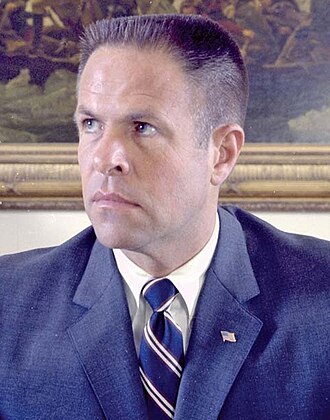
H. R. ("Bob") Haldeman served as President Richard Nixon's White House Chief of Staff from January 1969 until his resignation in April 1973. Acting as Nixon's primary gatekeeper and closest aide, Haldeman was a central figure during the White House taping period and is featured prominently in hundreds of recorded conversations. His tenure ended abruptly when he was forced to resign due to his deep involvement in the Watergate cover-up, most notably captured directing the obstruction of justice on the infamous "Smoking Gun" tape.
What Haldeman talks about on the tapes
Public relations 579Vietnam War 411Political strategy 286Foreign Policy 234Presidential scheduling 209Economic policy 202Henry Kissinger 195Congressional relations 176Press relations 161Watergate 159White House operations 151White House administration 145
Conversations (2,364)
— Page 5 of 24President Nixon and H.R. Haldeman discuss an internal crisis at the FBI triggered by Director J. Edgar Hoover’s decision to transfer assistant director Chick Brennan for allegedly violating orders regarding the Daniel Ellsberg investigation. Haldeman warns that the move threatens to spark mass resignations among FBI leadership, prompting a debate over the balance between institutional discipline and effective management. The participants also briefly coordinate the President's upcoming schedule, including meetings with John Ehrlichman, Peter Peterson, and a group of YMCA Youth Governors.
President Nixon, H.R. Haldeman, and Peter G. Peterson met to discuss personnel appointments, including the potential recruitment of Marty Anderson, and strategic roles within the administration. The conversation focused on the internal structure of the White House, the need for a stronger, politically-minded economic team to support the administration, and the President's vision for long-term economic planning. Nixon explicitly requested that Peterson coordinate closely with John Connally and emphasized a long-term approach to economic policy over short-term political headlines.
President Nixon and H. R. Haldeman met to review a broad range of political, administrative, and scheduling matters, including the selection of a 1972 Republican National Convention site and potential outreach strategies involving Billy Graham. The discussion touched upon the management of various personnel appointments, the frustration surrounding unauthorized leaks from agencies like the State Department, and the necessity of maintaining political control over specific projects. Ultimately, the President and Haldeman moved toward a consensus on favoring San Diego for the convention and prioritized maintaining a disciplined, efficient public schedule to avoid being sidelined by unnecessary administrative entanglements.
President Nixon and H. R. Haldeman discuss the damaging impact of administration leaks on public confidence and the necessity for a more decisive, unified executive presence. They assess the reactions of cabinet members, specifically Peter G. Peterson, to the President's recent directives regarding discipline and interdepartmental policy. Haldeman is tasked with briefing the White House staff to reinforce these expectations and ensure a stronger, more confident public posture for the administration.
President Nixon, Charles Colson, and H.R. Haldeman discuss the administration’s strategy for countering political opposition regarding the Pentagon Papers and the Mansfield resolution. They prioritize the aggressive prosecution of Daniel Ellsberg to deter further leaks and discredit anti-war activists, referencing intelligence from Jay Lovestone regarding Ellsberg’s alleged ties to subversive groups. Additionally, the participants express satisfaction with recent favorable newspaper coverage and the positive outcome of a House vote on Southeast Asia policy despite pressure from lobbying groups.
President Nixon and H.R. Haldeman discussed a wide range of administrative and political concerns, focusing heavily on strategies for addressing the leaking of the Pentagon Papers and tightening government security classification systems. The President emphasized his desire to drastically reduce the number of individuals with top-secret clearances and instructed staff to implement a more restrictive, "Presidential" level of classification. Additionally, they reviewed the President's upcoming schedule, including trips and public appearances, and deliberated on personnel matters such as the appointment of an NLRB counsel and potential roles for Marty Anderson.
H. R. Haldeman instructs the White House operator to connect him with Clark MacGregor. This brief interaction serves as an administrative bridge to facilitate direct communication between the Chief of Staff and the Director of the Office of Congressional Relations. No substantive policy discussions occur, as the call is purely logistical in nature.
H. R. Haldeman and Clark MacGregor coordinate on pressing legislative and personnel matters, specifically regarding the ongoing congressional conference committee and the status of the Mansfield amendment. The conversation focuses primarily on the potential appointment of Peter G. Nash as National Labor Relations Board (NLRB) counsel following concerns raised by an unidentified source. MacGregor reports that there is no known opposition to Nash on the Hill and agrees to investigate the matter further before providing a final update to the President.
H. R. Haldeman instructs a White House operator to place a telephone call to Frederic V. Malek. This brief exchange serves as an administrative coordination step to facilitate direct communication between Haldeman and Malek. No substantive policy discussions or decisions occur during this connectivity request.
H. R. Haldeman and Frederic V. Malek discuss the potential appointment of Peter G. Nash as counsel for the National Labor Relations Board. Malek reports that while Nash may not receive the same enthusiastic reception as Richard T. Burress, he is expected to secure confirmation without significant opposition from labor or business interests. Based on positive internal reviews from James D. Hodgson, Lawrence H. Silberman, and Maurice H. Stans, the pair concludes that the appointment remains viable.
President Nixon, John Mitchell, and H.R. Haldeman discuss the ongoing legal strategy regarding the Pentagon Papers case, specifically expressing concern over the Supreme Court's unexpected request for data on U.S. war casualties since World War II. Mitchell confirms that legal action against Daniel Ellsberg will proceed regardless of the Court's pending ruling to prevent future unauthorized leaks. Nixon emphasizes the necessity of framing the prosecution to avoid creating a martyr and to ensure government employees are deterred from similar disclosures.
President Nixon met with H.R. Haldeman, Henry Kissinger, and Representative F. Edward Hébert to discuss legislative strategy, public relations, and foreign affairs. The primary focus was navigating a Congressional resolution on the Vietnam War, with Nixon instructing Hébert to resist firm withdrawal deadlines while attempting to tie any potential concessions to a ceasefire and prisoner exchange. Additionally, the participants reviewed press leaks involving the Supreme Court, planned the President’s upcoming July 3rd appearance, and coordinated a personal response to the tragic deaths of three Soviet cosmonauts.
President Nixon met with H.R. Haldeman and Alexander Butterfield to discuss speechwriting strategy, emphasizing a "tough" message against permissiveness regarding crime and drugs. He later consulted with Paul McCracken, who offered his resignation as head of the Council of Economic Advisors to return to teaching. The President requested that McCracken delay his departure to avoid the appearance of economic failure and urged his staff to pursue more aggressive research and development initiatives to stimulate the economy.
President Nixon and H.R. Haldeman met to discuss the need for more effective, slogan-driven messaging in administration speeches to better counter political opponents and articulate key accomplishments. Nixon expressed frustration with his current speechwriters, critiquing their work as overly literate and lacking the “gut-level” impact required to connect with the public on issues like law enforcement and the economy. The President also authorized the recruitment of a new staff member to assist with stenography and speech dictation to increase his personal responsiveness, while emphasizing the necessity of a more combative, partisan approach to public relations.
President Nixon met with his senior advisors, including H.R. Haldeman, Henry Kissinger, John Mitchell, and Melvin Laird, to determine the administration's strategy following the Supreme Court's ruling allowing the publication of the Pentagon Papers. The President rejected the idea of broad declassification as a response to the court defeat, fearing it would appear like an admission that the government's classification system was worthless. Instead, he decided to maintain a hard line on the prosecution of Daniel Ellsberg, pursue investigations into potential leaks and conspiracies within the government, and direct his staff to target the Brookings Institution to recover classified materials.
President Nixon and H.R. Haldeman discuss the administration’s aggressive strategy regarding the release of the Pentagon Papers and the subsequent national security implications. Nixon explicitly directs Haldeman to adopt a 'hard line' approach, rejecting concerns over press freedom and potential political backlash in favor of framing the situation as a critical security issue. Furthermore, the two coordinate efforts to investigate Daniel Ellsberg and potential institutional espionage, with Nixon tasking his staff—specifically John Dean and Tom Charles Huston—with executing a tough, decisive response.
President Nixon and H.R. Haldeman discuss positive economic indicators, specifically a significant drop in the unemployment rate and recent upward activity in the stock market. Nixon expresses a desire to downplay media reaction to the employment figures, while they analyze the technical factors behind the market shift, attributing it to end-of-quarter mutual fund adjustments. The conversation concludes with a brief, dismissive reference to Henry Kissinger’s moral perspective regarding ongoing administration challenges.
President Nixon met with H.R. Haldeman, Alexander Haig, and Henry Kissinger to strategize against the ongoing unauthorized leaking of classified government documents, specifically focusing on the Pentagon Papers and the role of Rand Corporation analyst Daniel Ellsberg. Expressing deep frustration with administration personnel like Charles Cooke, whom he suspected of compromising national security by sharing cables with Ellsberg, Nixon demanded a tougher, more aggressive approach to identifying and punishing leakers. The President directed his staff to implement a strict, "gloves off" policy toward the press while orchestrating a campaign to use leaked information to discredit his political opponents and shift public focus away from Vietnam.
President Nixon met with his senior aides, including H. R. Haldeman, Charles Colson, and John Ehrlichman, to discuss the political management of the Pentagon Papers case and the administration's public response. Nixon emphasized the need for a dedicated White House coordinator to spearhead an aggressive, clandestine effort to expose leaks and political adversaries, drawing on strategies he used during the Hiss case. The President directed staff to avoid appearing defensive while simultaneously undermining the credibility of the press and the political establishment, focusing on the potential for irreparable damage to national security.
President Nixon, H.R. Haldeman, and Alexander Butterfield met to discuss personnel and strategic planning for a new administration project focused on the systematic declassification of historical national security documents. The participants reviewed potential candidates to lead this effort, emphasizing the need for an individual with an aggressive, "bear-cat" personality capable of navigating institutional resistance from the CIA, Department of State, and Joint Chiefs of Staff. Additionally, the President and Haldeman briefly touched upon economic indicators, specifically unemployment targets, and expressed frustration regarding Arthur Burns's lack of cooperation.
President Nixon and H. R. Haldeman discuss the status of a speech draft originally prepared by William Safire, with Nixon ultimately deciding to rely on a later version for his remarks. The President expresses a preference for a more improvisational speaking style, noting his intention to "wing" parts of the presentation rather than adhering strictly to a prepared script. Additionally, the pair coordinates the President’s schedule, confirming an upcoming meeting with Henry Kissinger.
President Nixon met with Henry Kissinger, H. R. Haldeman, John Ehrlichman, and others to discuss sensitive foreign policy matters, specifically the Vietnam War negotiations and the status of U.S.-China relations. The participants evaluated propaganda efforts regarding the peace process and reviewed internal concerns about potential leaks and the handling of classified materials, including the Daniel Ellsberg case. Additionally, the President provided directives to staff regarding administrative scheduling and his desire to minimize unauthorized communication between the White House and the press.
President Nixon, H. R. Haldeman, and John Ehrlichman coordinate the President's upcoming meeting with a group tasked with reviewing government classification systems. While Nixon expresses reluctance to dedicate significant time to the group due to his focus on critical matters involving Henry Kissinger, he ultimately agrees to a brief, ten-minute meeting. Ehrlichman is instructed to steer the group's agenda toward specific regional interests, such as Korea and Cuba, to maintain administrative control over their output.
President Nixon calls H. R. Haldeman to confirm the conclusion of a meeting Haldeman had been attending. Nixon requests that Haldeman provide an immediate, in-person debriefing at the White House. Haldeman agrees to the request and prepares to depart his office to meet with the President.
President Nixon and H. R. Haldeman briefly conferred regarding political dynamics in Texas and the progress of U.S. troop withdrawals from the Vietnam War. The discussion touched upon the status of specific individuals identified as Johnson and White, with the President seeking a follow-up report on their situations. Nixon also arranged for a briefing with his staff to prepare for an upcoming meeting.
President Nixon and H. R. Haldeman met to coordinate the administration's response to the Pentagon Papers leak and to discuss various domestic and foreign policy matters. They deliberated on whether the President should make a formal public statement, ultimately favoring a strategy of caution, non-interference, and reliance on surrogates to avoid appearing overly invested in the controversy. Additionally, they reviewed poll data indicating rising public approval, discussed the security of sensitive government documents, and finalized plans for a polygraph examination for a staffer involved in leaking classified cables.
President Nixon met with H. R. Haldeman, Charles Colson, and Peter Flanigan to address several pressing administrative and political challenges. Key discussions focused on responding to the Pentagon Papers, including the need for a rigorous conspiracy investigation and managing the fallout from Daniel Ellsberg's actions. The President also evaluated economic messaging regarding unemployment statistics, strategized the management of political funds and polling, and reviewed potential ambassadorial appointments for Japan and other key posts, emphasizing the need for loyal, business-oriented candidates. Finally, the group discussed using antitrust actions as political leverage against broadcasting networks and implementing funding cutbacks for public broadcasting.
President Nixon met with Rose Mary Woods, H. R. Haldeman, and Alexander Butterfield to manage presidential logistics, including scheduling, correspondence, and photography, while discussing high-level foreign policy and security concerns. The participants addressed the handling of autograph and photo requests to improve efficiency, and Nixon expressed frustration over the perceived disloyalty of NSC staff members like William Lake and Morton Halperin. Furthermore, Nixon and Haldeman coordinated strategy regarding Secretary of State William Rogers' potential Mideast diplomatic mission and the ongoing secret negotiations with China, ultimately transitioning into a discussion on the messaging and tone of the President's upcoming July 3rd Bicentennial speech.
President Nixon met with his staff and advisors to coordinate logistical arrangements for his upcoming National Archives speech, focusing on timing, camera blocking, and the inclusion of the national anthem. The group also discussed planning a signing ceremony for the Twenty-sixth Amendment featuring a student group, and reviewed current media strategies regarding unemployment statistics and the ongoing Pentagon Papers controversy. Nixon emphasized maintaining a strong, authoritative public image while managing press narratives and reinforcing government discipline regarding classified information.
President Nixon and First Lady Pat Nixon, with input from H. R. Haldeman, discuss the success of recent White House social events, including a luncheon for Consuelo Juan Velasco and the positive reception of the President's toast. They reflect on the importance of hosting long-serving Congressional members like Representative Thomas G. Abernethy and note the aesthetic appeal of daytime gatherings in the Red Room. The conversation concludes with a discussion regarding the First Lady's potential attendance at a televised event at the National Archives, with the suggestion that Tricia Nixon Cox and Edward Cox join her.
President Nixon and H.R. Haldeman discuss the preparation of a forthcoming speech draft. The brief meeting serves as a prelude to a more extensive session involving John D. Ehrlichman. The primary objective is to align strategy and refine the content for the President’s upcoming public address.
President Nixon met with his senior advisors, John Ehrlichman and H. R. Haldeman, to discuss the ongoing political and legal fallout from the publication of the Pentagon Papers. The conversation focused on managing the administration's response, specifically coordinating congressional investigations into the leak and establishing an internal White House operation to manage security and document declassification. Beyond these legal strategies, the President reviewed administrative priorities including school desegregation funding, labor union relations, and preparations for his upcoming speech at the National Archives.
President Nixon consulted with William E. Timmons to assess the viability of using Representative Richard H. Ichord’s House Internal Security Committee to conduct an investigation into the Pentagon Papers. Nixon envisioned the committee using its investigative powers—including the authority to subpoena individuals like Morton Halperin and Leslie Gelb for questioning—to counter the administration's political opposition. The President instructed Timmons to gauge the interest of Ichord and Minority Leader Gerald Ford in this strategy, suggesting that such a probe would provide political benefits for ambitious committee members.
President Nixon and H. R. Haldeman convened in the Oval Office to coordinate the President's upcoming schedule. The discussion focused on managing the President's availability for requested meetings. No specific substantive policy decisions were reached during this brief administrative exchange.
President Nixon and H.R. Haldeman met to discuss various personnel matters, the President's upcoming National Archives speech, and the ongoing controversy surrounding the Pentagon Papers. During their conversation, Nixon expressed strong bias regarding the loyalty of Jewish employees in the federal bureaucracy and questioned their placement in sensitive roles. The President and Haldeman further analyzed the political risks of the Pentagon Papers case, considering whether to make a public statement or allow the situation to cool, while debating the efficacy of conducting public opinion polling over the holiday weekend.
President Nixon and H. R. Haldeman coordinate the staging and visual presentation of an upcoming public event, specifically focusing on the President’s demeanor during the playing of the national anthem. They determine that the President and others should stand at attention and salute without singing to maintain appropriate decorum. Additionally, Nixon briefly tasks Haldeman with drafting a letter to address a personal administrative matter.
President Nixon and his advisors, including H. R. Haldeman and Alexander Haig, met to refine the President's upcoming speech for the Bicentennial celebrations. They focused on trimming the text to fit a 12-minute delivery, adjusting the tone to emphasize American idealism, and finalizing strategies for the presentation, including the decision to withhold the written text from the press. Additionally, the group discussed potential public relations benefits from the speech, such as the future renaming of Air Force One to the "Spirit of '76."
President Nixon and H. R. Haldeman briefly conferred regarding the editing of a specific document or transcript. They confirmed that a reduction of 105 words had been successfully implemented. This exchange served to finalize the word count adjustment for the material in question.
President Nixon and H.R. Haldeman review the successful certification ceremony for the 26th Amendment, focusing on how the use of young performers helped foster a positive image of the presidency. They pivot to a broader discussion on the Pentagon Papers, with the President directing his staff to secure a private report from J. Edgar Hoover and Melvin Laird regarding the New York Times' involvement. The conversation concludes with a strategic assessment of how to handle foreign policy disclosures, aiming to frame the administration’s secret negotiations as essential peace-making efforts while minimizing the public impact of the leaked documents.
President Nixon and H.R. Haldeman discuss their dissatisfaction with the broadcast networks' coverage of the President’s certification of the 26th Amendment. Nixon expresses frustration that the networks, particularly CBS, ignored the positive nature of the event in favor of negative reporting. To address this, Nixon directs Haldeman to have Charles Colson confront network executives by forcing them to compare their aired reports against the raw footage they filmed to highlight the perceived bias.
President Nixon and H. R. Haldeman discuss the scheduling and potential reliability of upcoming Gallup and Harris presidential approval polls. They analyze the impact of recent political events, noting that the lack of major developments between polling periods should limit significant fluctuations in results. The conversation reflects the administration's strategic focus on monitoring public perception amidst ongoing political scrutiny.
President Nixon and H. R. Haldeman discussed strategies for managing the administration's image, specifically focusing on how to address the Pentagon Papers fallout and upcoming media briefings. They reached a decision to initiate a systematic revocation of security clearances for officials from the previous Kennedy and Johnson administrations to emphasize a commitment to document security. Additionally, Nixon directed Haldeman to have Charles Colson prioritize the aggressive release of information that would implicate previous administrations in the unauthorized handling of sensitive materials.
President Nixon and H. R. Haldeman discuss the scheduling of a follow-up telephone call between the President and Attorney General John Mitchell regarding his upcoming travel plans. The conversation also shifts to an evaluation of recent television news coverage and the administration’s strategy for managing media relations. Nixon directs Haldeman to gather feedback from staff regarding the effectiveness of their outreach and to coordinate future efforts in shaping the network narrative.
President Nixon met with H.R. Haldeman and Alexander Haig to discuss the administration's aggressive response to the Pentagon Papers leaks and the ongoing investigation into alleged leakers and conspirators. The group coordinated efforts to plant friendly personnel in congressional committees to serve as investigative conduits and reviewed progress on polygraph testing and evidence gathering against individuals like Charles Cooke and Daniel Ellsberg. Additionally, the President and Haig discussed foreign policy strategy, specifically addressing the diplomatic maneuvering with the Soviet Union regarding the SALT talks and the administration's cautious, calculated approach toward the upcoming opening with the People's Republic of China.
President Nixon met with John Mitchell, H. R. Haldeman, and John Ehrlichman primarily to discuss the ongoing investigation into the leak of the Pentagon Papers and the prosecution of Daniel Ellsberg. The participants strategized on how to expose the existence of a broader conspiracy, suggesting that the administration should leverage media leaks and congressional committees to sway public opinion. Nixon emphasized the need for strict control over the investigative process, instructing that no final indictments be issued without his direct approval while the team continued to build their case.
President Nixon met with his Cabinet members to discuss the delicate political landscape surrounding the administration's efforts to open communications with the People's Republic of China. The conversation centered on the necessity of maintaining strict discretion to avoid premature public speculation, which could jeopardize sensitive diplomatic negotiations and create political vulnerabilities. Nixon emphasized the importance of a unified front among Cabinet members to manage domestic and international expectations as the policy shift progressed.
President Nixon, H. R. Haldeman, and Alexander P. Butterfield convened in the Oval Office to address administrative details regarding White House interior maintenance. The participants briefly discussed the specific logistical task of refurbishing and reupholstering chairs within the executive office. The discussion concluded with a directive to proceed with the requested furniture maintenance.
President Nixon, H.R. Haldeman, and Henry Kissinger met to discuss the positive domestic media reception of the administration's surprise initiative toward the People’s Republic of China. The participants reviewed the favorable coverage in national magazines, emphasizing the importance of maintaining strict secrecy while framing the initiative as a decisive, presidential-led move. They also addressed political strategy, including managing congressional relations, handling potential polling volatility related to the Vietnam War, and coordinating upcoming briefings for the White House staff.
President Nixon and H. R. Haldeman discussed managing the flow of information regarding the recent China initiative, specifically addressing the need to limit staff briefings to maintain confidentiality and prevent leaks to the press. They also coordinated an upcoming meeting with John B. Connally, who was seeking clarity on his standing within the administration and preparing for congressional testimony. The conversation reflects the President's broader concern about internal discipline and his desire to shift the administration's focus toward domestic policy successes.
President Nixon and H. R. Haldeman met to discuss personnel issues related to Treasury Secretary John B. Connally, specifically regarding staffing disputes and office appointments. They addressed Connally’s frustration over the hiring process for a secretarial position and the perceived interference of Charls E. Walker. The conversation reinforced Haldeman’s role in managing White House personnel matters and ensuring that administration staff remained aligned with the President's objectives.
President Nixon met with H. R. Haldeman, Robert Dole, and William Timmons to coordinate Republican strategy regarding the 1972 National Convention site selection, specifically leaning toward San Diego. The group discussed the political necessity of framing the President’s recent initiative toward the People's Republic of China as a masterstroke of leadership to build momentum for the 1972 election. Furthermore, Nixon directed his staff to organize economic briefings for Republican members of Congress to bolster party morale and counter Democratic attacks concerning the economy and the Vietnam War.
President Nixon and H. R. Haldeman discuss the professional conduct and social habits of a third party, likely a high-ranking official or diplomat, during a recent trip. The conversation focuses on the subject's tendency to inappropriately fraternize with subordinates and service staff, which Nixon contrasts with his own philosophy on maintaining clear boundaries of rank. The participants reflect on how this behavior undermines the formal distance necessary for leadership.
President Nixon and H. R. Haldeman met to discuss various administrative, political, and personnel matters, including the need for standardized internal procedures and the management of staff productivity. The conversation touched upon political challenges, specifically regarding civil rights, public perception, and diplomatic relations with China. They also reviewed specific staffing and testimony issues involving subordinates, emphasizing the importance of timing and strategic presentation in political decision-making.
President Nixon met with H. R. Haldeman to review and coordinate the upcoming daily schedules for both Haldeman and John D. Ehrlichman. The discussion focused on administrative planning and ensuring the alignment of key staff activities. This brief consultation served to finalize the logistical priorities for these senior aides.
President Nixon met with H.R. Haldeman and John Ehrlichman to discuss legislative strategy regarding Congressional appropriations and the distribution of discretionary funds, with a particular focus on prioritizing key states for political advantage. The group also evaluated the shifting foreign policy landscape, specifically addressing the public reaction to the upcoming China summit and the risks posed by potential congressional delegations visiting the PRC. A significant portion of the discussion centered on the political liability of Vice President Spiro Agnew, with the President and his staff contemplating the feasibility and timing of his potential resignation and replacement by John Connally to strengthen the 1972 ticket.
President Nixon and H. R. Haldeman briefly conferred to coordinate an immediate in-person meeting. The President initiated the contact to request that Haldeman join him in his office in the Old Executive Office Building. No further substantive policy matters were discussed during this brief logistical exchange.
President Nixon met with H. R. Haldeman and Henry Kissinger to refine the President's upcoming schedule, focusing on high-profile diplomatic trips, including the pivotal mission to the People's Republic of China, and various domestic events. The participants discussed managing public relations for the China initiative, maintaining communication channels with the Soviet Union, and balancing presidential appearances to maximize political impact. Additionally, they addressed personnel matters, including ambassadorial appointments and strategies for handling congressional relations and party dissenters.
In this meeting, President Nixon and his advisors, including John Connally and George Shultz, strategized on economic messaging and labor relations ahead of the 1972 election. They discussed the political risks of wage and price controls, analyzed the shifting attitudes of the American working class compared to the intellectual elite, and explored ways to appeal directly to the labor rank-and-file. The President emphasized the need to frame his economic and foreign policy initiatives in terms of national strength and job security to consolidate his base against political opponents.
President Nixon initiated a telephone call to Congressman George H. Mahon of Texas with the assistance of the White House operator and H.R. Haldeman. The primary purpose of the brief communication was to establish contact with the Congressman to discuss legislative or political matters. No specific policy details or substantive decisions were recorded in the available transcript excerpt beyond the administrative act of placing the call.
President Nixon, H. R. Haldeman, Charles Colson, and Henry Kissinger met to discuss the domestic and international implications of the administration's new initiative toward the People's Republic of China (PRC). The group evaluated the public’s fascination with the move, comparing its impact to the release of the Pentagon Papers, and strategized on how to leverage the policy to appeal to American youth ahead of the 1972 election. They also addressed political contingencies, including the potential for Vice President Spiro Agnew’s resignation, the political future of John Connally, and ongoing efforts to secure a resolution to the Vietnam War.
President Nixon and H. R. Haldeman discussed political strategies to manage the impact of the Pentagon Papers, aiming to divide the Democratic Party on the Vietnam War issue while bolstering the President's image as a strong, decisive leader. The participants analyzed the positive public reception of the upcoming China initiative, which they planned to use to build momentum for the 1972 campaign. Furthermore, the meeting addressed domestic policy challenges, specifically examining how to navigate public dissatisfaction with court-ordered busing and the difficulties of advancing welfare reform.
President Nixon directs Treasury Secretary John B. Connally to hold a private meeting with Paul McCracken to discuss sensitive international monetary issues and strategies for improving U.S. economic competitiveness. The President emphasizes the need to bypass other staff members, such as Paul Volcker and Arthur Burns, to obtain an objective assessment of potential revaluation options. Connally agrees to consult with McCracken independently and provide a candid evaluation of the explosive proposals.
President Nixon met with H.R. Haldeman and Stephen B. Bull to coordinate his daily schedule, address upcoming diplomatic meetings, and review recent public opinion polling regarding his initiative toward the People's Republic of China. Haldeman briefed the President on requests from William P. Rogers and Henry Kissinger concerning China representation, while also presenting survey data that showed strong public support for the President's diplomatic outreach. The discussion concluded with logistical arrangements for the President's afternoon appointments, including a meeting with the Future Farmers of America.
President Nixon and H. R. Haldeman reviewed current public opinion polling data, specifically focusing on the administration's approval ratings in relation to the developing initiative with the People's Republic of China and the ongoing Vietnam War. They analyzed how these policy moves affected the President's perceived capability compared to prominent political rivals like Edward Kennedy and Edmund Muskie. Additionally, they discussed personnel matters, including the potential reassignment of Robert Finch to a new post or ambassadorship to facilitate administrative changes.
President Nixon met with Secretary of Defense Melvin Laird and National Security Advisor Henry Kissinger to review recent foreign policy developments, specifically Laird's trip to Japan and South Korea. The discussion focused on Japanese defense modernization, the status of U.S. military commitments in Korea, and the implementation of the Nixon Doctrine in light of the administration’s secret initiative to open relations with the People's Republic of China. Additionally, the participants addressed the Vietnam War, including the importance of maintaining robust supplies for South Vietnamese forces, and explored strategies for consolidating political support from moderate figures like Nelson Rockefeller.
President Nixon, H. R. Haldeman, and Henry Kissinger discussed the positive political reception of the recent announcement regarding the opening of relations with the People's Republic of China, emphasizing its favorable impact among the nation's leadership class and broad public support. The group reviewed early poll data that suggested strong approval for the initiative, noting that this shift in sentiment potentially countered negative political fallout from the ongoing Pentagon Papers controversy. Additionally, the President and his staff discussed the potential appointment of David M. Kennedy as Ambassador to Japan and reviewed logistical arrangements for upcoming presidential schedule items.
President Nixon coordinated with H. R. Haldeman to arrange a briefing with Henry Kissinger regarding his upcoming schedule and travel. The discussion served as a logistical preparation for a formal meeting between the President and Kissinger. The primary objective was to ensure the National Security Advisor was available for a direct consultation on pressing foreign policy matters.
President Nixon met with Henry Kissinger and H.R. Haldeman to discuss the domestic political impact of his opening to the People's Republic of China, specifically focusing on leveraging the initiative to bolster his support among youth and conservative factions. The group evaluated personnel moves, including appointing David M. Kennedy as Ambassador to Japan and assigning Robert H. Finch to the Office of Emergency Preparedness. Nixon directed his staff to prioritize an organized outreach effort on college campuses regarding foreign policy and mandated the expedited release of internal poll data to generate momentum and counter potentially unfavorable Gallup polling.
President Nixon and H.R. Haldeman discuss the logistical arrangements for the upcoming presidential trip to the People's Republic of China, specifically focusing on the optics of the delegation. Nixon expresses concern that John D. Ehrlichman should not participate in his capacity as domestic policy advisor, citing potential conflicts and the need to manage public perceptions of the mission. The President ultimately decides to restrict Ehrlichman’s role to ensure he is not perceived as part of the primary diplomatic entourage.
President Nixon met with his economic and national security advisors to address urgent concerns regarding the federal budget, economic growth, and the size of the government. Seeking to shift toward a balanced budget, Nixon directed his team to pursue aggressive spending cuts, including an across-the-board 10% reduction in federal personnel and significant decreases in defense and intelligence agency staffing. He emphasized that these efforts were essential for restoring confidence in the private sector and demanded a strategic overhaul of mission requirements, particularly within the Department of Defense and the CIA, to eliminate waste and redundant programs.
President Nixon and H.R. Haldeman discussed strategies to bolster presidential approval ratings by emphasizing decisive leadership, particularly in the context of the recent China initiative. They also evaluated domestic policy and budget priorities, reaching a consensus on the need to aggressively cut government personnel, independent agencies, and non-essential social programs to address fiscal deficits. Finally, they reviewed personnel changes, including the potential transition of Donald Rumsfeld from a White House role to a position leading the President's re-election campaign.
President Nixon, H.R. Haldeman, and Stephen Bull discuss polling data and political strategy, focusing on public dissatisfaction and the necessity of crafting a compelling, forward-looking administration narrative. Nixon emphasizes that the administration must move beyond the status quo by projecting strength and leadership, specifically citing the upcoming China visit as a means to reassert presidential authority. The group agrees on the need for a more aggressive, unified communication strategy to combat negative media coverage and improve the President's public approval ratings.
President Nixon met with his senior staff and economic advisors to review a comprehensive set of domestic policy issues and political strategies ahead of the 1972 election. The participants analyzed regional economic and unemployment data, explored ways to address high inflation and juvenile delinquency, and developed messaging strategies regarding veterans, environmental concerns, and the role of the "liberal establishment." The President emphasized the need for a focused, repetitive, and regionalized public relations approach to regain public confidence and successfully manage the transition from wartime to a peacetime economy.
President Nixon met with his economic advisors, including John Connally and George Shultz, to evaluate a broad range of tax reform initiatives, including a potential Value Added Tax (VAT), property tax relief, and tax simplification. The discussion focused on finding a "bold" and politically viable strategy to replace or augment the existing tax system while addressing revenue needs and economic stimulation. Nixon expressed significant skepticism toward piecemeal social programs like child care deductions, favoring instead a comprehensive structural shift that could appeal to voters and simplify the tax code.
President Nixon met with H.R. Haldeman, Henry Kissinger, John Ehrlichman, and Alexander Butterfield to coordinate the administration's response to ongoing leaks of classified national security information. The President directed that all staff with access to sensitive documents be subjected to polygraph tests to identify the sources, expressing deep frustration with the Department of State and the Department of Defense. Additionally, the participants reviewed the status of Vietnam peace negotiations and planning for the President's forthcoming diplomatic initiative with the People's Republic of China.
President Nixon met with H.R. Haldeman, John Ehrlichman, and Egil Krogh to discuss strategies for curbing unauthorized leaks of government information and managing economic policy. The President directed that high-level officials and staff with top-secret access undergo polygraph examinations to identify leakers, specifically targeting a suspected individual within the Department of Defense. Additionally, the participants discussed the administration's strained relationship with Federal Reserve Chairman Arthur Burns, ultimately deciding to adopt a 'cool treatment' strategy to pressure him, while also considering efforts to influence the Federal Reserve's composition and independence.
President Nixon and H. R. Haldeman met to coordinate upcoming appointments and resolve personal logistics for Charles G. “Bebe” Rebozo. The discussion included scheduling meetings with John Mitchell and Peter G. Peterson, as well as managing the details of Rebozo's hotel accommodations through discreet channels. The participants also touched upon the Pentagon Papers case and the expected return of Henry Kissinger.
President Nixon met with H.R. Haldeman, Clark MacGregor, and John Ehrlichman to coordinate the administration's legislative strategy, focusing on the draft extension bill, busing, and the People's Republic of China initiative. The participants discussed managing the political fallout from school desegregation and housing issues, as well as the potential impact of Eugene McCarthy's 1972 candidacy on the political left. Additionally, the President and his advisors reviewed economic policy, the handling of government leaks like the Pentagon Papers, and the personal conduct of the President's brother, Donald Nixon.
President Nixon and H.R. Haldeman discussed a wide range of administrative, political, and personnel matters, including the handling of Vice President Spiro Agnew’s return from an African tour and the potential nomination of Robert S. McNamara to the World Bank. The conversation also covered strategic planning for upcoming presidential radio addresses, the management of economic policy advisors like Paul McCracken, and the implementation of tighter control over presidential media coverage, specifically regarding Nixon's planned trip to the Bohemian Grove. Finally, the President directed staff to gather sensitive historical documents from the Kennedy and Johnson administrations, emphasizing the need for organized access to records concerning the Bay of Pigs, the Cuban Missile Crisis, and other Cold War-era crises.
President Nixon and H.R. Haldeman met to coordinate upcoming administrative travel, public relations strategies, and media management for various high-level officials. Key discussions included planning a national speaking tour for John B. Connally, managing the President's low-key appearance at Bohemian Grove to minimize press coverage, and organizing logistical details for youth outreach programs like Boys and Girls Nation. They also addressed administrative matters, such as the handling of official correspondence regarding the People's Republic of China and the distribution of Eisenhower silver dollars.
President Nixon and H.R. Haldeman discussed media management, scheduling, and the political optics surrounding Vice President Spiro Agnew’s recent trip. They focused on refining the President's public image, specifically regarding press access at events and the potential political fallout from his relationship with Agnew. The pair also addressed the President's upcoming schedule, staff appointments for the First Lady, and the development of economic messaging to be managed by the administration’s key fiscal advisors.
President Nixon, H. R. Haldeman, and Henry Kissinger discussed strategies for managing public and congressional expectations regarding the upcoming diplomatic initiative with the People's Republic of China. The conversation centered on neutralizing political opposition, balancing relations with Japan, and ensuring the PRC summit serves as a strategic maneuver against the Soviet Union. Nixon emphasized the necessity of a cold-blooded approach, maintaining that foreign policy successes should be used to strengthen his domestic political position and re-election prospects.
President Nixon, H.R. Haldeman, and Alexander Butterfield met to coordinate administration strategy regarding economic messaging, legislative priorities, and personnel assignments. They discussed the tactical use of senior officials like John Connally and the management of staff roles, including potential diplomatic or special ambassador assignments for Charles Rhyne and others. A significant portion of the discussion focused on managing conservative opposition to the administration's foreign policy initiatives, specifically the opening to China and arms control, with Nixon directing that Henry Kissinger engage with key conservative figures like Ronald Reagan to maintain their support.
President Nixon and H.R. Haldeman briefly discussed political management strategies concerning conservative figures, specifically mentioning J. Daniel Mahoney, William F. Buckley, Jr., and Senator Charles Percy. The President expressed a desire to limit Percy's influence within the organizational structure while advocating for a strategy of leveraging John Mitchell and other loyalists to counterbalance dissenting conservative factions. The discussion concluded with a focus on utilizing executive power to navigate and neutralize potential political opposition.
President Nixon, Vice President Agnew, and Secretary of State Rogers met to debrief on Agnew's recent diplomatic tour of Africa and the Middle East, while also discussing the administration's ongoing initiative to open relations with the People's Republic of China. The participants expressed frustration with press coverage—specifically in Newsweek—regarding the Vice President's trip and the China policy, and they strategized on how to manage the ensuing public and congressional reactions. Additionally, the President and his staff discussed personnel changes, including the potential replacement of Ambassador Joseph Farland in Pakistan, and reviewed the broader geopolitical implications of the unfolding China initiative.
President Nixon and H. R. Haldeman met to discuss various personnel assignments, including potential roles for Robert Finch and Donald Rumsfeld, and to coordinate the President's upcoming schedule, specifically events surrounding the Pro Football Hall of Fame induction. They reviewed the political implications of Arthur Burns's public comments on the economy and discussed managing relations with conservative figures such as William F. Buckley Jr. and J. Daniel Mahoney. The conversation also touched upon intelligence gathering and the administration's strategic handling of various political outreach initiatives.
President Nixon and H.R. Haldeman briefly conferred regarding the removal of John S. Davies from a specific assignment or post. The discussion centered on confirming that Davies had been successfully removed and ensuring that he would not be permitted to carry weapons. This interaction serves as a follow-up to personnel decisions aimed at restricting Davies's official duties and access.
President Nixon and his advisors discussed the scheduling of various domestic and international political meetings, including an upcoming engagement with Ronald Reagan. Much of the conversation focused on managing the public relations challenges surrounding Vice President Spiro Agnew’s recent foreign travel, with the participants expressing frustration over his negative relationship with the press and his preference for recreational activities over substantive engagement. The group also touched upon economic strategy, the upcoming federal budget, and ongoing labor concerns in the steel and shipping industries.
President Nixon, Secretary of State William P. Rogers, and H.R. Haldeman discuss the poor press coverage and negative public perception of Vice President Spiro Agnew’s recent 30-day foreign trip. The participants attribute the backlash to Agnew’s excessive time spent golfing, his refusal to engage with the press or follow scheduling advice, and his lack of substantive appearances. Ultimately, the group expresses frustration that Agnew ignored his staff's guidance and exacerbated his own difficulties, though they agree on the need to boost his morale upon his return.
President Nixon held a series of meetings involving staff and administration officials to coordinate on several pressing domestic and economic policy matters. The participants discussed legislative strategy regarding the Lockheed Corporation, the political risks associated with school busing and desegregation litigation in Texas, and the appointment of William D. Eberle as the new Special Trade Representative. Nixon emphasized a transition toward prioritizing domestic interests in international trade negotiations and sought to align his team on messaging regarding the administration's stance on school integration compliance.
President Nixon met with H.R. Haldeman to finalize logistical arrangements and press strategy for his upcoming trip to Bohemian Grove, emphasizing the importance of ensuring off-the-record coverage and maintaining specific prohibitions on recording his speeches. The pair also extensively discussed personnel and management issues, including the performance and role of Vice President Spiro Agnew, the influence of Murray Chotiner, and the internal dynamics among senior staff members like John Ehrlichman and John Mitchell. Additionally, the President reviewed various upcoming scheduling items, including meetings with political allies, photo sessions, and administrative tasks related to his executive schedule.
President Nixon and H. R. Haldeman discussed logistics and political optics regarding an upcoming trip to the Bohemian Grove. Nixon proposed inviting Attorney General John Mitchell and Treasury Secretary John Connally to accompany them, specifically emphasizing the symbolic importance of Mitchell's attendance at the event. They agreed that while the officials should attend the festivities at the Grove, they would remain there while the President departed.
President Nixon met with H.R. Haldeman and Henry Kissinger to discuss his upcoming schedule, specifically deciding to cancel his planned visit to the Bohemian Grove due to concerns regarding press intrusion and the potential breach of the club's traditional off-the-record atmosphere. The participants also reviewed foreign policy developments, including the China initiative and ongoing Vietnam peace negotiations, while addressing the need to manage conservative discontent within the party. Finally, they evaluated the political implications of recent labor disputes and strategized on the handling of upcoming presidential trips and public relations.
President Nixon and H.R. Haldeman discuss the cancellation of the President's planned visit to Bohemian Grove to avoid unwanted media scrutiny and potential tax implications for the club. They also address a communications breakdown regarding the unauthorized release of a presidential letter to a Soviet cosmonaut’s daughter, which had gained significant media attention. Finally, they touch upon Vice President Spiro Agnew’s scheduling habits and plan a follow-up presidential call to NASA officials following the lunar landing of Apollo XV.
President Nixon and H.R. Haldeman met in the Old Executive Office Building to coordinate the President's upcoming schedule. The discussion focused on logistical planning and the prioritization of forthcoming meetings. No specific policy decisions were finalized, as the dialogue served primarily as an administrative briefing to organize the executive calendar.
President Nixon and H. R. Haldeman met to discuss strategies for addressing negative press coverage regarding Vice President Spiro Agnew and to coordinate a forceful response to unfair media portrayals. The discussion included plans to isolate critical press outlets by cutting off White House cooperation until retractions are issued, specifically targeting Newsweek's inaccurate reporting on the Vice President. Additionally, the President reviewed a speech by Thomas R. Shepard that criticized the 'disaster lobby' and environmental activists, leading Nixon to decide that this narrative should be adopted to reframe public discourse on environmental and consumer issues.
President Nixon and H. R. Haldeman discussed their dissatisfaction with current White House domestic policy messaging, specifically regarding welfare, the environment, and consumer issues. Nixon expressed frustration that domestic speechwriting staff were producing content he felt was too liberal and lacking in ideological conviction. He directed Haldeman to shift toward a more aggressive, sharper rhetorical style to better align the administration's public persona with his personal political positions as the 1972 campaign approached.
President Nixon and H. R. Haldeman met to coordinate the President's upcoming schedule. They focused on evaluating specific meeting requests to manage the executive calendar effectively. This discussion served to prioritize incoming appointments and streamline the administration's daily operations.
President Nixon met with his staff and advisors, including H.R. Haldeman and Henry Kissinger, to discuss political messaging, criticism of the Domestic Council, and strategies for upcoming foreign policy initiatives. Nixon expressed frustration with the liberal bias of the media and the academic community, particularly regarding environmental and social issues, and directed his team to sharpen his administration's messaging. Additionally, the participants discussed the logistics and strategic timing of a potential presidential trip to China, weighing the domestic political implications against international relations.
President Nixon and George Shultz met with John Connally to discuss the resolution of the steel and rail strikes, emphasizing the need for an administration-led push for Congressional action on labor legislation. The participants explored a sweeping economic program that could include an import tax, investment tax credit, federal spending cuts, and a temporary wage-price freeze to combat inflation and balance-of-payments issues. They also coordinated strategy regarding an upcoming Senate vote on the Lockheed loan guarantee bill and discussed public relations for the administration's economic and social initiatives.