Haldeman, H. R. ("Bob")
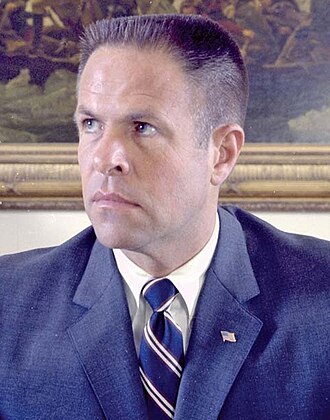
H. R. ("Bob") Haldeman served as President Richard Nixon's White House Chief of Staff from January 1969 until his resignation in April 1973. Acting as Nixon's primary gatekeeper and closest aide, Haldeman was a central figure during the White House taping period and is featured prominently in hundreds of recorded conversations. His tenure ended abruptly when he was forced to resign due to his deep involvement in the Watergate cover-up, most notably captured directing the obstruction of justice on the infamous "Smoking Gun" tape.
What Haldeman talks about on the tapes
Public relations 579Vietnam War 411Political strategy 286Foreign Policy 234Presidential scheduling 209Economic policy 202Henry Kissinger 195Congressional relations 176Press relations 161Watergate 159White House operations 151White House administration 145
Conversations (2,364)
— Page 11 of 24President Nixon met with his senior advisors and staff to finalize the details of his upcoming January 25, 1972, televised address regarding a new Vietnam peace proposal. The discussion focused on coordinating network scheduling, managing media speculation, and refining the tone of the speech to ensure it effectively presented the administration's negotiating efforts. Additionally, the participants reviewed staffing requirements for upcoming presidential trips and strategic political considerations for the 1972 election cycle, including Robert Finch's future political trajectory.
President Nixon met with Robert Finch and H. R. Haldeman to finalize details for his upcoming televised address regarding the administration's Vietnam peace plan. During the discussion, Nixon emphasized the necessity of public disclosure to counter North Vietnamese intransigence and correct misperceptions about U.S. negotiating efforts. Additionally, the President reviewed his broader political strategy for 1972, focusing on his legislative agenda and the need to adopt a more aggressive, combative stance against political opponents, drawing parallels to the campaign tactics of Franklin D. Roosevelt and Harry S. Truman.
President Nixon and H. R. Haldeman discussed the guest list for an upcoming presidential speech on Vietnam, focusing specifically on whether to include key members of the Appropriations Committee. The pair also addressed the health status of Henry Kissinger and coordinated a follow-up regarding a personal matter Kissinger wished to discuss. The conversation concluded with Nixon deciding to personally inquire about Kissinger's concerns.
President Nixon and H. R. Haldeman coordinated the final logistical and presentational preparations for a forthcoming televised address regarding Vietnam. The discussion focused on managing the President's appearance, including makeup and wardrobe choices, while also touching upon the scheduling of meetings with bipartisan congressional leaders. They further deliberated on the management of White House staff and the anticipated press strategy led by communications officials to ensure favorable coverage.
President Nixon and H. R. Haldeman coordinated final preparations for an upcoming nationally televised speech on Vietnam. They confirmed that key political figures and Cabinet members had been briefed to ensure unified support, while also reviewing the strategic tone of the address. The discussion specifically addressed concerns over Henry Kissinger’s original draft, which was deemed too defensive, favoring the President’s preference for a more positive and dramatic presentation of the secret negotiations.
President Nixon, Henry Kissinger, and H.R. Haldeman discuss the overwhelmingly positive initial media and public reception to the President’s recent televised speech regarding Vietnam. Kissinger reports that his pre-speech briefings with major network commentators effectively countered critical perspectives, specifically noting how Marvin Kalb and Eric Sevareid defended the administration's policy against skepticism from Dan Rather. To maintain this momentum, the President instructs Haldeman to have Charles Colson organize a grassroots telegram campaign while Kissinger continues to leverage a potential future interview to keep media coverage favorable.
President Nixon, H.R. Haldeman, and Henry Kissinger discussed the widespread positive domestic reaction to Nixon’s recent televised speech on the Vietnam War. The participants reviewed feedback from a broad range of stakeholders, including members of Congress, labor leaders, business executives, and the academic community, noting that the speech effectively neutralized domestic opposition and placed North Vietnam on the defensive. Encouraged by this strong initial reception, the President and his advisors considered utilizing a telephone poll to further gauge public sentiment while reinforcing the administration's narrative regarding peace negotiations.
President Nixon met with Charles Colson and H.R. Haldeman to discuss the unfavorable media coverage regarding his recent Vietnam peace proposal. Nixon expressed frustration with the press, specifically criticizing newspapers like the New York Times and Washington Post for their negative framing and lack of objective reporting. The President directed his staff to proactively challenge these narratives by mobilizing friendly journalists and political allies to attack the media's divisive tone and emphasize positive public support for the administration's policy.
In this Oval Office meeting, President Nixon, H. R. Haldeman, and Henry Kissinger discussed the political strategy surrounding Nixon’s recent Vietnam peace proposal speech, focusing on managing congressional and media reaction to the offer of unilateral troop withdrawal. The group also coordinated a defense against critics, such as Senator George McGovern, by highlighting evidence of North Vietnamese intransigence. Later, the President met with Dutch Prime Minister Barend W. Biesheuvel to review international relations, the strategic landscape in Asia and Europe, and the geopolitical implications of Nixon's upcoming trips to the People's Republic of China and the Soviet Union.
President Nixon and H.R. Haldeman briefly conferred regarding the President's upcoming schedule at the Executive Office Building. The discussion focused on logistical arrangements for Nixon's movements within the White House complex. No major policy decisions were reached during this short administrative exchange.
President Nixon, H.R. Haldeman, Charles Colson, and other staff members discuss communication strategy following a televised speech, specifically focusing on the favorable public reaction and the need to capitalize on it. They coordinate the dissemination of a Q&A document to help the press and administration officials defend the President's peace plan. Additionally, the group brainstorms a publicity stunt involving a surprise live telephone call from the President to Henry Kissinger during a public dinner to highlight the administration's unity and focus.
H. R. Haldeman and Bryce Harlow discussed their concerns regarding Vice President Spiro Agnew’s tendency to question administration policy during sensitive meetings with Congressional leadership. Both agreed that Agnew's behavior, particularly his questioning of a Vietnam-related speech, appeared unthinking and harmful to the administration's message of unity. Haldeman tasked Harlow with finding a discreet opportunity, potentially during a planned tennis match, to counsel Agnew on how his conduct affects his role and political efficacy.
H. R. Haldeman initiates a request through the White House operator to be connected with William H. Carruthers. The brief administrative exchange serves to facilitate this communication, following a short inquiry regarding Mrs. Haldeman. No substantive policy discussions occur during this operator-assisted connection attempt.
H. R. Haldeman consulted media consultant William H. Carruthers to evaluate the President’s televised address regarding Vietnam. Carruthers praised the President’s relaxed pacing, confident delivery, and physical appearance, attributing the success to a deliberate, unhurried speaking style. The pair concluded that technical presentation was secondary to the President’s performance, though they decided to lower future camera angles to better manage his appearance on screen.
President Nixon met with H.R. Haldeman and Henry Kissinger to discuss the administration’s strategy for managing negative press coverage regarding Vietnam negotiations and the upcoming trip to the People's Republic of China. Nixon emphasized the need to frame his political opponents, particularly Democrats like Edward Kennedy and Clark Clifford, as favoring "surrender" and communism, while rejecting their criticisms of his ceasefire proposals as factually inaccurate. Additionally, Nixon directed staff to exclude The Washington Post from press pool invitations for the China trip and tasked his team with coordinating a more aggressive, unified media counter-attack against Democratic critics.
President Nixon met with H. R. Haldeman and Charles Colson to discuss administration political strategy, specifically focusing on labor relations, social issues like busing, and the President's upcoming campaign schedule. They explored potential outreach to AFL-CIO leader George Meany, debated how to best leverage public sentiment regarding the Vietnam War, and reviewed polling insights from Richard Scammon. The participants also finalized decisions regarding personnel shifts, including the replacement of military aides and the potential appointment of Richard V. Allen to a foreign policy or political advisory role.
President Nixon and H. R. Haldeman met to coordinate administrative scheduling and discuss George P. Shultz’s upcoming testimony. They evaluated the President's recent outreach to AFL-CIO leader George Meany, specifically analyzing Meany’s reaction and the potential for a follow-up meeting with Shultz. The conversation touched upon broader labor relations, including comparisons between labor leaders and business executives, alongside the political implications of recent legislative amendments.
President Nixon and H.R. Haldeman met to coordinate White House public relations strategies, focusing on the announcement of Marina von Neumann Whitman to the Council of Economic Advisers and potential attendance at a sickle cell anemia fundraiser. The discussion pivoted to a broader political strategy involving a 'vicious' counterattack against Vietnam critics, framing them as advocates of surrender and supporters of a communist government. Nixon stressed the importance of aggressive, unified messaging and expressed frustration with Henry Kissinger’s reluctance to utilize staff expertise—specifically that of John Scali—in refining public communication regarding peace initiatives.
President Nixon, John Mitchell, and H.R. Haldeman met to coordinate the transition of the Attorney General’s office, specifically timing Mitchell’s resignation to coincide with the President's upcoming trip to the People's Republic of China. Mitchell advocated for the simultaneous Senate confirmation of Richard Kleindienst as his successor and L. Patrick Gray as Deputy Attorney General, expressing confidence in their approval despite potential political opposition. The participants also discussed administrative matters, including the presentation of the Encyclopedia Judaica to Martha Mitchell and the political outreach efforts involving Max Fisher.
President Nixon and H.R. Haldeman discuss administrative appointments, specifically exploring the potential role of Caspar Weinberger as a successor to George Shultz at the Office of Management and Budget. They also coordinate communication strategies regarding Henry Kissinger’s recent meeting with Soviet Ambassador Anatoliy Dobrynin to ensure Secretary of State William Rogers remains informed without disclosing excessive detail. Finally, the two review recent polling data that shows a slight uptick in the President's approval ratings following his January 25th speech on Vietnam.
President Nixon and H.R. Haldeman reviewed public opinion polling data following the President's recent speech on Vietnam peace negotiations. The discussion focused on the favorable public reception toward the administration's decision to disclose secret negotiations and the President's efforts to reach a settlement. Additionally, the pair briefly touched upon public support for proposed defense spending, property tax reform, and anti-busing legislation, while concluding with a discussion regarding upcoming social events and administrative appointments.
President Nixon and H. R. Haldeman met to discuss the work habits, health, and potential resignation pressures facing Treasury Secretary John B. Connally. The discussion touched upon Connally's social integration in Washington, his staffing challenges, and the increasing media scrutiny surrounding his role in international economic policy. Additionally, the President expressed concerns regarding an impending Supreme Court decision on the death penalty and the potential impact on death row inmates.
President Nixon held a wide-ranging meeting with H.R. Haldeman and several other key staff members to discuss political strategy, personnel matters, and public relations. Key topics included the appointment of Marina von Neumann Whitman to the Council of Economic Advisors, the political fallout and press handling of a protest at a recent White House dinner, and the administration’s strategy regarding potential 1972 Democratic presidential challengers. Additionally, Nixon and his staff reviewed polling data and preparations for his upcoming trip to the People’s Republic of China, emphasizing the positive reception of his recent Vietnam peace proposals.
H. R. Haldeman contacts Nellie Connally on behalf of President Nixon to extend an invitation for John and Nellie Connally to join the President at Camp David for a change of pace. The discussion focuses on checking the recovery status of John Connally's health to determine if he is well enough to travel. Mrs. Connally agrees to consult with her husband and promises a return call to confirm whether they will accept the invitation.
H. R. Haldeman instructs the White House operator to facilitate an incoming telephone call from Idanell “Nellie” Connally. He specifically requests that the operator route the connection directly to his current line once she calls back. This brief exchange serves as a logistical coordination to ensure Haldeman receives the anticipated communication without delay.
Nellie Connally contacted H. R. Haldeman to inform him that her husband, John B. Connally, would remain at home to recover rather than traveling to the White House as the President had offered. Haldeman expressed appreciation for the President's thoughtfulness and emphasized that John Connally’s priority should be resting until he is fully recovered. The two concluded the call with a mutual agreement to keep lines of communication open regarding his health and eventual return to duties.
President Nixon, H. R. Haldeman, and Henry Kissinger met to discuss domestic political strategy and preparations for the President's upcoming trip to the People's Republic of China. Haldeman advised against holding a press conference, warning that the administration would face aggressive questioning on sensitive issues like the budget deficit, Vietnam, and various controversies involving George Romney and Jack Anderson. The group also addressed recent press criticism, specifically discussing Kissinger's interactions with Washington Post publisher Katharine Graham.
President Nixon and H.R. Haldeman discussed the President's upcoming schedule and workload. Nixon expressed a specific desire for a quiet day to manage his agenda. The brief exchange focused primarily on organizing these personal time requirements.
President Nixon and H. R. Haldeman discussed the performance of Secretary of Defense Melvin Laird during his recent appearance on 'Face the Nation.' The President followed up on an earlier conversation with Charles Colson regarding George Shultz's potential involvement in similar media appearances. Haldeman committed to investigating the status of the situation and reporting back to the President.
President Nixon and H. R. Haldeman met to discuss various political and administrative issues, including managing a potential media scandal involving Jack Anderson, coordinating a rest period for John Connally at Camp David, and assessing the 1972 campaign strategy. They addressed the public relations fallout from a recent protest at a Reader's Digest dinner and analyzed demographic shifts in voter support. Additionally, the President and his staff coordinated the messaging for an upcoming North Vietnamese press conference and reviewed the ongoing secret peace negotiations handled by Henry Kissinger.
President Nixon met with H.R. Haldeman and John Ehrlichman to coordinate the administration's stance on welfare reform, including strategies to manage Senator Abraham Ribicoff's involvement. The group discussed managing negative media inquiries regarding F. Donald Nixon, specifically focusing on his ties to the Howard Hughes loan scandal and press relations for the upcoming trip to the People's Republic of China. Additionally, Nixon reviewed his personal financial and property arrangements, including the potential sale of his papers to a foundation, and finalized preparations for gift-giving and press coverage for the China summit.
President Nixon met with H.R. Haldeman and Henry Kissinger to discuss environmental planning, upcoming administrative scheduling, and the strategic management of public perception regarding Vietnam peace negotiations. Kissinger updated the President on recent North Vietnamese diplomatic maneuvers and the administration's efforts to rebut critics in the press, specifically focusing on the "nine-point" peace plan. Nixon directed his staff to maintain pressure on State Department officials to produce policy papers for the upcoming China trip while opting to meet with André Malraux to gain insights into Chinese leadership.
President Nixon met with Rose Mary Woods, H. R. Haldeman, and Alexander Butterfield to manage his schedule and handle administrative tasks, including a document signature request from John Dean. The group discussed preparations for an upcoming prayer breakfast, specifically expressing frustration over the excessive length of speeches and the need for the President to keep his own remarks brief. Additionally, they reviewed presidential gifts, including sculptures of Winston Churchill and John Foster Dulles, and briefly reflected on the deaths of prominent aging statesmen.
President Nixon and H. R. Haldeman coordinate the scheduling of upcoming meetings to accommodate the busy calendars of key visitors. They finalize plans for John B. Connally’s visit, ensuring it aligns with his congressional testimony requirements, and arrange for Billy Graham and the Apollo astronauts to visit the following day. The brief exchange confirms that these adjustments were already underway to ensure maximum convenience for all parties involved.
President Nixon met with Billy Graham and H. R. Haldeman to discuss political strategy, the President's upcoming travel, and media relations heading into the 1972 election year. Graham provided advice on maintaining presidential dignity, focusing on controlled, televised appearances rather than frantic campaigning, and offered to help shore up support in key states like Pennsylvania and Texas. The participants also engaged in a lengthy, conspiratorial discussion regarding perceived media bias, specifically alleging that Jewish journalists and editors exerted undue influence on American cultural and political discourse.
President Nixon and H. R. Haldeman discussed personnel matters, including vacation arrangements for John Connally and the management of White House staff. They evaluated the President's upcoming involvement with the Productivity Commission, weighing the political risks and potential impact of his participation. Additionally, the pair addressed public relations strategies, specifically focusing on the President's frustration with media coverage and the perceived hostility of the press establishment, particularly figures like James Reston and John Gardner.
President Nixon and H. R. Haldeman met to coordinate a strategy for challenging the perceived bias of major television networks, focusing specifically on the distribution and promotion of Edith Efron's book, *How CBS Tried to Kill a Book*. The discussion involved plans to utilize Patrick Buchanan and various conservative organizations to monitor media coverage and distribute Efron’s forthcoming testimony to key influencers. During the meeting, Stephen B. Bull joined to briefly discuss the President's schedule, including a potential appointment related to the Atomic Energy Commission.
President Nixon met with California Governor Ronald Reagan and various administration officials to discuss domestic policy challenges, specifically addressing stalled welfare reform legislation and the ongoing West Coast dock strike. The group explored the economic implications of federal spending and potential strategies to bypass congressional inaction regarding labor disputes, with Reagan sharing his past experience managing strike negotiations. Additionally, the participants discussed the political and ethical complexities surrounding abortion access through Medicaid and the legal status of the unborn.
President Nixon met with H. R. Haldeman and John Connally to strategize on domestic political messaging, potential 1972 election tactics, and managing the economy. The discussion covered the political necessity of targeting Democratic economic messaging regarding the 'rich versus the poor,' and the importance of using Republican surrogates to counter criticisms. Additionally, the President and Connally discussed the potential for organizing private, high-level outreach to congressional members and key staff, while planning for future presidential retreats to facilitate private planning away from media scrutiny.
President Nixon and H. R. Haldeman met to coordinate upcoming administrative events, including a governors' dinner and potential cabinet-level meetings. The discussion focused on managing staff and cabinet morale, planning gifts and logistics for the President's upcoming trip to the People's Republic of China, and evaluating the political landscape regarding Democratic Party candidates. Nixon expressed concerns over staff efficiency and loyalty, emphasizing the need for a cohesive team as he prepared for his re-election campaign.
President Nixon met with H. R. Haldeman, Henry Kissinger, and Ronald Ziegler to manage press relations, personnel issues, and foreign policy strategy. The participants discussed the upcoming China trip, handled internal friction regarding Secretary of State William Rogers’s management style, and addressed potential conflicts between John Connally and David Kennedy over economic policy. Furthermore, they coordinated the administration's position on the India-Pakistan conflict and the sensitive issue of diplomatic recognition for Bangladesh, emphasizing the need for consistency ahead of the President's scheduled travel.
President Nixon and H. R. Haldeman met to coordinate an upcoming meeting with Treasury Secretary John B. Connally. The discussion focused on finalizing the President’s schedule and determining the timing for the session. Additionally, they reviewed potential talking points and suggested remarks to guide the President's interaction with Connally.
President Nixon met with H.R. Haldeman, Ronald Ziegler, and Stephen Bull to coordinate administration responses to current political and national security issues. Key topics included developing a strategic rebuttal to Senator Edmund Muskie’s Vietnam peace plan, managing the fallout from a Justice Department antitrust suit against Associated Milk Producers, Inc., and refining the President’s approach to public appearances and advisory commissions. Nixon emphasized the need for a disciplined, pragmatic messaging strategy ahead of upcoming political challenges and instructed staff on handling these high-pressure administrative concerns.
President Nixon consulted with H. R. Haldeman regarding his upcoming schedule, focusing on balancing trips to Florida and Camp David with preparations for his historic journey to the People's Republic of China. The discussion also addressed public relations strategy, specifically evaluating the necessity of personal appearances at events like the National Prayer Breakfast to maximize political impact. Alexander P. Butterfield joined briefly to receive administrative instructions, while the President ultimately weighed the value of various appearances against the fatigue of his pre-trip workload.
President Nixon directed H. R. Haldeman to coordinate with Patrick Buchanan on a strategy to attack Edmund Muskie’s criticisms of the administration’s Vietnam peace proposal. Nixon sought to deflect political pressure by highlighting Muskie’s past support for Lyndon B. Johnson’s war policies, which he argued led to increased casualties and stagnant negotiations. The President tasked Buchanan with drafting talking points that shift blame for the prolonged conflict onto the Democratic Party’s previous leadership.
President Nixon and H. R. Haldeman discuss political strategy regarding a response to a recent speech by Senator Edmund Muskie. The pair debate whether to ignore the comments or launch a counter-attack to exploit Muskie's vulnerabilities on the Vietnam War. Nixon decides to draft a memorandum for Patrick Buchanan outlining specific talking points, while they consider potential surrogates, such as Hugh Scott or Secretary of State William Rogers, to deliver the rebuttal.
President Nixon and H.R. Haldeman discuss the timing and strategy for responding to a current political or public relations challenge. Nixon insists on a cautious, patient approach, opting to wait for the situation to evolve before taking action. The President ultimately affirms that he has already dictated his chosen course of action and maintains that his plan is sufficient.
President Nixon dictates a memorandum to H. R. Haldeman regarding the administration's political response to Senator Edmund Muskie’s criticisms of the U.S. peace plan for Vietnam. The President argues that Muskie’s opposition to the withdrawal and POW proposals is rooted in partisanship and effectively serves as aid to the enemy by mirroring North Vietnamese rejection of the peace terms. Nixon tasks Haldeman and aide Pat Buchanan with drafting points to highlight the contrast between his negotiation efforts and Muskie’s political opportunism.
President Nixon and H.R. Haldeman met to coordinate the President's upcoming schedule and strategic planning. Their discussion focused on organizing logistics for Nixon’s impending trip to the People's Republic of China, as well as managing his appointments for March and April 1972. The two also reviewed polling materials to assess the political landscape during this critical period.
President Nixon, along with H.R. Haldeman, Ronald Ziegler, and Peter Flanigan, discussed strategies for responding to Senator Muskie's criticisms of the President's Vietnam peace proposal. They debated the best approach for public rebuttal, considering television appearances, press statements, and the potential impact of various responses on public perception and political maneuvering. The conversation also touched upon the upcoming press conference of Secretary Rogers and the President's recent Vietnam speech, including its television ratings and public reaction.
President Nixon met with Henry Kissinger, H. R. Haldeman, William Rogers, and Kenneth Keating to coordinate Administration responses to political challenges, specifically regarding Senator Edmund Muskie’s recent speeches and media criticism. The group discussed strategies to manage the fallout from the President's upcoming trip to China, focusing on framing the diplomatic effort as a necessary opening rather than a final conclusion. Additionally, they addressed the strained relationship between Treasury Secretary John Connally and David Kennedy, and prepared Ambassador Keating for upcoming Senate Foreign Relations Committee testimony regarding U.S. policy toward India, Pakistan, and Bangladesh.
H. R. Haldeman coordinates with the White House operator to facilitate a telephone call from Julie Nixon Eisenhower to President Nixon. This brief exchange serves as an administrative bridge to connect the President with his daughter. No substantive policy matters or official developments are discussed during this logistical interaction.
President Nixon met with H. R. Haldeman and Henry Kissinger to discuss preparations for his upcoming trip to the People's Republic of China, including logistical arrangements and media strategy. The conversation centered on managing the professional friction between Secretary of State William Rogers and Kissinger, with Nixon emphasizing the need for a unified administration front to ensure the success and perception of his China initiative. Additionally, they reviewed domestic issues such as stock market performance, unemployment figures, and the President's upcoming schedule, which included a visit to Florida to provide a quiet environment for policy study.
President Nixon met with H.R. Haldeman, Ronald Ziegler, and Henry Kissinger to strategize the administration's public relations response to Senator Edmund Muskie’s Vietnam speech and to analyze the latest North Vietnamese negotiation proposals. Following these internal policy discussions, the President met with Soviet poet Yevgeny Yevtushenko and interpreter Demitir Zarechnak to discuss U.S.-Soviet cultural relations and the geopolitical significance of Nixon's upcoming diplomatic trips to the People's Republic of China and the USSR. The conversation emphasized the President's goal of leveraging personal diplomacy to improve international stability and establish a framework for long-term peaceful cooperation between world powers.
President Nixon met with various staff members and advisors to manage his schedule and coordinate messaging regarding his upcoming trip to the People's Republic of China. The participants discussed handling press inquiries, the timing of the announcement of the press list, and how to address potential questions about administration policy. Additionally, Nixon held a telephone conversation with Argentine General Alejandro A. Lanusse to discuss bilateral economic cooperation and regional diplomatic relations.
President Nixon directed H. R. Haldeman to instruct speechwriter William Safire to expand a foreign policy document by 250 words to reach a total length of 1,500 words. Nixon expressed a desire to avoid further administrative friction regarding the draft, noting that the length should remain strictly at the 1,500-word limit to align closer to Henry Kissinger’s original submission. The President stipulated that once this adjustment was made, he would finalize the document without further revisions.
President Nixon and H. R. Haldeman met to review briefing materials in preparation for the President's scheduled appearance at the White House Conference on the Industrial World Ahead later that evening. The discussion focused on finalizing the details and logistics for the upcoming presentation. The President tasked Haldeman with confirming specific elements of the material to ensure the address was properly prepared.
President Nixon consulted with speechwriter Raymond Price and H. R. Haldeman regarding revisions to his upcoming address for the White House Conference on the Industrial World Ahead. Nixon instructed Price to reorganize the speech by splicing the existing introductory draft with a set of substantive talking points to create a roughly 2,000-word text. He authorized Price to finalize the draft by cutting and pasting sections, while noting the need to manage potential overlaps regarding the wage and price freeze.
President Nixon met with key advisors and staff, including H. R. Haldeman and Henry Kissinger, to prepare for his upcoming historic trip to the People's Republic of China and discuss the 1972 campaign strategy. The participants reviewed sensitive internal polling data, evaluated the political risks posed by news stories from columnist Jack Anderson involving F. Donald Nixon, and analyzed public reaction to Vietnam policy and recent busing controversies. Additionally, the President provided guidance on managing press relations for the China trip and discussed the importance of maintaining a unified administration stance on foreign and domestic policy matters.
President Nixon, H. R. Haldeman, and various staff members met to discuss administrative scheduling, the quality and strategy of presidential speechwriting, and broader media relations. The conversation focused on the President's upcoming schedule, including interactions with congressional leaders and diplomatic representatives, while expressing significant frustration over the lack of emotional impact in current speech drafts. The participants further analyzed political messaging regarding the Vietnam War, strategizing on how to maintain public support by framing Nixon’s actions as fulfilling his executive responsibilities against political undercutting by critics.
President Nixon and H. R. Haldeman discussed logistics for upcoming travel, including scheduling meetings with John B. Connally and managing various international trip invitations to Japan, Europe, and the USSR. The conversation focused on arranging a meeting with Connally during an upcoming Florida trip and coordinating the President's personal schedule to account for his health and upcoming press engagements. Additionally, they reviewed public relations strategies, specifically regarding the staging of photography for the President's economic and budget messages.
President Nixon and H. R. Haldeman coordinate the scheduling of an upcoming meeting involving Robert McNamara and John Connally. Nixon instructs Haldeman to have Stephen Bull facilitate the guests' visit to his office, specifically noting his desire for McNamara to see the room. Additionally, the President briefly addresses the need to contact Senator Hugh Scott regarding the administration's support from congressional "hawks."
President Nixon and H. R. Haldeman met to discuss political strategy and administrative messaging, specifically regarding Haldeman's recent appearance on the Today show and public reaction to administration stances on Vietnam. The pair reviewed potential inquiries from the press and strategies for responding to critics, while also addressing logistical concerns related to the President's upcoming schedule, including a memorial service for Llewellyn E. Thompson. The conversation concluded with administrative updates involving Rose Mary Woods and the management of office materials.
President Nixon, H. R. Haldeman, and Stephen B. Bull discussed the logistical arrangements for the upcoming memorial service of diplomat Llewellyn E. “Tommy” Thompson, Jr. The participants focused on distinguishing the nature of the event from a traditional funeral and confirmed the specific venue as the Washington National Cathedral. They sought to finalize the timing of the service to ensure proper executive planning.
President Nixon and H.R. Haldeman met to finalize the President's upcoming radio speech concerning his foreign policy report. They discussed the political strategy of criticizing presidential candidates who were undermining Vietnam peace negotiations, framing these candidates as irresponsible for potentially prolonging the war for electoral gain. Additionally, the President reviewed his public relations approach, deciding to minimize direct press interactions to avoid further controversy while emphasizing his role as the sole negotiator for an honorable peace.
President Nixon, H.R. Haldeman, and Ronald Ziegler met to coordinate the administration’s response to media coverage regarding the President's recent foreign policy report and criticism of political opponents like Edmund Muskie and George McGovern. The participants discussed strategies for handling press inquiries, specifically reinforcing the President's stance that he critiques the wisdom, rather than the patriotism, of his critics. They also finalized details for the President’s upcoming Florida trip and the media press list for the upcoming trip to the People’s Republic of China, emphasizing the need for professional, controlled communication.
President Nixon instructed H. R. Haldeman to meet with him at the Executive Office Building shortly before his scheduled departure. This brief interaction served as a logistical coordination to finalize administrative arrangements or consultations before the President moved to his next engagement. No further substantive policy discussions were recorded during this segment.
President Nixon and H. R. Haldeman discussed strategies for managing the press, specifically focusing on the President's upcoming press conferences and his desire to adopt a 'hard-line' approach to counter media hostility. They analyzed political maneuvers regarding rival Edmund Muskie and evaluated public perceptions of the administration's Vietnam policy. Additionally, in separate discussions involving John Ehrlichman, the President strategized on the Bicentennial celebration, instructing staff to coordinate with Philadelphia Mayor Frank Rizzo to ensure the administration dictates the terms and direction of the event.
H. R. Haldeman and Patrick Buchanan review the President’s recent press conference, assessing its effectiveness and impact on public perception. They discuss the substance of Nixon’s delivery, particularly his handling of Vietnam questions and his strong stance on busing. The conversation highlights the administration's strategic timing regarding busing legislation in light of the President’s upcoming trip to the People's Republic of China.
President Nixon and H. R. Haldeman met in the Old Executive Office Building to coordinate the arrival of an unidentified visitor to the President's office. The discussion focused on managing the logistics and security of this individual's entry. No further policy or administrative decisions were documented in this brief procedural exchange.
President Nixon met with Henry Kissinger, H. R. Haldeman, and other staff members to discuss media strategy, public messaging, and foreign policy, specifically regarding Vietnam and China. The participants deliberated on the effectiveness of Nixon's recent public statements, focusing on how to maintain a strong, authoritative image while navigating complex geopolitical tensions. They also addressed the importance of controlling the narrative through concise, impactful communication and the potential political implications of upcoming scheduled appearances and policy announcements.
President Nixon and H.R. Haldeman discussed various administrative priorities, primarily focusing on streamlining ambassadorial appointments and refining the President's upcoming travel schedule. Nixon directed Haldeman to manage appointment recommendations through Peter Flanigan while minimizing Henry Kissinger’s involvement to avoid bureaucratic friction. Additionally, the President decided to curtail the practice of taking cabinet members and other officials on Air Force One to preserve his own energy and set a stricter standard for presidential travel protocols.
President Nixon, H. R. Haldeman, and Henry Kissinger met to discuss strategy for the upcoming trip to the People’s Republic of China, emphasizing the need to manage the press corps' expectations and prepare briefings for First Lady Pat Nixon. The participants also reviewed the sensitive status of Vietnam peace negotiations, noting that recent military actions and the President's diplomatic outreach had pressured Hanoi into requesting a private meeting. Finally, they discussed the upcoming resignation of Attorney General John Mitchell and plans for trade-related announcements regarding Moscow.
President Nixon met with H.R. Haldeman and Ronald Ziegler to coordinate press strategy regarding his upcoming trip to the People's Republic of China, including the production of a promotional film and the logistics of the presidential schedule. The discussion also addressed the administration's stance on school busing, with Nixon expressing a firm opposition to mandatory busing to achieve racial balance while critiquing the positions of political rivals. The participants decided to hold a leadership meeting to announce the China trip and opted to utilize the Cabinet Room for a more dramatic, televised presentation.
President Nixon and H. R. Haldeman met to review recent polling data from George Gallup, comparing it against the Administration’s internal Opinion Research Corporation findings regarding public sentiment on the Vietnam War. They discussed the timing and accuracy of these polls, specifically noting the close alignment in approval numbers. The conversation also touched upon administrative logistics, including a follow-up inquiry regarding a telephone call made between Donald Rumsfeld and Gallup.
President Nixon met with his advisor Henry Kissinger and senior staff members H.R. Haldeman and Stephen Bull to finalize strategy and logistical details for the President's upcoming historic trip to the People's Republic of China. The participants discussed the management of the official communique, the role of translators to ensure accurate records of private meetings, and the President's approach to formal toasts and plenary sessions. Additionally, they reviewed domestic political concerns, including public opinion polls and the potential impact of a North Vietnamese military offensive on the trip's reception.
President Nixon and H.R. Haldeman discuss logistical arrangements for the upcoming trip to the People's Republic of China, emphasizing the need for strict control over media coverage to prevent unauthorized exclusives. They decide against granting early commitments to networks like ABC, opting instead to utilize a White House-contracted film unit to manage output. Additionally, the President deliberates on his post-trip schedule, specifically debating whether to stop in Anchorage to allow for a prime-time arrival in Washington, D.C., and expresses his personal disdain for hosting social dinners as a political outreach tool.
President Nixon, H. R. Haldeman, and various staff members met to finalize the logistics and scheduling for the upcoming presidential trip to the People's Republic of China. The discussion focused on managing the President's daily schedule, including meeting times with Chou En-lai and Mao Tse-tung, while ensuring adequate downtime and physical recovery. Additionally, the participants reviewed domestic political concerns, including public reaction to the President's recent Vietnam peace proposal and potential strategies for handling press coverage and political opponents like Edmund Muskie.
President Nixon, Rose Mary Woods, and H. R. Haldeman met to coordinate final logistics for the President's upcoming diplomatic trip to the People’s Republic of China, including the handling of correspondence from well-wishers and dignitaries like Lyndon B. Johnson. The discussion shifted to domestic management, where the President and Haldeman reviewed staffing adjustments, specifically the movement of personnel to support political operations under John Mitchell and the appointment of a new ambassador to Portugal. They ultimately decided to keep airport farewells low-profile to avoid political friction and prioritized streamlining White House staff responsibilities ahead of the campaign season.
President Nixon and H. R. Haldeman coordinate the delivery of remarks prepared for the President’s upcoming departure to the People’s Republic of China. Haldeman confirms that the documents are ready, and the President requests their immediate delivery for his review. This brief exchange serves to finalize briefing materials essential for the historic diplomatic mission.
President Nixon and H. R. Haldeman debrief the successful conclusion of the President's trip to China, focusing on the positive public reception at Andrews Air Force Base and the favorable stock market performance. The conversation shifts to managing press relations, specifically addressing a critical Washington Post headline regarding Taiwan policy that drew concern from press secretary Ron Ziegler. Despite these media challenges, the participants reaffirm the overall success of the diplomatic mission and discuss the ongoing efforts of Henry Kissinger to brief domestic political leaders.
President Nixon and Henry Kissinger met to discuss the media strategy and public reception surrounding Nixon’s recent trip to the People’s Republic of China. The conversation focused on managing journalistic access and potential news coverage, including specific deliberations over which reporters and networks to include in upcoming briefings. Nixon and Kissinger also evaluated the success of the President's recent televised speech and its positive impact on the American public's perception of his foreign policy efforts.
President Nixon met with his Cabinet and senior staff to debrief them on the results and implications of his recent diplomatic trip to the People's Republic of China. The President emphasized that the primary success of the visit was the establishment of a new communication channel between the two nations, which he argued was essential for managing long-term stability and reducing the potential for future conflict. Nixon shared his impressions of Chinese leadership, particularly his discussions with Chou En-lai, noting the stark ideological differences while highlighting common strategic interests, such as peace in the Pacific and balancing influence against the Soviet Union. The discussion concluded with a focus on how this opening could be leveraged to reshape international relations and manage regional tensions across Asia.
President Nixon held an Oval Office meeting with Peter G. Peterson, his family, and members of the Cabinet to commemorate Peterson's recent Senate confirmation. The event served primarily as a formal ceremony for the administration of the oath of office and a subsequent photograph session with White House photographer Ollie Atkins. The interaction concluded with informal social conversation regarding Camp David and scheduling logistics.
President Nixon, Henry Kissinger, and H.R. Haldeman meet to discuss the fallout from the President’s recent trip to the People's Republic of China, expressing significant frustration with Secretary of State William P. Rogers. The President and Kissinger characterize Rogers's performance at recent Cabinet and Congressional briefings as self-serving, petty, and damaging to the administration’s foreign policy objectives. They decide that Rogers must be prevented from further undermining the trip’s significance, particularly regarding his negative depictions of the Chinese government, and discuss plans to marginalize his influence in future briefings and communications.
President Nixon held a brief telephone conversation with H. R. Haldeman to coordinate the timing and logistics of an upcoming meeting. The discussion focused on facilitating a subsequent session between the President, Haldeman, and Press Secretary Ronald L. Ziegler. The call served primarily as an administrative bridge to assemble key staff for immediate policy or press deliberations.
President Nixon and H. R. Haldeman held a brief, informal meeting in the Old Executive Office Building to coordinate administrative matters. During the exchange, Nixon requested that Haldeman contact Ron Ziegler. The brief duration suggests this was a routine follow-up or scheduling instruction rather than a substantive policy discussion.
President Nixon and his advisors met to address the fallout from Secretary of State William P. Rogers's behavior and public statements during the recent presidential trip to the People's Republic of China. The participants expressed frustration with Rogers's perceived hostility toward their Chinese hosts, which they believed undermined delicate diplomatic progress and threatened to damage U.S. foreign policy interests. Consequently, the President instructed H. R. Haldeman and Alexander Haig to convey to Rogers that he must cease making independent remarks on Taiwan and adhere strictly to the established administration position to avoid further diplomatic friction.
President Nixon and H. R. Haldeman coordinate logistical arrangements for an upcoming trip to Florida, specifically discussing the scheduling and passenger manifests for the presidential and staff aircraft. The conversation also addresses media coverage regarding the President's recent visit to the People’s Republic of China, including reactions from political leaders and editorial columnists. Additionally, they touch upon the President's immediate schedule, which includes planned bill signings and meetings with various administration officials.
President Nixon and H.R. Haldeman discussed logistics for an upcoming staff trip to Florida, including potential visits to Disney World and the management of staff accommodations. They reviewed political strategy regarding the 1972 campaign, specifically polling data against Republican challengers Paul McCloskey and John Ashbrook, and evaluated the impact of the President's recent trip to the People's Republic of China. The conversation also touched on the administration's stance on Taiwan, the President's upcoming travel to the Soviet Union, and arrangements for sending gifts to family and staff members following the China visit.
President Nixon met with H.R. Haldeman, John Ehrlichman, and other staff members to discuss political strategy, staffing concerns, and crisis management related to the ITT anti-trust controversy. The group focused on controlling the public relations fallout from the ITT affair, determining the President's upcoming travel and meeting schedule, and assessing the political impact of the China trip and current primary elections. Nixon expressed a desire to distance the White House from the ITT scandal, emphasizing that any necessary clarifications should come from the Justice Department rather than the President or his staff.
President Nixon met with H.R. Haldeman and John Ehrlichman to discuss political strategy, including his administration's position on a busing moratorium and the status of his forthcoming meeting with the Cabinet Committee on Education. The group addressed internal staff tensions, specifically regarding Pat Buchanan's potential resignation over disagreements with the Shanghai Communiqué and his frustration with the administration's perceived failure to satisfy conservative interests. Additionally, the President and his advisors reviewed the escalating ITT antitrust controversy, evaluating the political risks associated with the Justice Department's settlement and allegations involving Dita Beard and Jack Anderson.
President Nixon and H. R. Haldeman met to coordinate the logistics and strategic approach for an upcoming meeting with Taiwanese Ambassador James C.H. Shen. The discussion focused on the urgency of the Ambassador's concerns regarding the Republic of China and the President's desire to gain a nuanced assessment of the diplomat's temperament. They also reviewed Henry Kissinger's role in the broader context of these diplomatic engagements.
President Nixon and H.R. Haldeman met to discuss ongoing administrative work and the management of recent polling data. The brief consultation focused on strategic adjustments to how incoming poll results should be utilized or refined. No definitive policy shifts were recorded, but the exchange centered on the tactical handling of political information.
President Nixon and H. R. Haldeman met to review recent polling data assessing the public impact of the President’s historic trip to China. They analyzed approval ratings compared to Gallup and Harris polls, noting a solid, consistent level of support and a decline in disapproval. The discussion also covered voter sentiment on foreign policy issues and the perceived political efficacy of the summit, with the participants concluding that the trip provided a favorable benchmark despite some lingering skepticism regarding secret agreements.
President Nixon met with his staff to manage the growing political fallout from the ITT antitrust case, specifically focusing on coordinating a formal statement for John N. Mitchell and managing the public narrative surrounding Dita Beard. Following these internal deliberations, the President met with James C. H. Shen, the Republic of China's ambassador, to address concerns regarding the administration's recent diplomatic outreach to the People's Republic of China. Nixon sought to reassure the Taiwanese government of the U.S. commitment to their security while emphasizing the need for patience and peaceful resolution in the region.
President Nixon met with his senior advisors and Henry Kissinger to navigate several political and diplomatic challenges, including the ongoing ITT controversy, the management of the 1972 presidential campaign, and the implications of his recent trip to the People's Republic of China. The group discussed strategies to handle public and congressional inquiries regarding potential conflicts of interest, with Nixon emphasizing a policy of non-comment on political issues. Additionally, Kissinger briefed the President on North Vietnamese stalling tactics in peace negotiations, which were potentially influenced by Chinese pressure, and reviewed the administration's delicate balancing act regarding Taiwan and Vietnam in foreign policy communications.
President Nixon, Henry Kissinger, and H.R. Haldeman met to discuss the administration's strategic handling of the People's Republic of China, upcoming foreign policy challenges, and media narratives surrounding Secretary of State William Rogers. A significant portion of the conversation focused on the President’s frustration with negative press regarding the recent China trip and perceptions of the State Department’s morale and loyalty. The participants addressed the need to manage internal bureaucratic friction while maintaining a strong, unified image for upcoming international negotiations and domestic political stability.
President Nixon met with H. R. Haldeman, John Ehrlichman, Henry Kissinger, and others to manage the fallout and public relations surrounding the recent trip to the People's Republic of China, specifically addressing Secretary of State William P. Rogers' perceived alienation from the process. The participants discussed strategies to neutralize negative press coverage and mitigate perceived leaks from the State Department, while also deliberating on the upcoming US-Soviet summit. Additionally, the conversation touched on various domestic political matters, including the ITT case, busing policy, 1972 campaign financing, and the political maneuvers of Democratic candidates.
President Nixon and H. R. Haldeman discussed logistics for upcoming campaign appearances, specifically focusing on the New Hampshire primary and a Veterans of Foreign Wars Congressional Award Dinner. Nixon expressed a desire to avoid being interrupted by election result updates during his travel and scheduled events. Haldeman coordinated the President's departure plans and outlined the press briefing strategy for responding to the primary outcomes through Ronald Ziegler and Gerald Warren.