Haldeman, H. R. ("Bob")
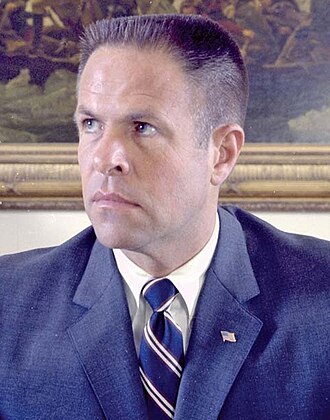
H. R. ("Bob") Haldeman served as President Richard Nixon's White House Chief of Staff from January 1969 until his resignation in April 1973. Acting as Nixon's primary gatekeeper and closest aide, Haldeman was a central figure during the White House taping period and is featured prominently in hundreds of recorded conversations. His tenure ended abruptly when he was forced to resign due to his deep involvement in the Watergate cover-up, most notably captured directing the obstruction of justice on the infamous "Smoking Gun" tape.
What Haldeman talks about on the tapes
Public relations 579Vietnam War 411Political strategy 286Foreign Policy 234Presidential scheduling 209Economic policy 202Henry Kissinger 195Congressional relations 176Press relations 161Watergate 159White House operations 151White House administration 145
Conversations (2,364)
— Page 10 of 24President Nixon and H. R. Haldeman briefly conferred regarding the review process for a draft of an upcoming speech. The conversation specifically addressed John D. Ehrlichman's role in the drafting process and established that the President would conduct his own final review of the document the following day. This exchange served to coordinate administrative oversight of the speechwriting schedule.
President Nixon met with H. R. Haldeman and Alexander Butterfield to coordinate his upcoming schedule, specifically balancing personal travel to Florida and California with critical diplomatic and legislative demands. The discussion focused on managing the State of the Union timing in the face of potential Congressional conflicts and strictly curtailing foreign visitor meetings to prioritize administrative focus. Nixon also outlined a long-term strategic timeline for 1972, emphasizing the necessity of clearing his calendar for major diplomatic initiatives, including his upcoming trips to the People's Republic of China and the USSR.
President Nixon met with H.R. Haldeman, Henry Kissinger, and other staff to coordinate his upcoming trip to Chicago, address legislative priorities, and discuss sensitive foreign policy matters. The group strategized on managing tax bill negotiations with Wilbur Mills, navigating the political implications of campaign finance legislation, and handling diplomatic tensions regarding the European Security Conference and an upcoming meeting with Golda Meir. Additionally, they reviewed personnel changes involving Arthur Fletcher and confirmed the cancellation of Billy Graham's planned trip to Taiwan.
President Nixon met with H. R. Haldeman and John Ehrlichman to discuss strategy for the upcoming White House Conference on Aging, emphasizing the administration's stance on fiscal responsibility and the benefits of H.R. 1 for older citizens. The participants evaluated speech drafts, reviewed potential political opposition from figures like Edmund Muskie regarding property taxes, and planned the President’s upcoming media appearances, including a television special. Additionally, they coordinated the President's interactions with Congressional leadership, ultimately deciding to prioritize smaller, more productive meetings with House leaders over broader, less effective sessions with Senate counterparts.
President Nixon and H. R. Haldeman coordinated the President's upcoming travel schedule, specifically weighing potential trips to Florida and Camp David while considering press logistics and weather reports from Charles "Bebe" Rebozo. The conversation also addressed the status of a speech on economic policy and Phase II wage-price controls, including the involvement of John D. Ehrlichman in drafting. Furthermore, the two discussed legislative coordination with Clark MacGregor regarding the status of pending tax legislation.
President Nixon consulted with H. R. Haldeman regarding the status of pending tax legislation and its impact on his scheduled trip to Florida. The discussion focused on complex congressional negotiations, specifically the campaign check-off provision and the potential for the tax bill to face defeat in the House of Representatives. Haldeman provided updates on legislative progress involving figures such as Wilbur D. Mills and Clark MacGregor, while also addressing broader concerns regarding the India-Pakistan conflict and other active congressional conferences.
President Nixon and H. R. Haldeman discuss administrative updates regarding upcoming budget meetings and travel to Florida, as well as the status of tax legislation and campaign reform. A significant portion of the conversation is dedicated to Nixon’s dissatisfaction with the performance of his speechwriting staff, specifically Raymond Price and others. The President expresses a desire to refine his communication style and directs Haldeman to restructure staff responsibilities to ensure that speech drafts better capture his personal voice rather than the generic, bureaucratic style he associates with the Eisenhower era.
President Nixon met with Henry Kissinger and H. R. Haldeman to coordinate foreign and domestic policy priorities. Key discussions included managing Middle East negotiations ahead of the upcoming U.S.-USSR summit, finalizing the appointment of David M. Kennedy as Ambassador to NATO, and addressing administrative failures regarding trade licenses for India. Nixon also emphasized his desire to bypass the establishment in his diplomatic efforts, specifically regarding the opening of relations with the People's Republic of China, while coordinating appearances to maintain support for his economic policies.
President Nixon met with H.R. Haldeman, Clark MacGregor, and others to discuss key administrative and political matters, including the successful confirmation of Earl Butz as Secretary of Agriculture despite opposition, and the management of legislative issues such as the tax bill. The group also coordinated the President’s upcoming diplomatic schedule, the logistical handling of his planned trip to the People's Republic of China, and strategies for improving the quality and impact of presidential speeches. Finally, Rose Mary Woods joined the President to review his personal schedule, correspondence, and various staffing concerns.
President Nixon hosted a large gathering in the Oval Office, including Secretary of Agriculture Earl Butz, several members of Congress, and various agricultural officials, to discuss the state of the American agricultural sector. The President highlighted the efficiency of American farmers and the affordability of food for domestic consumers as a significant national achievement. The meeting served as a public relations event to underscore the importance of agriculture to the nation's overall well-being and to reinforce support for administration policies.
President Nixon, Henry Kissinger, and various senior advisors met to discuss the escalating India-Pakistan conflict, focusing on the potential for a U.N. ceasefire, the status of American civilians, and the management of regional military actions. Concurrently, the President consulted with George H.W. Bush regarding U.N. strategy and coordinated with John Ehrlichman and Vice President Agnew on domestic legislative priorities, specifically tax bills and revenue sharing. The President also spoke with Wilbur Mills to foster a spirit of cooperation between the Administration and Congress regarding economic and tax legislation, emphasizing the need for a unified approach to ensure key bills advance.
President Nixon met with H. R. Haldeman and briefly spoke with Rose Mary Woods to coordinate scheduling and administrative details regarding upcoming diplomatic and social events. The discussion covered logistics for an upcoming Bermuda trip, a photo opportunity with Senator Strom Thurmond, and the reporting process for Maurice Stans following his visit to the USSR. Additionally, they addressed seating and invitation issues for a White House dinner involving George Shultz and the Brazilian delegation, emphasizing the need to manage professional optics and avoid unnecessary attendance at specific diplomatic meetings.
President Nixon and H.R. Haldeman discussed internal administrative friction, specifically the professional rivalry between Secretary of State William Rogers and National Security Advisor Henry Kissinger. They analyzed the impact of recent negative press coverage regarding the India-Pakistan war and the management of foreign policy, with Nixon expressing frustration over Rogers' perceived lack of vigor in confrontational matters. Ultimately, the two decided to refrain from immediate intervention in the Rogers-Kissinger conflict, opting to let the situation rest while monitoring the fallout from ongoing media narratives.
President Nixon and H.R. Haldeman discussed the escalating tensions regarding the India-Pakistan conflict and Henry Kissinger's frustration with the State Department's perceived obstructionism. Kissinger specifically cited Secretary of State William P. Rogers's recent speech as a "disastrous" act that undermined ongoing diplomatic efforts and threatened his broader negotiation strategy regarding the Middle East and the Soviet Union. The participants evaluated the necessity of a Kissinger-led media backgrounder to clarify the administration's position, while also briefly coordinating the President's upcoming schedule with Maurice Stans.
Maurice Stans briefed President Nixon and Henry Kissinger on his recent 17-day trade exploration mission to the Soviet Union, Poland, and Sweden. Stans detailed positive, high-level discussions with Soviet Premier Alexei Kosygin regarding potential economic cooperation, including grain sales, industrial equipment credit, and the establishment of joint fact-finding groups. President Nixon directed Stans to maintain a low profile with the press to avoid prematurely committing to specific trade concessions while the administration maneuvers through ongoing geopolitical tensions in South Asia.
President Nixon and H. R. Haldeman discuss a range of strategic concerns, focusing heavily on National Security Advisor Henry Kissinger’s volatile state of mind and his frustration regarding U.S. policy toward India, Pakistan, and the Soviet Union. The conversation explores Kissinger's suggestions of resigning and his desire to have taken a tougher stance on the Soviets weeks earlier, which Nixon and Haldeman analyze as a byproduct of personal disillusionment. Additionally, they review current polling data, the health of labor leader George Meany, and the scheduling of meetings with John Connally to address administrative and political strategy.
President Nixon met with H. R. Haldeman to coordinate the administration's response to the ongoing India-Pakistan conflict and review the performance of his cabinet, particularly Secretary of State William P. Rogers. They discussed managing congressional and media reactions to the war, specifically highlighting the favorable perspectives of some senators versus the criticism from others like Edward Kennedy. Additionally, the President and Haldeman reviewed upcoming polling strategies for the 1972 election and addressed concerns regarding the composition of entertainers invited to White House social events.
President Nixon and H.R. Haldeman met to discuss urgent legislative and foreign policy matters, including the ongoing India-Pakistan crisis and a pending continuing resolution for foreign aid. The President expressed frustration with the bureaucracy and Henry Kissinger's emotional state, while evaluating the political risks of US involvement in South Asia and the potential fallout from public and congressional opposition. They also reviewed internal administrative appointments and economic strategies, ultimately coordinating a schedule for further consultations with Kissinger and economic advisors.
President Nixon met with Rose Mary Woods and later H. R. Haldeman to coordinate various administrative tasks, scheduling matters, and public relations efforts. Discussions included the career status of labor mediator J. Curtis Counts, the logistics for upcoming presidential holiday appearances, and the scheduling of a meeting between John B. Connally and the President regarding the Cost of Living Council. Additionally, the participants reviewed personal correspondence and debated the nature of the modern presidency compared to previous administrations.
President Nixon met with H. R. Haldeman, Ronald Ziegler, and Alexander Butterfield to discuss a wide range of administrative, political, and public relations matters. The conversation covered the administration's messaging on the India-Pakistan conflict and the UN vote, strategies for upcoming presidential media appearances, and logistical planning for international travel to the Azores and Bermuda. Additionally, they reviewed scheduling for the holiday season, including plans for White House social events, press interactions, and potential staff restructuring.
President Nixon and H. R. Haldeman convened in the Old Executive Office Building to discuss internal White House matters. Due to the unintelligible nature of the audio recording, no specific policy decisions or substantive topics could be identified from the transcript. The brief interaction concluded with Haldeman departing before 2:15 pm.
President Nixon and H.R. Haldeman discuss administrative scheduling and coordination regarding key staff members and political figures, including John Ehrlichman, George Shultz, and Charles Colson. The discussion focuses on managing upcoming meetings and addressing recent developments concerning United Nations activities involving George H.W. Bush. Additionally, the President reviews logistical matters, including a potential conversation with John W. McCormack, to streamline executive operations.
President Nixon met with H.R. Haldeman, Ronald Ziegler, and Henry Kissinger to address administrative personnel matters, media relations, and pressing foreign policy crises. Ziegler and the President discussed managing network media expectations regarding interviews and the promotion of Christmas-themed specials featuring Julie Nixon Eisenhower. Concurrently, Kissinger briefed the President on the escalating India-Pakistan conflict, urging a hard-line stance against Indian aggression and recommending a diplomatic meeting with the Soviet Minister of Agriculture to signal U.S. dissatisfaction with Soviet conduct.
President Nixon met with his senior advisors, including H. R. Haldeman and Henry Kissinger, to address the escalating conflict between India and Pakistan and the internal friction regarding his administration's foreign policy bureaucracy. Concerned that Indian success could destabilize the region and undermine U.S. credibility, Nixon decided to take a firm stance by demanding that the State Department warn the Indian government against attacking West Pakistan. As a show of force, he directed the deployment of a naval task force to the Bay of Bengal under the guise of an evacuation mission. The President expressed deep frustration with the hesitation of his bureaucracy and explicitly ordered his team to carry out these directives with purpose and urgency.
President Nixon and H. R. Haldeman coordinated the President's upcoming schedule, specifically discussing travel logistics to Florida and the management of high-level meetings. The President expressed frustration with staff, particularly over unauthorized scheduling of a meeting with an ambassador to receive a letter, and raised concerns regarding the physical and mental exhaustion of Henry Kissinger. They also touched upon legislative updates regarding tax bills and broader economic indicators such as inflation and unemployment.
President Nixon met with John Mitchell, H.R. Haldeman, John Ehrlichman, and David Young to address the unauthorized removal of sensitive documents from National Security Council (NSC) briefcases by Yeoman Charles Radford. The participants discussed the extent of the security breach, its connection to potential intelligence leaks to columnist Jack Anderson, and the need to contain the fallout to protect the integrity of the White House and military services. Nixon ordered a controlled investigation into the breach while emphasizing the need to maintain security over his own briefcases, particularly during travel.
President Nixon and H. R. Haldeman consulted on adjustments to the President’s schedule to ensure a timely departure for Camp David. Fearing inclement weather, they agreed to move a meeting with Jerrold L. Schecter to 4:30 p.m., following the Revenue Act signing ceremony. Haldeman was tasked with informing Schecter of the revised timing and potential travel uncertainties.
President Nixon, H. R. Haldeman, and Alexander Butterfield met to review the President's schedule, coordinate legislative strategies, and assess the status of various administration initiatives. Key discussions included the successful confirmation of William Rehnquist and historical comparisons to other contested Supreme Court appointments, as well as economic outlooks and ongoing negotiations regarding foreign aid and the federal budget. The President specifically requested a confidential review of future aid to India and emphasized the importance of preventing bureaucratic leaks regarding his fiscal priorities.
President Nixon and Senator Robert Griffin discuss the successful Senate confirmation of William Rehnquist to the Supreme Court by a vote of 68 to 26. They compare the margin of Rehnquist's confirmation to the historical records of Justices Brandeis and Hughes to frame the administration's victory. Additionally, Griffin expresses optimism regarding the potential to sustain the President's veto of the Economic Opportunity Amendments of 1971 and credits John Connally for his role in recent tax legislation.
President Nixon and H.R. Haldeman discuss the President's upcoming trip to Camp David and the planning for a television special featuring Julie Nixon Eisenhower. The conversation covers logistical arrangements for potential visits by Henry Kissinger and journalist Jerrold Schecter to discuss administration business, including the ongoing India-Pakistan War. Additionally, they review the President’s recent interview with Schecter, with Nixon emphasizing the importance of managing press perception and ensuring the positive tone of the resulting article.
In this meeting, President Nixon and his senior advisors, including H. R. Haldeman and John B. Connally, finalized their strategy regarding the recently negotiated international monetary agreement, often referred to as the "Azores Doctrine." The participants focused on managing public perception of the deal, emphasizing that it represented a successful and fair realignment of currencies rather than a unilateral devaluation of the dollar. Furthermore, they discussed the necessity of coordinating a unified message to the press through the Treasury Department and prepared for a briefing with Congressional leadership to solidify legislative support for their economic initiatives. The conversation also touched upon sensitive foreign policy matters, specifically the India-Pakistan conflict and the need to maintain delicate diplomatic relations with the Soviet Union and France.
President Nixon and H.R. Haldeman discussed press strategy regarding the Washington Redskins, specifically focusing on the team's turnaround and potential media coverage. They also coordinated the President's upcoming trip to the People’s Republic of China, evaluating various stopover options to minimize fatigue. Ultimately, they decided to prioritize a stay in Hawaii—potentially Maui—over California or Guam to allow for better relaxation and climate, while shifting the formal departure ceremony to Washington, D.C.
President Nixon and H. R. Haldeman met to coordinate upcoming administrative logistics, specifically focusing on the scheduling of a Cabinet dinner and holiday-related press engagements. The discussion touched upon the guest list for the dinner, including former administration members and various political figures, alongside planning for a CBS Christmas message and year-end media appearances. Haldeman also facilitated communication regarding John B. Connally’s schedule and return, while the participants finalized strategies for balancing these high-level social and public relations commitments.
President Nixon met with Alexander Haig and later H. R. Haldeman to review ongoing geopolitical crises and international economic negotiations. The discussion addressed the recent ceasefire in the Indo-Pakistani War, the administration's strategic posture toward the Soviet Union and China, and a delayed military response in Vietnam to avoid escalation during the Christmas period. Additionally, the President received an update from Secretary of the Treasury John Connally regarding stalled international monetary talks, focusing on recalcitrant stances from Italy, Japan, and Canada.
President Nixon met with John Mitchell, H.R. Haldeman, and John Ehrlichman to discuss a serious security breach involving a Navy yeoman who was systematically stealing and duplicating classified documents from the National Security Council (NSC) for the Joint Chiefs of Staff. The participants determined that the yeoman had been acting under the instruction of military superiors, specifically Admirals Robinson and Welander, to funnel sensitive foreign policy information to the Pentagon. To address this compromise without triggering a public scandal or a damaging confrontation with the military establishment, they decided to move the military liaison office out of the NSC, replace it with a new security officer, and have the officials involved reassigned.
President Nixon met with H.R. Haldeman, Henry Kissinger, George Shultz, and Arthur Burns to coordinate key administrative priorities, including the upcoming presidential trip to the People's Republic of China, ongoing defense budget negotiations, and personnel appointment procedures. A primary focus was establishing stricter internal control over government leaks—specifically regarding Yeoman Charles Radford—and reaffirming the President's authority over Federal Reserve Board appointments. The participants also discussed the President's recent television documentary, strategies for managing the money supply to address economic concerns, and the administration's stance on federal pay raises.
President Nixon met with Peter Flanigan and H.R. Haldeman to evaluate potential candidates for various ambassadorships, including Japan, Spain, and Argentina. The discussion focused on balancing political loyalty and competence while addressing specific diplomatic needs in countries undergoing potential leadership transitions. Nixon emphasized his desire to appoint reliable individuals who align with his administration's goals rather than relying on traditional career diplomats or individuals with conflicts of interest.
President Nixon and H.R. Haldeman met to discuss various personnel matters, executive actions, and the administration's public image. They finalized the terms for James R. Hoffa's clemency, specifically focusing on restrictive conditions regarding his future labor union involvement, and reviewed potential appointments, including a possible Department of Defense role for Peter Flanigan. Additionally, they analyzed the President’s recent public approval ratings, discussed strategies to improve his standing heading into 1972, and reviewed positive public feedback regarding a televised special featuring the President.
President Nixon and H. R. Haldeman met to discuss logistics and concerns regarding the President’s upcoming trip to the People's Republic of China, specifically expressing frustration over excessive sightseeing and unproductive gaps in the schedule proposed by Henry Kissinger. Nixon directed Haldeman to coordinate revisions to the itinerary—aiming to cut unnecessary travel days and prioritize substance over tourism—while instructing him to handle these changes without directly confronting Kissinger initially. The two also briefly touched upon Henry Kissinger's concerns regarding media leaks and tension with the State Department.
President Nixon met with H.R. Haldeman and John Ehrlichman to discuss a serious security breach involving a yeoman who leaked classified information to columnist Jack Anderson. The participants addressed the existence of an unauthorized channel between the National Security Council staff and the Joint Chiefs of Staff, which allowed for the improper dissemination of internal decision-making documents. Nixon directed his staff to shut down this channel and strategy was discussed regarding how to handle the leaker and potentially confront Anderson, while carefully avoiding direct involvement from Henry Kissinger in the ongoing investigation.
President Nixon met with Robert Finch and H. R. Haldeman to discuss various administrative and political matters, including the potential financing of Eugene McCarthy as a spoiler candidate in the 1972 election. The group also evaluated the future of the National Center for Voluntary Action and the impact of the National Cancer Act of 1971. Finally, they reviewed the ongoing investigation into the Yeoman Charles E. Radford incident, specifically Henry Kissinger’s reaction to security breaches involving Joint Chiefs of Staff personnel and the complexities of potential prosecutions.
President Nixon and H.R. Haldeman discussed various administration concerns during the holiday period, including the ongoing friction between Henry Kissinger and Secretary of State William Rogers. The two reviewed recent press coverage of administration officials, the India-Pakistan War, and the release of Jimmy Hoffa, while noting the potential need to limit Kissinger’s future role as a media spokesman. They also coordinated personal scheduling details for upcoming trips to Florida and California, ultimately deciding to proceed with their planned objectives despite internal bureaucratic tensions.
President Nixon and H. R. Haldeman discuss the successful reception of Julie Nixon Eisenhower’s television special, "Christmas at the White House," praising her poise and professional performance. The conversation transitions to the President’s upcoming schedule in Key Biscayne, including meetings with J. Edgar Hoover and various diplomatic appointees. Additionally, they touch upon the political optics surrounding the recent release of Jimmy Hoffa from prison, agreeing that the visual image of his release generates public sympathy.
President Nixon and H. R. Haldeman coordinated the logistics for an upcoming luncheon with Japanese Prime Minister Eisaku Sato in California, including scheduling, guest lists, and the protocol for presidential statements. They also discussed internal scheduling matters, such as the location for a meeting with Jack J. Dreyfus, Jr. and the review of a list of major political contributors provided by Herbert Kalmbach. Additionally, the pair touched upon the President’s upcoming Vietnam policy announcement and noted the fading media coverage regarding recent bombing campaigns.
President Nixon and H. R. Haldeman discuss political strategy regarding an upcoming Vietnam policy announcement, focusing on which cabinet members should be consulted for input on publicity and media tactics. They also coordinate details for an upcoming televised interview with CBS correspondent Dan Rather, specifically rejecting proposed 'teaser' questions and staging elements to maintain presidential decorum. Haldeman confirms he has successfully negotiated the format with Rather to avoid these gimmicks and ensure the interview proceeds directly from the Oval Office.
President Nixon and H. R. Haldeman discuss administrative control over guest invitations and property logistics. The conversation centers on managing specific residential arrangements for an unnamed individual and the strategic necessity of maintaining oversight over invitations. No major policy decisions are recorded, focusing instead on personal logistical coordination.
President Nixon and H. R. Haldeman meet to discuss the comparative performance and public relations efforts of various Cabinet members. The discussion centers on evaluating which officials have effectively communicated the administration's agenda to the public. No formal policy decisions are recorded, as the dialogue reflects an informal assessment of internal staff efficacy.
President Nixon and H. R. Haldeman coordinated media logistics for an upcoming television interview, deciding to restrict press access to a limited number of wire service photographers to avoid large groups of reporters. The two also reviewed the President's upcoming schedule, including meetings with Gerard C. Smith and Attorney General John Mitchell. Additionally, Nixon directed Haldeman to include various cabinet members and advisors in a meeting with Peter G. Peterson to ensure a unified administrative stance and effectively stall on pending policy decisions.
President Nixon and H. R. Haldeman met briefly in the Old Executive Office Building to discuss administrative or political matters. While specific details remain restricted due to a withdrawn item, the discussion represents a routine engagement between the President and his Chief of Staff regarding White House operations. No substantive policy shifts or major decisions were finalized during this short interaction.
President Nixon and H.R. Haldeman discussed a speculative news report by Daniel Schorr alleging internal White House conflict between Treasury Secretary John Connally and other top advisors. The President expressed skepticism regarding the article and reaffirmed his support for Connally, tasking Haldeman with assessing the situation during an upcoming meeting. They decided to arrange a dinner for Connally to discuss his recent travels and gauge his perspective on economic and international affairs.
President Nixon and H. R. Haldeman convened in the Old Executive Office Building for a brief administrative consultation regarding White House operations. The discussion focused on internal management and scheduling priorities as the administration transitioned into the new year. While no detailed transcript is available, the meeting served to align the President's immediate agenda with his Chief of Staff.
President Nixon and H. R. Haldeman discussed John Connally’s high morale and his positive assessment of the administration's political standing ahead of a scheduled meeting on January 5. The conversation addressed ongoing press criticism regarding Vietnam bombing raids and rumors surrounding Connally, while also focusing on refining the daily White House news summary to avoid overreacting to minor negative reports. Additionally, Nixon directed Haldeman to coordinate with Secretary of State William Rogers to seek his tactical advice on public relations strategy during their upcoming trip to Florida.
President Nixon and H.R. Haldeman discuss administrative communication protocols and the President's strategy for managing media narratives. Nixon establishes boundaries for his availability, requesting that he be shielded from routine calls after hours. They further deliberate on the need for a more disciplined approach to responding to press reports, with the President calling for a curated, weekly assessment of news to ensure balanced public relations.
President Nixon and H. R. Haldeman reviewed public and political feedback regarding the President's recent televised interview with Dan Rather. The discussion highlighted the generally positive reception of Nixon's performance and policy positions, while specifically critiquing Rather’s antagonistic interviewing style. To capitalize on the public's perception of Rather's bias, Nixon directed Haldeman to coordinate with Charles Colson to generate a campaign of letters and wires criticizing the reporter's conduct.
President Nixon and H. R. Haldeman met to coordinate the daily agenda, including upcoming staff meetings and private appointments. During the exchange, the discussion briefly devolved into an incoherent, repetitive verbal confrontation between the participants regarding the truthfulness of statements. No substantive policy decisions or actionable directives were established during this brief interaction.
President Nixon and H. R. Haldeman met to review the political fallout from Nixon’s recent television interview with Dan Rather and to coordinate the administration’s strategy for handling press relations. They discussed the President’s performance regarding key issues like the Vietnam War and the economy, as well as the potential political risks associated with future press conferences and equal-time requirements for Democratic opponents. Additionally, the pair coordinated logistics for the President's upcoming schedule and established a new protocol for receiving filtered, high-level daily news summaries prepared by staff.
President Nixon and H. R. Haldeman met to coordinate the President's schedule for upcoming briefings with key administration staff. The discussion centered on organizing logistics for meetings with senior advisors, including Charles Colson, George Shultz, and John Ehrlichman. This session served as a preparatory phase for a series of high-level administrative policy consultations.
President Nixon and H. R. Haldeman met to coordinate the President's upcoming schedule and manage key personnel and budgetary meetings. They specifically addressed the roles of George P. Shultz and Caspar Weinberger regarding administrative priorities. The brief exchange also included a tangential historical reflection on political perceptions surrounding Lyndon B. Johnson’s past bombing decisions.
President Nixon and H. R. Haldeman evaluated the technical production of the President’s recent television interview with Dan Rather, expressing dissatisfaction with the camera angles and framing. They discussed potential improvements for future media appearances to avoid unflattering visual effects. Additionally, the pair strategized on the political benefits of appointing a qualified woman to a government council, with the President directing Haldeman to gauge the support of key officials for a specific candidate.
President Nixon met with Charles Colson and other staff members to review his recent television interview with Dan Rather, focusing on the public and political reception of his performance. Nixon discussed his strategy for handling hostile media, the necessity of maintaining dignity under pressure, and the benefits of appearing as a 'dignified statesman' compared to the 'sniping' nature of the interviewer. Additionally, the conversation touched upon the 1972 presidential campaign, the administration's stance on primaries, and concerns regarding office cleanliness and staff protocol.
President Nixon met with John Mitchell and H.R. Haldeman to manage several administrative and political crises, most notably the escalating conflict between National Security Advisor Henry Kissinger and Secretary of State William Rogers. The discussion focused on controlling leaks regarding the India-Pakistan War, resolving bureaucratic friction ahead of the upcoming Moscow summit, and managing the political fallout from Jack Anderson’s columns. Additionally, the participants addressed personnel appointments, including the search for a new Deputy Secretary of Defense and the handling of various regional primary elections.
President Nixon met with H. R. Haldeman and Gerald R. Warren to discuss media strategy regarding the Jack Anderson papers and the defense of Henry Kissinger. The group evaluated upcoming administrative priorities, including the State of the Union address, budget messages, and potential announcements concerning Vietnam troop withdrawals. Additionally, the President reviewed logistical arrangements for the upcoming trip to the People's Republic of China, specifically addressing press attendance limits, and coordinated details for First Lady Pat Nixon's return from her trip to Africa.
President Nixon and H. R. Haldeman engaged in an extensive review of the President’s upcoming schedule, focusing on the State of the Union address, pending diplomatic visits, and the handling of school financing policy. Nixon emphasized his need for uninterrupted time to focus on his legislative agenda and Vietnam policy, leading to instructions to minimize public events and consolidate state visits. Later, the President met with Arthur Fletcher and other staff to review the success of the First Lady’s recent trip to Liberia and to participate in a photo opportunity involving a funding check for the Grambling University band.
President Nixon and H. R. Haldeman met to review the President’s upcoming schedule, including potential diplomatic meetings, Cabinet dinners, and a photo opportunity with the Health Services Industry Committee. They discussed strategies for the 1972 election campaign, with Haldeman advising the President to maintain a non-partisan, presidential image rather than recording radio spots or actively campaigning for individual congressional candidates. Additionally, they deliberated on environmental policy, agreeing that technological solutions managed by professionals, rather than activist trends, should be the administration's focus.
President Nixon and H. R. Haldeman engaged in a brief discussion regarding an unspecified vision or policy objective. The conversation lacks sufficient context to determine a specific administrative direction, as the brief exchange was largely categorized as unintelligible. No formal decisions or concrete action items were established during this short interaction.
President Nixon consulted with various administration officials and advisors, including Billy Graham, Melvin Laird, and Raymond Price, to discuss personnel appointments, campaign strategy, and foreign policy communication. Key subjects included potential roles for Edward Korry and Kenneth Rush, the public relations strategy regarding First Lady Pat Nixon's Africa trip, and managing the perceived credibility issues surrounding Henry Kissinger's influence on Middle East and India-Pakistan policy. Additionally, Nixon and Laird deliberated on Vietnam troop withdrawal levels, finalizing a strategy to manage public expectations while maintaining administration control over national security messaging.
President Nixon and H.R. Haldeman discussed strategies for managing public perception and internal administration frictions following the India-Pakistan War. The conversation covered the need to defend Henry Kissinger against criticism from the State Department, the potential value of releasing a factual administration white paper, and concerns regarding leaks by columnist Jack Anderson. Additionally, they reviewed positive press coverage of Pat Nixon’s recent travels and touched upon the character and loyalty of staffers like Charles Colson.
President Nixon and his senior aides, including H.R. Haldeman and Alexander Haig, met to discuss the status of sensitive international negotiations and public relations strategy. The conversation focused on the Administration’s efforts to maintain credibility regarding the Vietnam War, particularly concerning withdrawal proposals and past peace offers. The participants also touched upon the complexities of U.S. relations with China and the Soviet Union, evaluating the potential for further diplomatic progress while managing domestic political perceptions.
President Nixon and H. R. Haldeman discuss the internal tensions between Secretary of State William P. Rogers and National Security Advisor Henry Kissinger, specifically addressing Kissinger’s fragile emotional state and reported threats of resignation. They strategize on managing Rogers' grievances regarding communication and bureaucratic exclusion while ensuring White House control over foreign policy, particularly concerning the upcoming trips to China and the Soviet Union. Additionally, the pair reviews the President's upcoming schedule, including the State of the Union address and meetings with Republican leadership and Cabinet members.
President Nixon met with H. R. Haldeman and Charles Colson to coordinate his upcoming schedule and manage political optics ahead of his trip to the People's Republic of China. The participants emphasized the need to prioritize critical domestic appearances and foreign policy briefings while limiting time-consuming social obligations. They also discussed potential changes to the administration’s public relations strategy, specifically regarding unemployment messaging and the frequency of televised press conferences, to better counter Democratic opposition and improve the President’s standing.
President Nixon and H. R. Haldeman discuss administrative coordination, including Nixon's upcoming meeting with Secretary of State William P. Rogers and the preparation of the State of the Union address. The President expresses a need to focus on domestic policy while distancing himself from certain external communications. Additionally, the conversation touches upon military concerns in Laos, specifically regarding armament requests and the logistical constraints of providing support.
President Nixon and H. R. Haldeman briefly conferred regarding the President's upcoming schedule, specifically focusing on a meeting with Neil H. McElroy. During the discussion, they addressed the necessity of ensuring John B. Connally's attendance at the session. The brief exchange concluded with the President confirming the inclusion of this item in his agenda.
President Nixon, H.R. Haldeman, and Ronald Ziegler discussed various administrative concerns and public relations strategies, including potential leaks involving the Anderson papers and investigations into a cabinet official. The group evaluated Secretary of Defense Melvin Laird's recent successful press briefing on Vietnamization and the positive media reception of Pat Nixon's African trip. Additionally, Nixon and Haldeman strategized on how to manage Henry Kissinger's desire for a high-profile press conference regarding his foreign policy initiatives, ultimately favoring a more controlled, low-key interview with journalist Max Frankel to avoid unwanted media speculation.
President Nixon met with H. R. Haldeman and Stephen B. Bull to finalize logistical arrangements for his departure to the Executive Office Building and upcoming travel plans. The discussion focused on coordinating schedules and assessing the viability of a trip to Camp David in light of current weather conditions and transportation requirements. The meeting concluded with the President and Haldeman departing the Oval Office together.
H. R. Haldeman and President Nixon discussed logistical frustrations regarding a volatile event schedule, specifically highlighting the uncertainty of a planned appearance that had been repeatedly canceled and reinstated. The conversation touched upon the scheduling of John B. Connally and the strategic challenges of aligning appearances with the upcoming State of the Union address. Haldeman also initiated a request to contact Major General James D. Hughes to facilitate these administrative coordination efforts.
President Nixon met with his senior staff, including H. R. Haldeman, to address ongoing frustrations regarding the mismanagement of his daily schedule, the handling of sensitive staff briefings, and the need for stricter control over administrative operations. He expressed irritation with staff who deliberately misrepresented the time requirements of meetings, specifically citing Henry Kissinger’s performance, and emphasized the necessity of maintaining personal and professional discipline ahead of critical upcoming events like the State of the Union and the China trip. Nixon also clarified his stance on public relations, notably his decision to refuse portrait sittings until after his presidency and his skepticism toward further press commentary regarding foreign policy leaks.
H. R. Haldeman and Major General James D. Hughes discussed the logistical difficulties of transporting President Nixon to Camp David via helicopter due to poor weather conditions. Haldeman emphasized the President's preference to avoid a long drive and requested an evaluation of alternative landing sites, such as Thurmont. Hughes committed to investigating the viability of nearby landing locations and reporting back to Haldeman shortly.
H. R. Haldeman and Major General James D. Hughes discussed the feasibility of transporting the President to Camp David despite severe weather conditions in Maryland. Hughes reported that low visibility and icing risks currently grounded all helicopter and aircraft operations near the retreat. They agreed to maintain an airplane on five-minute alert while awaiting a potential improvement in the weather before Haldeman consulted the President on whether to proceed.
H. R. Haldeman coordinates with Maj. Gen. James D. Hughes to finalize the logistics for President Nixon’s upcoming trip to Camp David. They determine 4:00 p.m. as the optimal departure time, balancing weather forecasts for Thurmont, Maryland, and the status of helicopter availability. The pair establishes a contingency plan to travel by car if adverse weather conditions prevent air travel.
H. R. Haldeman coordinates with Stephen B. Bull regarding logistical plans for the President’s travel to Camp David. The discussion focuses on determining the mode of transportation—helicopter or car—based on weather conditions at the destination in Thurmont, Maryland. Haldeman also confirms that Rose Mary Woods and Marjorie P. Acker are scheduled to accompany the President's party and instructs Bull to relay these arrangements to the relevant staff.
President Nixon and H. R. Haldeman discussed personnel strategies and the management of economic appointments. Nixon directed Haldeman to coordinate with Pete Flanigan to secure cooperation from key figures regarding critical administrative roles, specifically assessing the suitability of Paul Volcker and Charls Walker. Additionally, the President decided to postpone the official announcement of Peter G. Peterson’s nomination as Commerce Secretary until the following week.
President Nixon met with H. R. Haldeman and various staff members, including Henry Kissinger and John Connally, to manage media relations, cabinet appointments, and urgent foreign policy challenges. A significant portion of the discussion addressed leaks regarding the Anderson Papers and the unauthorized disclosure of information by Yeoman Charles Radford, with the President expressing frustration over the administration's perceived passivity. Furthermore, Nixon and his aides evaluated the ongoing tensions between Secretary of State William Rogers and National Security Advisor Henry Kissinger, while finalizing the transition of Peter G. Peterson into the Commerce Department to bolster economic policy control. Throughout the meeting, the President emphasized the need to maintain strict operational control over sensitive negotiations and prepare for the upcoming state of the union address.
H. R. Haldeman coordinates with John B. Connally to schedule a meeting with President Nixon for that afternoon. Connally expresses flexibility in his schedule, offering to postpone or cancel existing internal appointments, including a courtesy call with the Yugoslav ambassador. The two finalize the meeting time for 4:00 p.m. at the President’s convenience.
President Nixon and H.R. Haldeman reviewed potential U.S. representation at the funeral of King Frederik IX of Denmark, discussing various candidates including John S. D. Eisenhower and Victor Borge. The conversation shifted to managing John Connally’s role within the administration, specifically addressing his sensitivities regarding White House staff interactions and his involvement in reviewing the State of the Union address. Nixon and Haldeman decided to handle the dissemination of the speech draft to Connally with care, coordinating a specific timeline to ensure control over the document's release and revisions.
President Nixon met with his staff and Treasury Secretary John Connally to coordinate administrative messaging, discuss upcoming speeches, and refine international economic policy. A significant portion of the discussion focused on political strategy for the 1972 election year, with Connally advising the President to adopt a more aggressive, "fighting" posture rather than strictly maintaining a "professional" presidential image. Additionally, the participants deliberated on restructuring roles within the White House, specifically regarding Pete Peterson and Peter Flanigan, to centralize economic and trade authority under the Treasury Department.
President Nixon and H. R. Haldeman held a brief, one-minute meeting in the Old Executive Office Building to coordinate the President's schedule. The conversation consisted of a cursory exchange regarding the President's availability for a follow-up discussion. No substantial policy decisions or significant developments were recorded during this brief encounter.
President Nixon and H.R. Haldeman reviewed drafts of upcoming major addresses, specifically the President's Vietnam peace plan speech and his State of the Union address. The discussion focused on refining the tone, structure, and factual presentation of these speeches, with particular emphasis on how to communicate the complexity of secret peace negotiations and the necessity of the Vietnamization policy to the American public. They also coordinated logistical details for a forthcoming White House dinner and discussed personnel management within the administration, including the roles of John Connally and Peter Flanigan.
President Nixon and H.R. Haldeman discuss the political implications of a memorandum authored by Raymond Price and Patrick Buchanan regarding the upcoming State of the Union address and the 1972 election strategy. Nixon expresses skepticism toward Price’s appraisal of the 1970 campaign, favoring Buchanan’s analysis of the media and the necessity of proactive political maneuvering. Haldeman is tasked with consulting Price, Leonard Garment, Richard Moore, and William Safire to refine the administration’s messaging on domestic policy issues such as revenue sharing and welfare reform.
President Nixon, H.R. Haldeman, and John Connally met to discuss 1972 political strategy, the President's upcoming schedule, and the administration's internal power dynamics. A central focus was addressing the professional friction between Henry Kissinger and William Rogers by drafting a formal directive to ensure the President remained fully informed on sensitive foreign policy matters, including negotiations with China, the Soviet Union, and the Middle East. Additionally, the participants evaluated 1972 election campaign tactics, polling data, and plans to manage public perceptions of the President, including strategies for handling potential political attacks from the Kennedy camp.
President Nixon met with H.R. Haldeman and other staff to review administrative priorities, including the upcoming State of the Union address preparations and the handling of congressional relations. A significant portion of the discussion focused on managing the conflicting foreign policy roles of Henry Kissinger and Secretary of State William Rogers, with Nixon emphasizing the need for better information flow and coordination. Additionally, the President discussed his reliance on Treasury Secretary John Connally for economic policy and political judgment, strategizing on how to integrate Connally’s role without alienating other Cabinet members or White House staff.
President Nixon and H. R. Haldeman briefly conferred regarding the successful outcome of a prior engagement or event. Following this confirmation of progress, Nixon invited Haldeman to the Oval Office to continue their discussion in person. The conversation served primarily as a logistical bridge to facilitate a more detailed follow-up meeting.
President Nixon instructed H. R. Haldeman to ensure Charles W. Colson was included on the guest list for an upcoming White House dinner with Cabinet officers. Nixon emphasized that Colson’s presence was essential to signal his high-level authority and influence to the administration's leadership. Haldeman acknowledged the directive, confirming that Colson would be added to the event if he was not already scheduled to attend.
President Nixon, H. R. Haldeman, and Alexander Butterfield review a recent staff meeting, praising Henry Kissinger for his effective presentation on foreign policy and his ability to project confidence regarding ongoing challenges in Vietnam, China, and the Soviet Union. The discussion transitions to administrative planning, specifically coordinating future Congressional outreach through breakfast meetings and finalizing the agenda for an upcoming Cabinet meeting focused on the budget. The participants also refine arrangements for a White House dinner to ensure smooth protocol and effective engagement with political allies.
President Nixon consulted with H. R. Haldeman to finalize a personal appearance decision regarding a forthcoming speech. Nixon explicitly instructed Haldeman that he would not utilize the services of a makeup artist for the event. This brief communication served to clarify the President's aesthetic preferences for his televised presentation.
President Nixon met with his senior advisors and staff to debrief on the reception and political impact of his January 1972 State of the Union address. The participants analyzed media commentary and the reactions of congressional Democrats, specifically noting the effectiveness of the President's shift toward a more statesmanlike, moderate tone. Nixon and his team developed a strategy to pressure Congress by highlighting legislative inaction through daily congressional floor reminders, aiming to frame Democrats as obstructionists ahead of the 1972 election. They also discussed future messaging, emphasizing the importance of focusing on tangible economic results over rhetoric.
President Nixon met with his Vice President and Cabinet to discuss the state of the U.S. economy, the administration's fiscal policy, and the upcoming 1973 budget. Key areas of focus included interpreting unemployment data—specifically the impact of new entrants to the workforce—and managing inflation through Phase II price and wage controls. Nixon urged his department heads to aggressively implement approved spending programs to stimulate the economy, while simultaneously directing them to more effectively communicate and promote the administration's economic achievements and social policy investments to the public.
President Nixon met with H. R. Haldeman and Ronald Ziegler to coordinate the White House's political strategy regarding the fallout from his recent State of the Union address and upcoming labor legislation. The group discussed attacking Democratic critics like Edmund Muskie for their perceived partisanship while managing media coverage and potential responses to a dock strike. Nixon specifically instructed staff to employ aggressive, memorable rhetoric to characterize labor strikers as selfish and irresponsible in order to pressure Congress into taking action.
President Nixon, H. R. Haldeman, and various staff members met to coordinate administrative logistics, including the upcoming budget message press strategy and the planning of political events. The discussion touched on the status of the Bicentennial celebration in Philadelphia, the professional transition of Major General James D. Hughes, and the management of White House social functions. The group also finalized communication tactics for the President’s forthcoming Vietnam peace plan speech, emphasizing the need for a unified public relations effort involving key administration officials and congressional allies.
President Nixon, H.R. Haldeman, and Henry Kissinger met to coordinate the media strategy and briefing rollout for the President's upcoming January 25, 1972, Vietnam peace plan speech. The group discussed the timing of notifications for Congressional leaders, Cabinet members, and international allies, while emphasizing the need to maintain operational secrecy regarding the negotiations until the official announcement. Kissinger and the President also addressed potential political fallout and criticisms regarding the administration's use of secret back-channel diplomacy.
President Nixon met with H.R. Haldeman and Peter Flanigan to reorganize the administration’s handling of international economic policy and finalize diplomatic and personnel appointments. The President formally tasked Flanigan with leading international economic matters as an "inside" broker to minimize conflicts between Henry Kissinger and John Connally. Additionally, the group discussed strategic ambassadorial appointments, the political necessity of appealing to Catholic voters, and personal efforts to secure spots at the Sidwell Friends School for the children of economist Marina von Neumann Whitman, whom Nixon intended to appoint to the Council of Economic Advisers.